

AngL0306@outlook.com
Content
Composite wood covers a wide range of products — outdoor decking, indoor flooring, wall panels, trim, and structural board — and the honest answer to whether it takes paint is it depends on how the surface was made, not on what the product is called. Boards with an exposed wood-plastic core will usually accept paint the same way raw lumber does. Boards finished with a fused polymer cap, a UV coating, or a factory wood-veneer layer generally won't, because there's nothing porous left for paint to grip.
That distinction matters more than most buying guides admit. A homeowner staring at a faded composite deck rail and a facilities manager looking at a scuffed run of composite wall panel are asking the same question, but the answer for each depends entirely on the specific product's surface construction, not on the fact that both are labeled "composite."
Most composite wood is built from wood fiber or wood flour blended with a plastic binder, then either left as a solid extruded surface or wrapped in a protective outer layer during manufacturing. That outer layer is the whole story. Uncapped boards expose the raw wood-plastic blend to air, moisture, and paint alike — porous enough to soak up primer and hold a finish. Capped boards, wood-veneer flooring, and pre-finished wood-plastic composite flooring built for both indoor and outdoor use carry a sealed skin engineered specifically to resist exactly what paint needs to bond: an open, absorbent surface.
Checking which category a piece falls into takes about thirty seconds. Look at a cut edge, a trim cut, or a spot where a plank meets a wall. If the color and texture run the same all the way through, the board is uncapped and paintable. If you can see a distinct outer layer — often a slightly different sheen or shade wrapped around a core — that's a cap or a veneer, and no amount of sanding will make paint stick to it reliably for long.
The same logic applies indoors. Solid composite board, MDF, and particleboard cores generally paint well before any veneer or laminate is applied. Once a manufacturer adds a real wood veneer, a melamine face, or a UV-cured finish, that surface is designed to be the final one — not a base coat.
Not every paint that works on lumber works on composite wood, even when the board is paintable in principle. Composite surfaces are denser than natural wood and absorb far less, so oil-based paints tend to stay tacky and cure poorly. A 100% acrylic latex paint bonds better because it flexes with temperature swings instead of cracking on top of a rigid composite core.
Primer isn't optional on most composite wood, even though some paint labels suggest otherwise. A primer formulated for synthetic or composite substrates gives the topcoat something consistent to grip, and it evens out any factory sheen left over from manufacturing. For anyone weighing eco-friendly options, low-VOC acrylic formulations are now the norm rather than the exception, since federal VOC content limits for architectural coatings now apply nationwide, which has pushed most manufacturers toward waterborne acrylic formulas by default.
Once you've confirmed a board is uncapped and paintable, the process runs close to painting exterior siding rather than raw lumber.
Decking carries its own set of complications — weather exposure, foot traffic, and structural boards that sit outdoors year-round — so if a deck specifically is the project, our step-by-step guide to painting a composite deck walks through the cleaning, drying, and coating sequence in more depth.
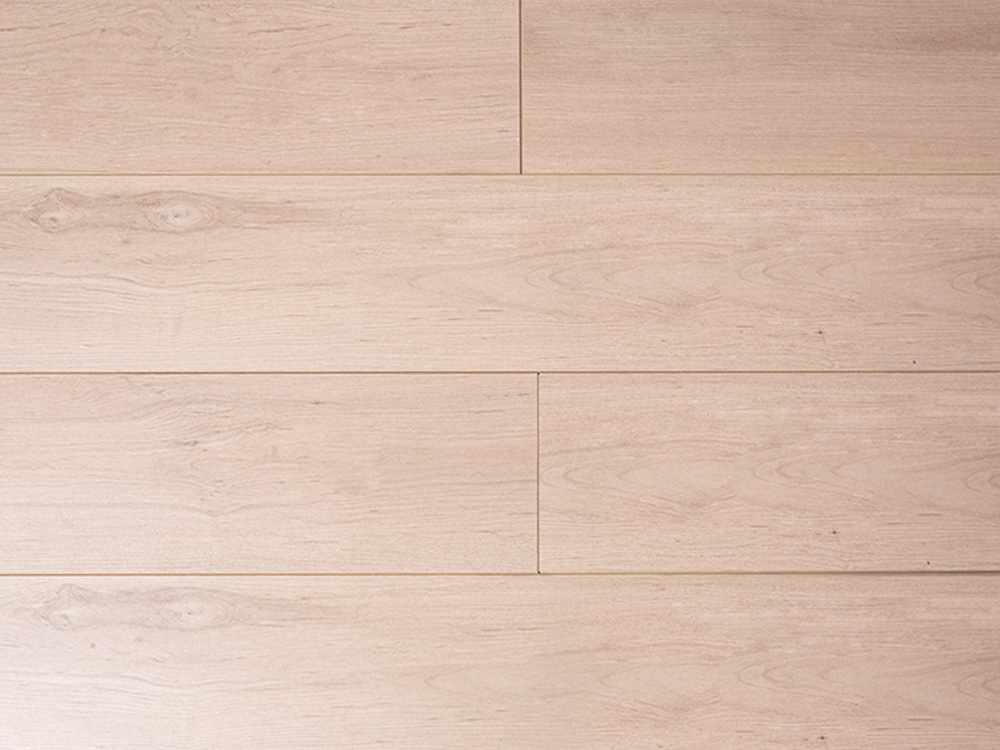
Painting composite wood buys a fresh look, but it also puts the material back on a maintenance schedule it was originally chosen to avoid. A painted finish fades and chips on roughly the same timeline the factory finish did, which means most uncapped boards land on a repaint cycle every two to four years once color starts to matter.
| Factor | Repainted Uncapped Board | Factory-Finished Composite |
|---|---|---|
| Recoating frequency | Every 2–4 years | Not required |
| Annual upkeep | Cleaning plus periodic priming and painting | Soap and water rinse or wipe-down |
| Color consistency | Fades between repaint cycles | UV-stable cap or veneer holds color |
| Labor over 10 years | 3–4 full repaint cycles | Routine cleaning only |
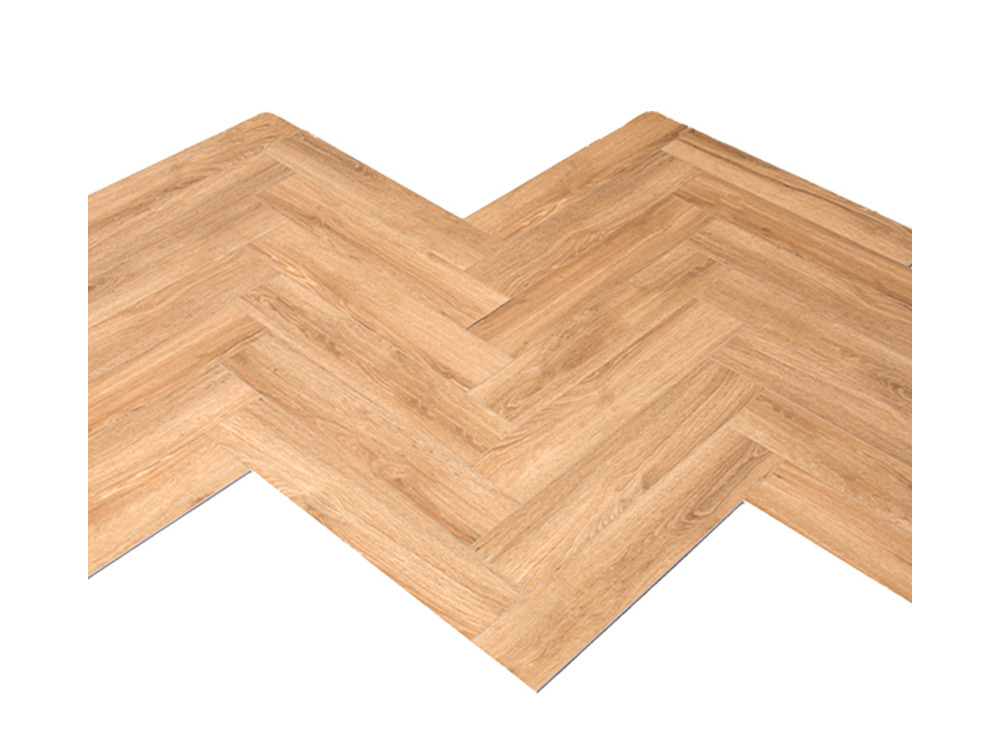
That comparison is worth running before committing to paint on anything more than a small trim piece. Products like real wood veneer WPC flooring that skips the paint question entirely deliver the grain and warmth people usually reach for a paintbrush to fake, without adding a repaint cycle to the calendar.
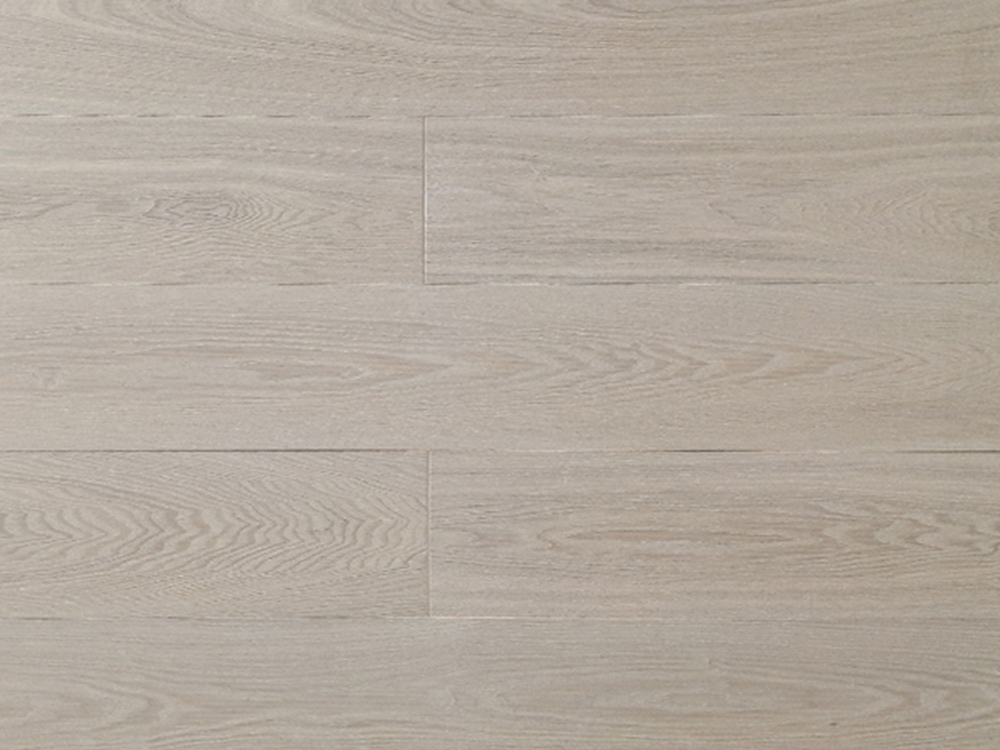
Indoors, painting composite wood is rarely the right call in the first place. Flooring, wall panels, and trim take far more daily wear than a deck rail, and a painted finish in these settings chips faster under foot traffic and furniture movement. For rooms where the goal is a wood look without ongoing upkeep, veneer-finished SPC flooring with a factory-sealed surface and prefinished eco wood MGO boards both arrive with the finish already cured under factory conditions, which tends to hold up better than anything applied on site.
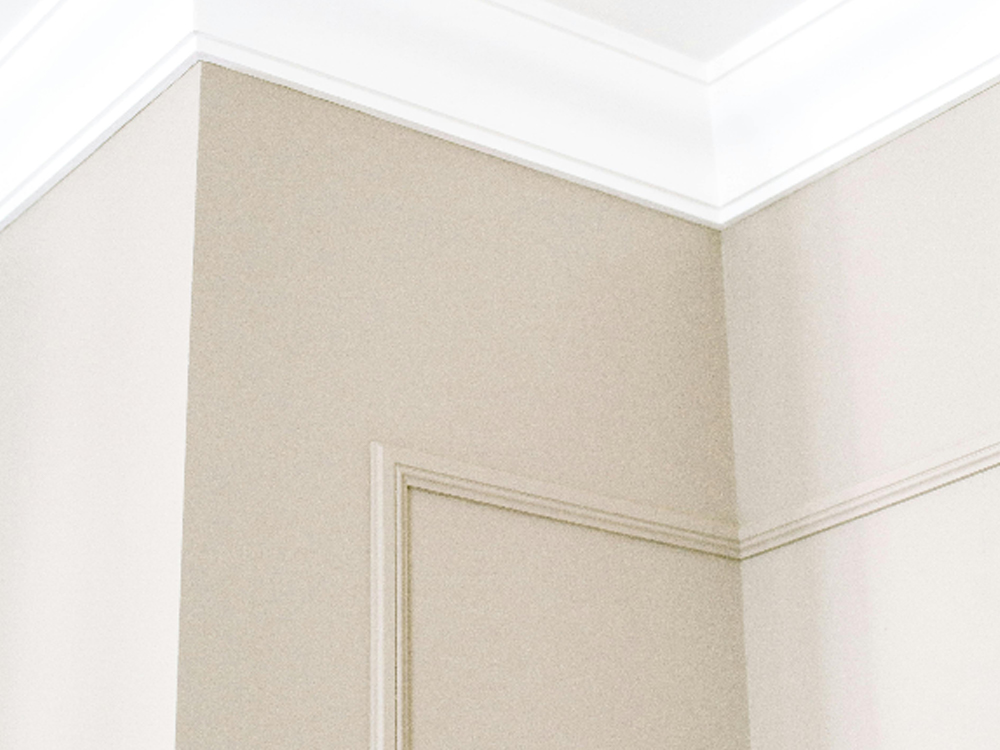
The same applies to trim and transitions. Rather than repainting worn skirting every couple of years, many renovation projects now swap in decorative skirting board profiles that come color-matched and sealed from the factory. For larger wall areas, fast-installation wall panels that come pre-finished remove the paint question from the project entirely while still going up faster than a traditional paint-and-trim job.
The bottom line for anyone standing in front of a piece of composite wood with a paintbrush in hand: check the cut edge first. If the core is exposed, paint can work with the right primer and patience. If it's capped, veneered, or pre-finished, that surface was engineered to be the last one it ever needs — and reaching for a replacement product built the same way usually costs less time over the next decade than reaching for a roller.


 皖公网安备34182102000331号
 Indoor Plastic Wood Flooring Manufacturers

 English
 Español
 Deutsch