

AngL0306@outlook.com
Content
A composite deck rarely fails all at once. Instead, the color flattens a shade or two every summer, foot traffic polishes a path down the middle of the boards, and the railing posts hold their color while the open sun-facing planks fade faster. Five or six seasons in, the deck still functions perfectly well structurally, but it no longer looks like the photo that sold you on it.
That gap between "still works" and "still looks good" is exactly when painting enters the conversation. It's a reasonable instinct — a fresh coat is cheap compared to tearing out boards. But composite decking isn't drywall, and whether paint will actually stay on the surface depends entirely on how the board was built in the first place. Manufacturers now produce wood-plastic composite flooring engineered for indoor and outdoor exposure, and the construction of that board — not the color you're starting with — is what decides whether a paint job will hold past one season.
Composite deck boards fall into one of two structural categories, and the dividing line is whether the wood-plastic core is wrapped in a separate polymer shell. Boards manufactured before roughly 2010 are typically uncapped: the wood fiber and plastic blend is exposed straight to the weather, which means it absorbs moisture and, usefully for this purpose, also absorbs paint. Boards made since then are almost always capped — a polymer layer is fused onto the core during manufacturing through a process called co-extrusion, sealing the surface completely. Paint has nothing porous to grip on a capped board, so it sits on top, flakes within a season, and frequently voids the manufacturer's warranty in the process.
The test is simple and takes thirty seconds. Look at a cut end of one of your deck boards — at a stair edge or where a board meets a wall is usually easiest to access. If the material is the same color and texture all the way through, it's uncapped and a candidate for paint. If you can see a distinct outer layer, often a slightly different shade or sheen, wrapped around a core, that's the cap, and no amount of surface prep will get paint to bond reliably to it.
This structural distinction is formalized in ASTM's performance rating standard for wood-plastic composite deck boards, which evaluates moisture resistance and surface durability differently depending on whether a board is capped. Swanflor applies the same co-extrusion principle in its co-extruded WPC flooring with a fused polymer wear layer, where the cap is bonded in the same production pass as the core rather than added afterward — the construction detail that determines whether a board can ever accept paint again. For a deeper look at how this technology compares to older uncapped boards, our guide to capped composite decking technology breaks down the full performance gap.
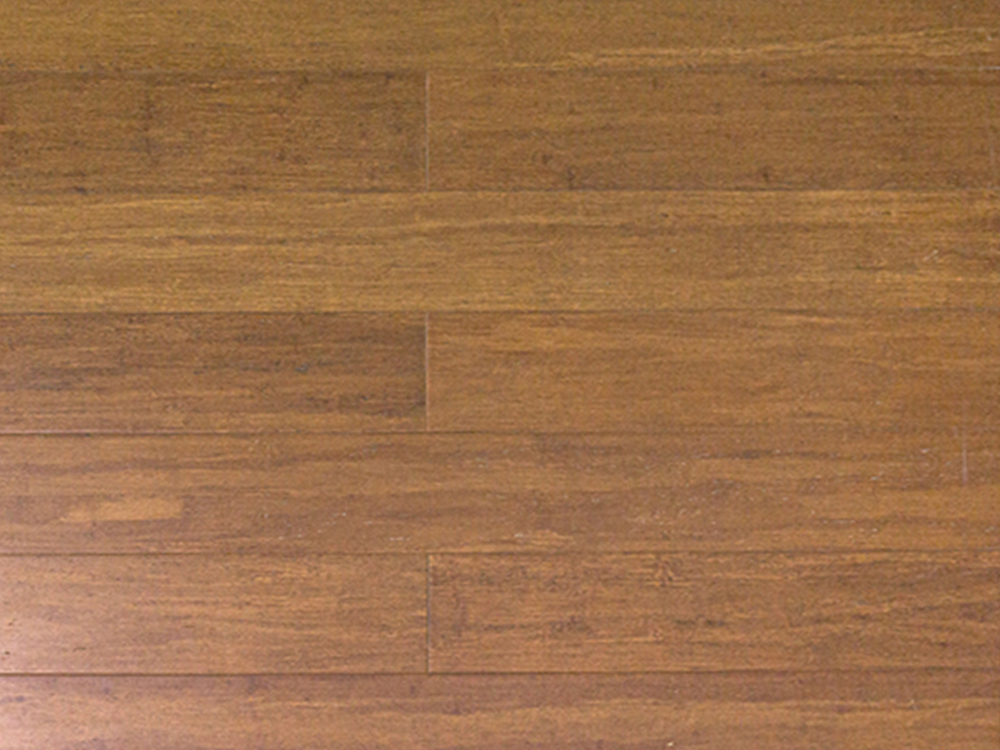
Once you've confirmed your deck is uncapped, the prep work matters more than the paint itself. Clear the deck of furniture and planters, then sweep away loose debris before washing. Use warm water with a mild dish soap and a stiff-bristle (not wire) brush, working along the grain of each board. Avoid a pressure washer entirely on uncapped composite — the exposed wood fibers are softer than a capped surface, and high-pressure water can gouge the material or drive moisture deep into the core.
Mold, mildew, or grease stains need a dedicated composite deck cleaner rather than bleach or an all-purpose degreaser, both of which can discolor the board permanently. Rinse thoroughly and give the deck time to dry — this is the step people skip, and it's the one that causes the most paint failures. A quick visual check isn't enough, because uncapped composite can hold surface moisture invisibly. Tape a one-foot square of clear plastic sheeting to a representative section of decking and leave it for a few hours; if there's no condensation underneath when you check, the boards are dry enough to paint.
With the deck clean and confirmed dry, the actual painting follows a sequence that's closer to painting siding than painting wood.
Materials needed:
A painted composite deck isn't a one-time project. Sun exposure, foot traffic, and seasonal moisture mean the new coat will fade and chip on roughly the same timeline the original finish did, so most uncapped decks end up on a repaint cycle every two to four years. That's worth weighing against what a newer-generation capped board offers from the start.
| Factor | Repainted Uncapped Deck | Capped Composite Board |
|---|---|---|
| Recoating frequency | Every 2–4 years | Not required |
| Annual upkeep | Cleaning plus periodic priming and painting | Soap and water rinse |
| Color fade over time | Recurring, follows original fade pattern | UV inhibitors built into the cap layer |
| Labor over 10 years | 3–4 full repaint cycles | Routine cleaning only |
None of this means painting is the wrong call for a deck that's structurally sound and otherwise serving you well — it's a legitimate way to extend the life of an older board without full replacement. But if you're already at the point of comparing the labor of a repaint cycle against starting fresh, it's worth looking at what's changed in board construction since your current decking was installed. Swanflor's capped E-WPC flooring line built on co-extrusion technology is designed around exactly the maintenance gap this table illustrates.
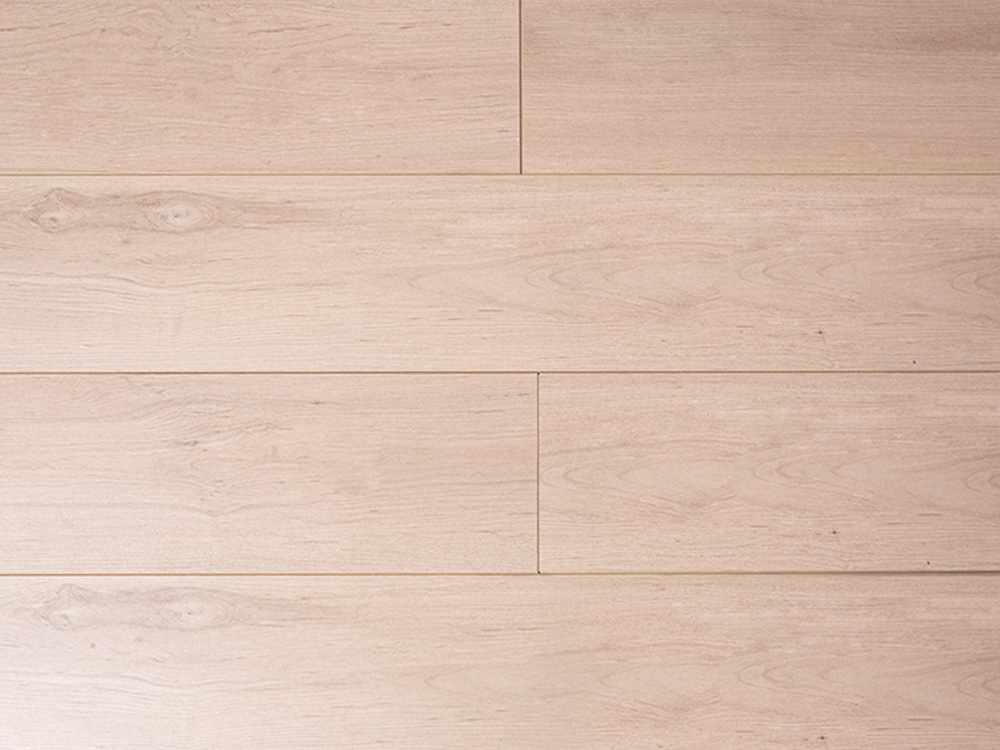
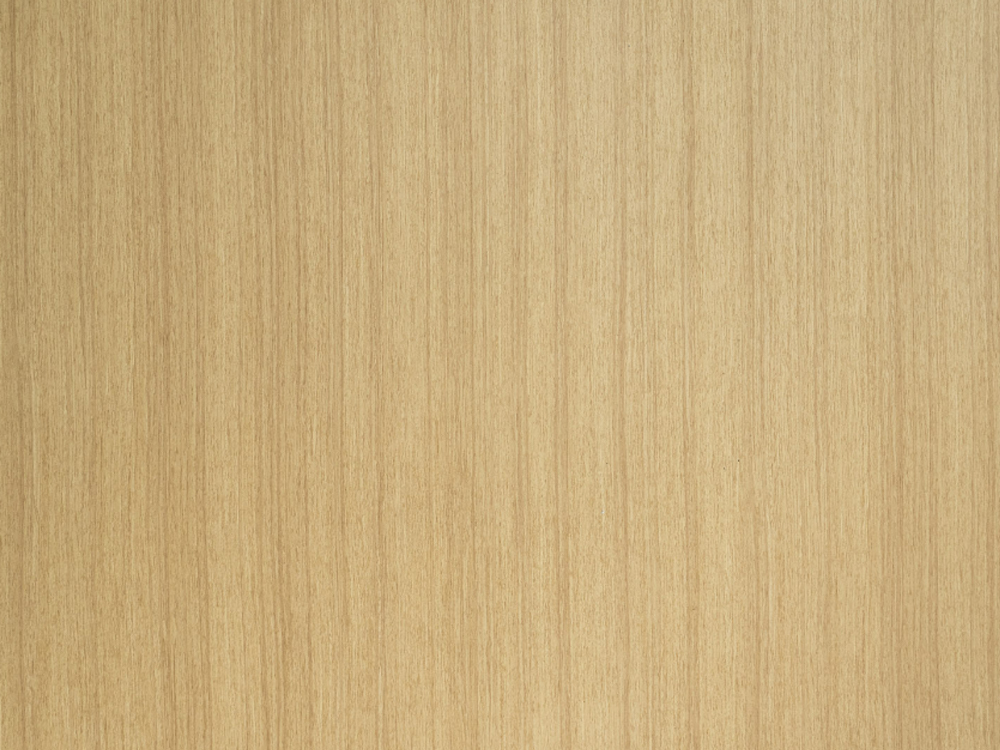
If repainting on a recurring cycle isn't appealing, the alternative isn't limited to plain capped boards in a handful of stock colors. Wood-grain texturing has advanced enough that solid wood veneer WPC flooring reproduces the depth and grain variation of real timber on top of a fully sealed composite core, giving you the look that originally made painting an old deck tempting, without the upkeep that comes with achieving it through paint.
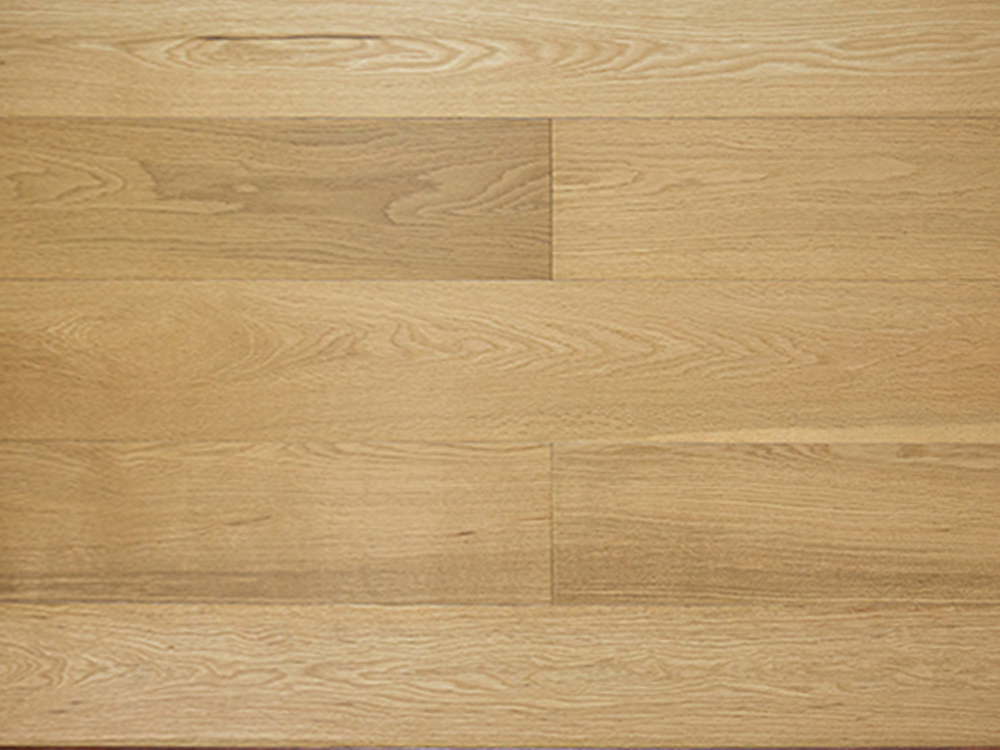
For a natural oak finish specifically, the oak veneer WPC decking option pairs that authentic wood-grain texture with the UV-resistant cap that keeps color from drifting in the first place. The decision ultimately comes down to timeline: paint buys a season or two of refreshed appearance on a board you already own, while a capped composite upgrade removes the refinishing question from your calendar for the long run.


 皖公网安备34182102000331号
 Indoor Plastic Wood Flooring Manufacturers

 English
 Español
 Deutsch