

AngL0306@outlook.com
Content
Mix ground wood fiber into melted plastic at the right ratio, and the result behaves like neither material on its own. That blend is the core engineering principle behind WPC — wood-plastic composite — and it explains why the material has become a default choice for flooring that needs to look like wood but perform like plastic.
A typical WPC formulation runs somewhere between 50% and 70% wood fiber or wood flour by weight, with the remainder made up of thermoplastic resin — usually PVC, polyethylene, or polypropylene — plus a small percentage of functional additives. Those additives do specific jobs: coupling agents help the hydrophilic wood fiber bond properly with the hydrophobic plastic matrix, UV stabilizers slow color fade from sunlight exposure, and lubricants keep the mixture flowing smoothly through production equipment.
The exact ratio matters more than it might seem. A higher wood content gives a more natural look and feel but reduces water resistance, since wood fiber absorbs moisture even when it's locked inside a plastic matrix. A higher plastic content pushes the other direction — better waterproofing, but a surface that can start to feel and look less like real wood. Our WPC flooring collection built on this composite material balances both sides of that trade-off across different product tiers.
Extrusion is the manufacturing process behind most WPC products on the market today. Wood fiber and plastic resin are combined and melted under heat, then pushed through a die that shapes the material into the final profile — a flooring plank, a decking board, a wall panel section. The mixture exits the die already formed and is cooled quickly to lock that shape in place.
One detail that surprises people new to the material: WPC is typically processed at temperatures roughly 15-20°C lower than unfilled plastic of the same type, because the wood content can't tolerate the same heat without scorching or discoloring. Getting this temperature window right is one of the main quality differentiators between manufacturers — push it too hot and the wood fiber burns, creating dark streaks and a weaker bond; keep it too cool and the plastic doesn't flow evenly through the die.
Some factories run a two-step process, first compounding the raw wood fiber and resin into uniform pellets, then re-melting those pellets for the actual extrusion run. Others combine mixing and extrusion into a single continuous step. Both approaches can produce good material; the pelletizing route generally gives more consistent batch-to-batch quality, which matters more for large commercial orders than for small custom runs.
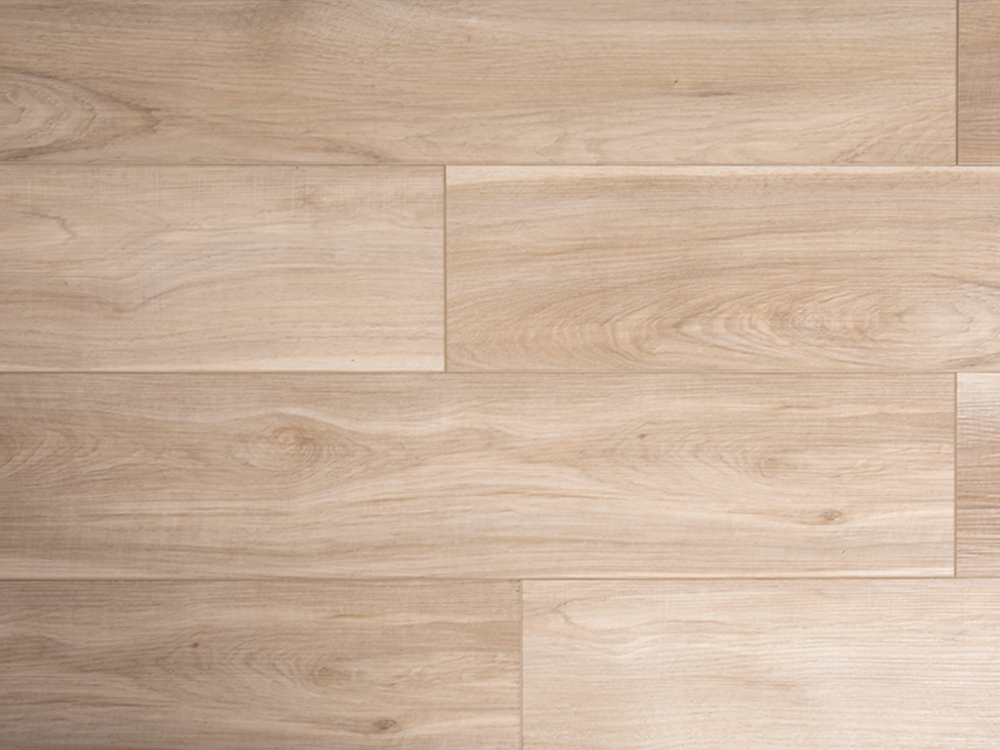
The properties that matter most for flooring buyers come down to how the material handles moisture, wear, heat, and structural stress over years of use — not just how it looks on day one.
Moisture behavior is the property most often misunderstood. WPC doesn't rot or swell the way solid wood does, because the plastic matrix encapsulates the wood fiber and slows water absorption dramatically. But "slows" isn't "eliminates" — wood fiber inside the composite still absorbs some moisture over long exposure, which is why quality control around the wood-to-plastic ratio and coupling agent dosage directly affects how a product performs in genuinely wet environments like bathrooms.
| Property | WPC Material | Solid Wood |
|---|---|---|
| Moisture Resistance | High (plastic matrix limits absorption) | Low (swells, warps, rots) |
| Dimensional Stability | High across humidity changes | Moderate, shifts with seasons |
| Strength/Stiffness | Lower than solid wood | Higher per unit weight |
| Fire Behavior | Higher fire hazard due to plastic content | Lower heat content, chars rather than melts |
| Maintenance | Low — no refinishing needed | Higher — sanding, sealing, refinishing |
That fire-behavior line in the table deserves a quick note, since it's the one property where WPC genuinely underperforms wood. Because the plastic component carries a higher chemical heat content than wood alone, WPC formulations can contribute more fuel in a fire scenario than the wood content alone would, according to technical documentation on wood-plastic composite materials. Reputable manufacturers offset this with fire-retardant additives and surface coatings, which is worth confirming on any product specification sheet before a commercial order.
WPC isn't the only rigid composite flooring material on the market, and the comparison that comes up most often is against SPC — stone polymer composite, built around a core of limestone powder and PVC rather than wood fiber and resin.
The practical difference comes down to density and comfort. SPC's mineral-heavy core is denser and more rigid, which gives it excellent thermal stability — it barely expands or contracts across temperature swings, making it a strong choice for spaces with extreme seasonal variation or large open commercial floors. WPC's wood-fiber core is comparatively lighter and slightly more flexible, which translates into a softer feel underfoot and better acoustic damping, since the wood fiber absorbs impact sound that a denser mineral core simply transmits.
Neither material is universally "better" — they're optimized for different priorities. A project chasing maximum comfort in a living room or bedroom generally leans toward WPC; a large commercial space with significant temperature fluctuation often does better with the dimensional stability SPC provides. Our SPC flooring range with a denser mineral-based core covers that second use case for buyers weighing both options side by side.
Understanding what's actually inside a WPC product changes how you read a spec sheet. A higher wood-fiber ratio with quality coupling agents and UV stabilizers points to a product built for genuine longevity, not just an attractive sample board. Asking a supplier about their specific formulation — not just calling it "WPC" — is a reasonable question, and a manufacturer that can answer it in detail is generally one that controls their material quality closely.
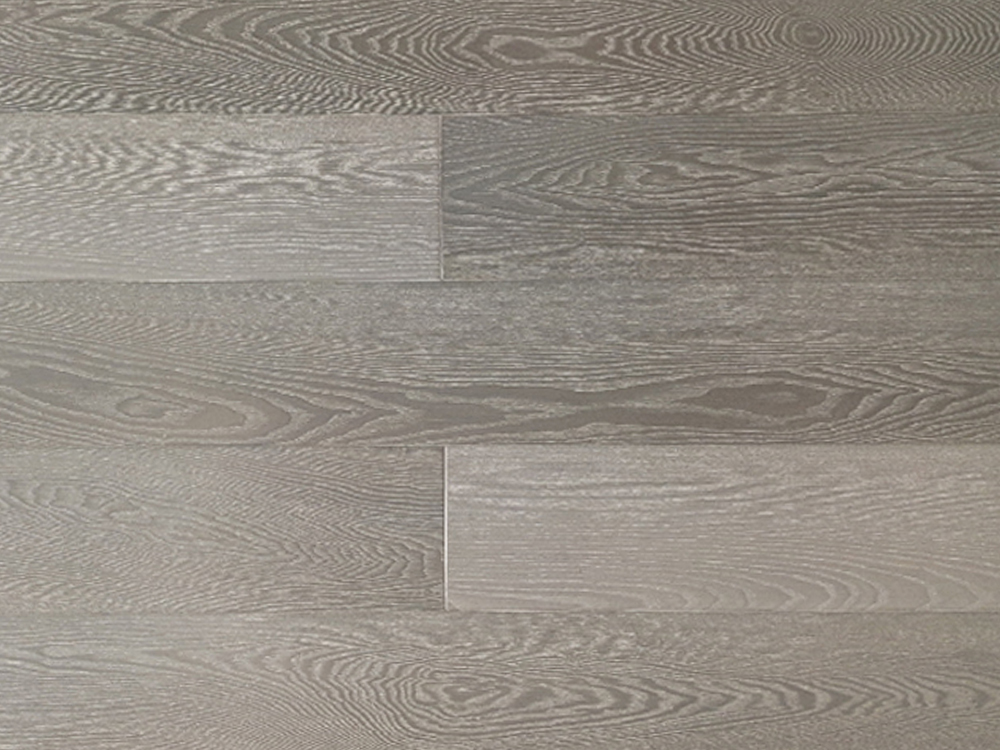
For buyers who want the authentic look of real wood without sacrificing the material's core performance advantages, products like our oak veneer WPC flooring with a genuine wood surface layer bond a real hardwood veneer onto the composite core, combining authentic grain with the moisture resistance the WPC core provides underneath.
Once the material itself makes sense, the remaining decisions — layer structure, installation method, and long-term care — are covered in detail in our complete guide to WPC flooring types, structure, and installation, which picks up exactly where the material science leaves off.


 皖公网安备34182102000331号
 Indoor Plastic Wood Flooring Manufacturers

 English
 Español
 Deutsch