

AngL0306@outlook.com
Content
ABA structured classic WPC flooring represents a significant evolution in rigid core vinyl technology, offering enhanced dimensional stability and durability compared to standard homogeneous cores. The "ABA" designation refers to the three-layer co-extrusion process: two outer layers of high-density wood-plastic composite sandwiching a central core layer. This symmetrical structure counteracts internal stresses, preventing the warping, cupping, or expansion that often plagues single-layer flooring materials.
The primary advantage of this configuration is its ability to withstand extreme temperature fluctuations and humidity changes without compromising integrity. In independent testing, ABA structured WPC has demonstrated up to 40% less thermal expansion than traditional SPC (Stone Plastic Composite) or homogeneous WPC boards. This makes it an ideal choice for large open-plan areas, sunrooms, or regions with distinct seasonal weather patterns where floor stability is paramount.
Understanding the material composition of ABA structured WPC helps explain its performance characteristics. Each layer serves a specific function, contributing to the overall resilience and aesthetic appeal of the flooring.
The outer 'A' layers are typically formulated with a higher density of wood flour and polymer resins, creating a hard, impact-resistant shell. These layers provide the necessary rigidity for the click-lock installation system and protect the core from moisture ingress. They also serve as the base for the decorative vinyl film and wear layer, ensuring a smooth, flat surface that accurately replicates the look of natural wood.
The central 'B' layer is engineered for flexibility and sound absorption. It often contains a slightly different ratio of foaming agents or recycled materials, making it lighter and more resilient. This core acts as a shock absorber, reducing noise transmission and providing a more comfortable underfoot feel. The synergy between the rigid outer layers and the flexible core creates a balanced panel that is both strong and forgiving.
| Feature | Homogeneous WPC | ABA Structured WPC | SPC (Stone Core) |
|---|---|---|---|
| Dimensional Stability | Moderate | High | Very High |
| Underfoot Comfort | Good | Excellent | Hard/Cold |
| Weight | Heavy | Medium | Very Heavy |
| Moisture Resistance | 100% Waterproof | 100% Waterproof | 100% Waterproof |
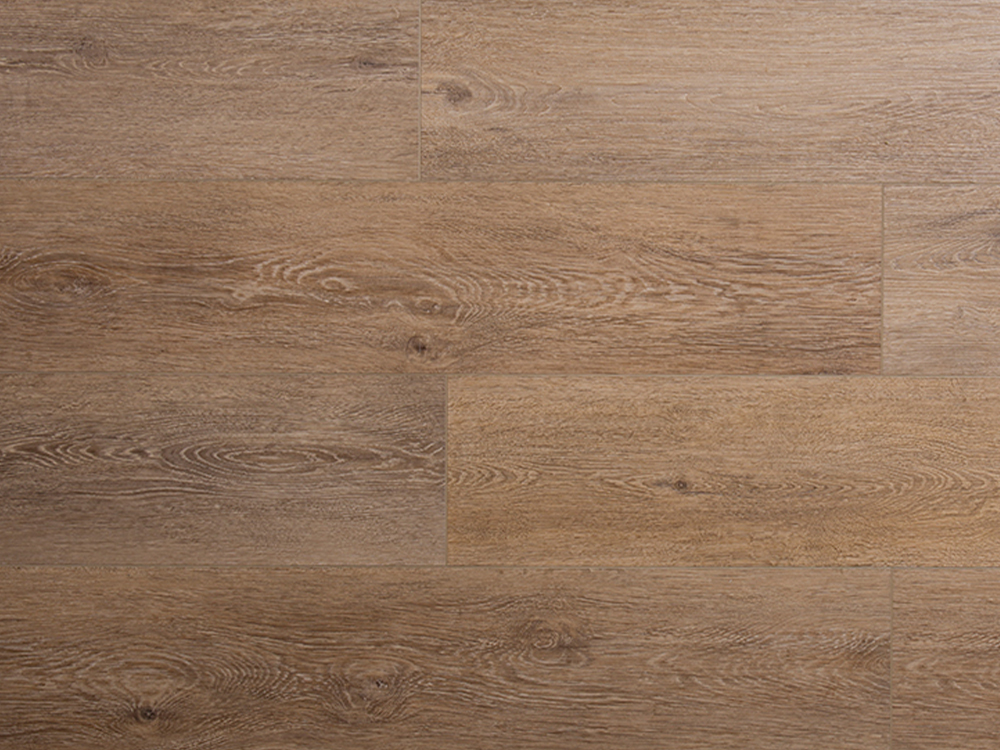
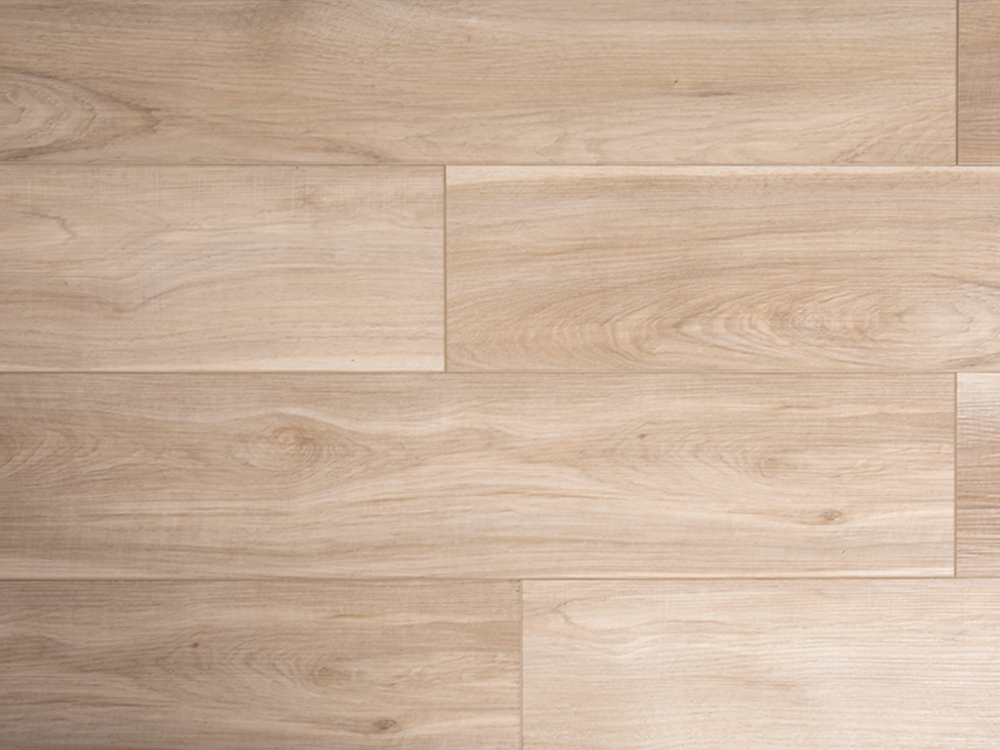
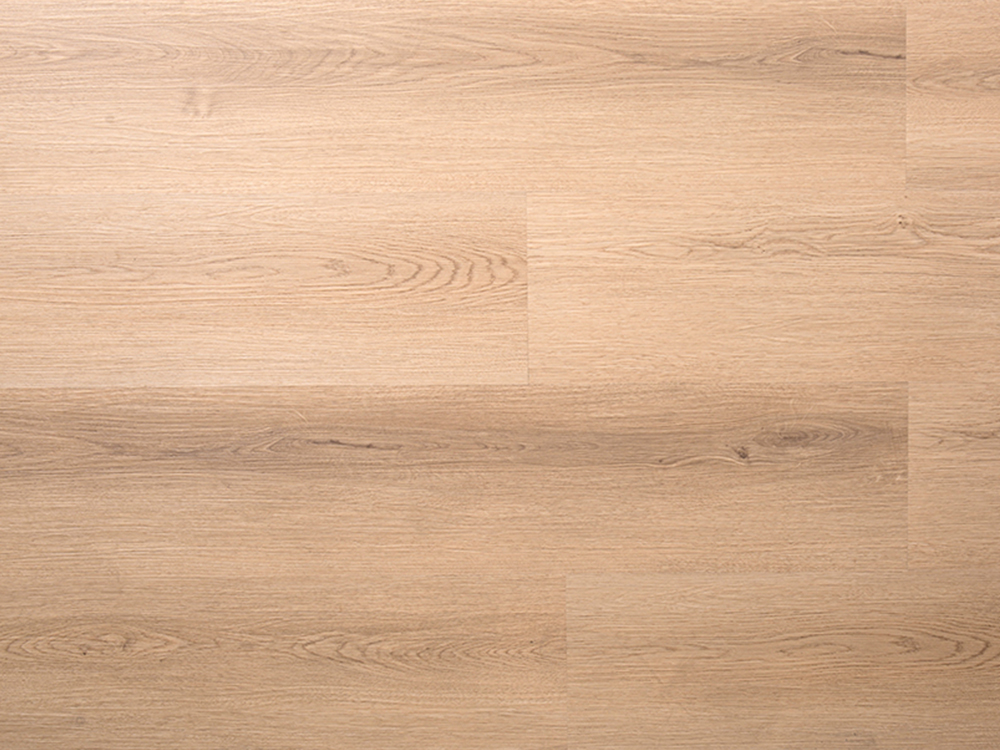
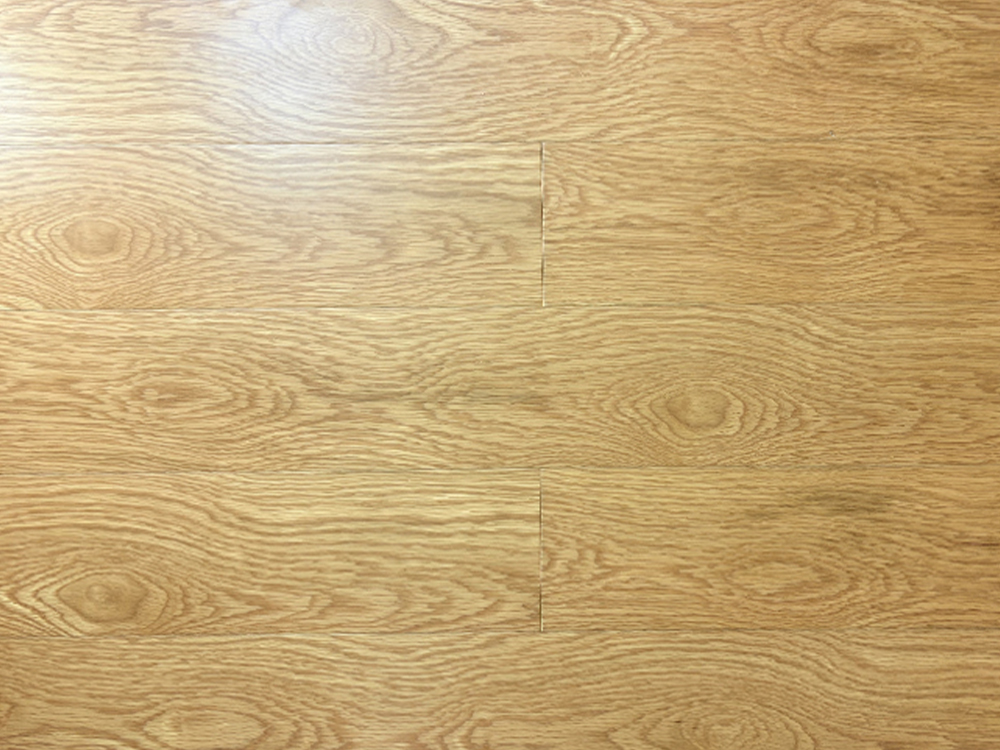
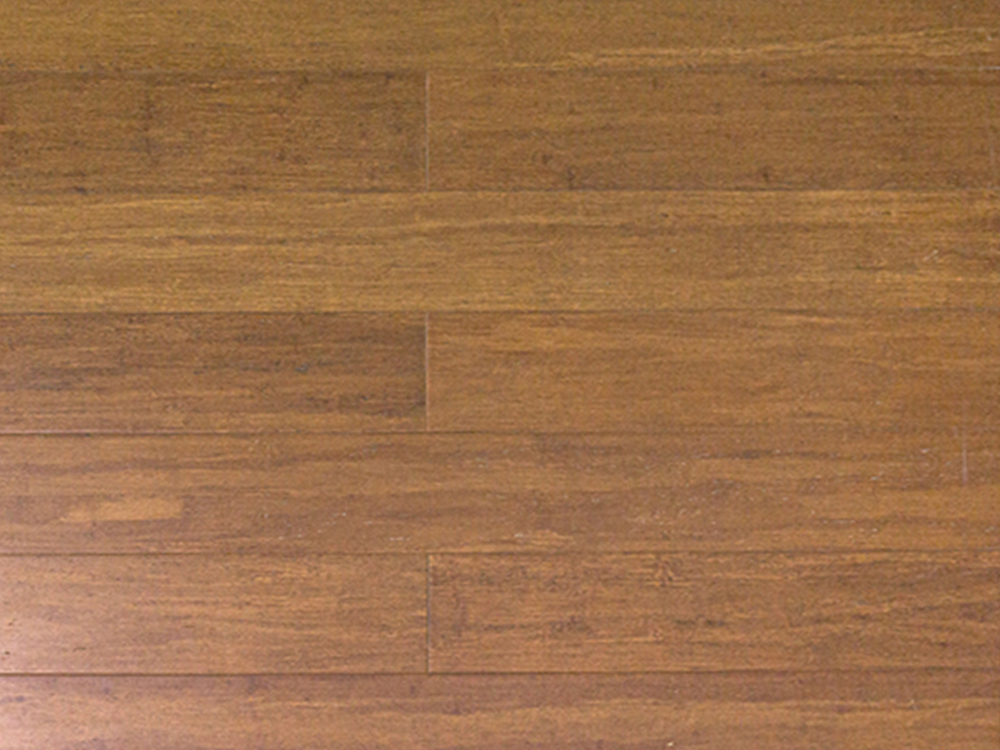
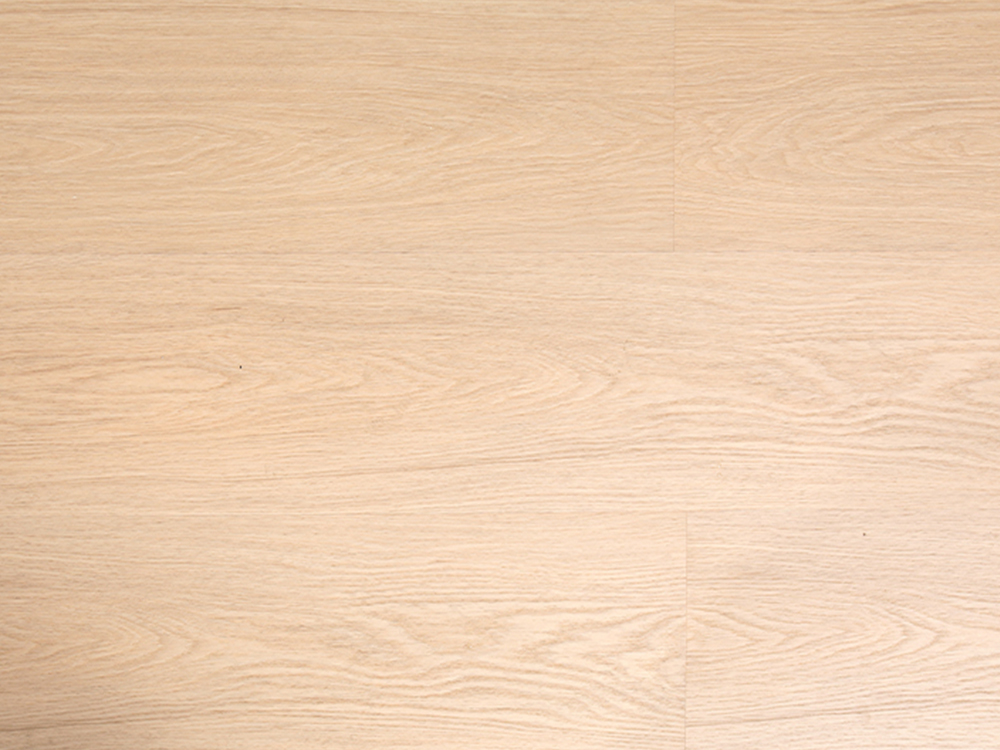
While the structural integrity of ABA WPC is impressive, its visual appeal is what draws many homeowners and designers. The "Classic" designation usually refers to timeless wood grains, such as oak, walnut, and hickory, rendered with high-definition printing technology.
High-quality ABA structured WPC flooring often features embossed-in-register (EIR) textures. This means the physical texture of the board aligns perfectly with the printed wood grain image, creating a realistic tactile experience. You can feel the knots, saw marks, and grain depth, which eliminates the plastic-like feel associated with cheaper vinyl products. This attention to detail allows WPC to mimic the warmth and character of solid hardwood without the maintenance requirements.
Classic designs typically come in matte or low-gloss finishes, which are not only more authentic to natural wood but also better at hiding footprints and minor scratches. The color palette ranges from light, Scandinavian-inspired blondes to rich, dark espresso tones. Because the decorative layer is protected by a durable wear layer, these colors resist fading from UV exposure, ensuring the floor looks new for years.
One of the most compelling reasons to choose ABA structured classic WPC flooring is its ease of installation and low maintenance. The rigid core allows for a floating floor installation method, which is faster and less messy than glue-down alternatives.
Most ABA WPC planks feature a precision-milled click-lock mechanism that snaps together securely without adhesive. This system accommodates the natural expansion and contraction of the material while maintaining a tight seam that prevents water penetration. For DIY enthusiasts, this means a typical room can be installed in a single day. The rigid nature of the ABA structure also allows it to bridge minor subfloor irregularities, reducing the need for extensive leveling preparation.
The top wear layer of WPC flooring is typically rated using the AC (Abrasion Class) scale. Residential grades usually start at AC3, while commercial-grade options reach AC4 or AC5. This layer protects against scratches, stains, and wear from foot traffic. Cleaning is straightforward: regular sweeping and occasional damp mopping with a pH-neutral cleaner are sufficient. Unlike real wood, WPC will not swell, warp, or rot when exposed to water, making it suitable for kitchens, bathrooms, and basements.
In conclusion, ABA structured classic WPC flooring offers a perfect balance of aesthetic beauty, structural stability, and practical performance. Its innovative three-layer design solves many of the issues associated with traditional vinyl and laminate flooring, providing a durable, waterproof, and visually appealing solution for modern homes. Whether you are renovating a high-traffic living area or updating a moisture-prone basement, ABA WPC delivers long-term value and timeless style.


 皖公网安备34182102000331号
 Indoor Plastic Wood Flooring Manufacturers

 English
 Español
 Deutsch