

AngL0306@outlook.com
WPC wood flooring sits between solid wood and stone-based rigid-core flooring in both feel and price. It uses a wood-plastic composite core that resists moisture better than engineered wood, feels warmer underfoot than SPC, and costs less than solid timber. The trade-off is that quality varies sharply between suppliers, which is why the specifications behind the plank matter more than the marketing name.
Content
Wood-plastic composite (WPC) is a material made from wood fiber or wood flour mixed with thermoplastics such as polyethylene, polypropylene, or PVC. In flooring, WPC wood refers to a plank whose composite core is sandwiched between a printed or veneered top layer and a balancing layer underneath. The wood content gives the core some of the warmth and texture of timber, while the plastic content makes it waterproof.
The useful distinction for buyers is how WPC differs from other rigid-core products. Laminate uses a high-density fiberboard core that swells when wet. SPC uses stone powder in the core, which makes it dense and hard. WPC uses a foamed wood-plastic blend, so the plank is lighter, quieter, and more forgiving underfoot. Each construction has its place, but WPC is the one that mimics the walking comfort of real wood most closely.
The core determines almost everything about performance. A classic WPC core is a foamed composite whose cellular structure provides thickness, thermal insulation, and a slight cushioning effect. Core density is the first number to check on a technical sheet: quality WPC cores typically sit in the 0.55-0.75 g/cm3 range, while cheaper boards drop below that and become prone to indentation and edge damage.
For projects with higher point loads, co-extrusion adds a dense outer shell around the foamed inner core. Co-extruded WPC flooring keeps the soft, warm feel of WPC while giving the edges and locking profile extra resistance to impact, which makes it a practical choice for rental properties and light commercial spaces.
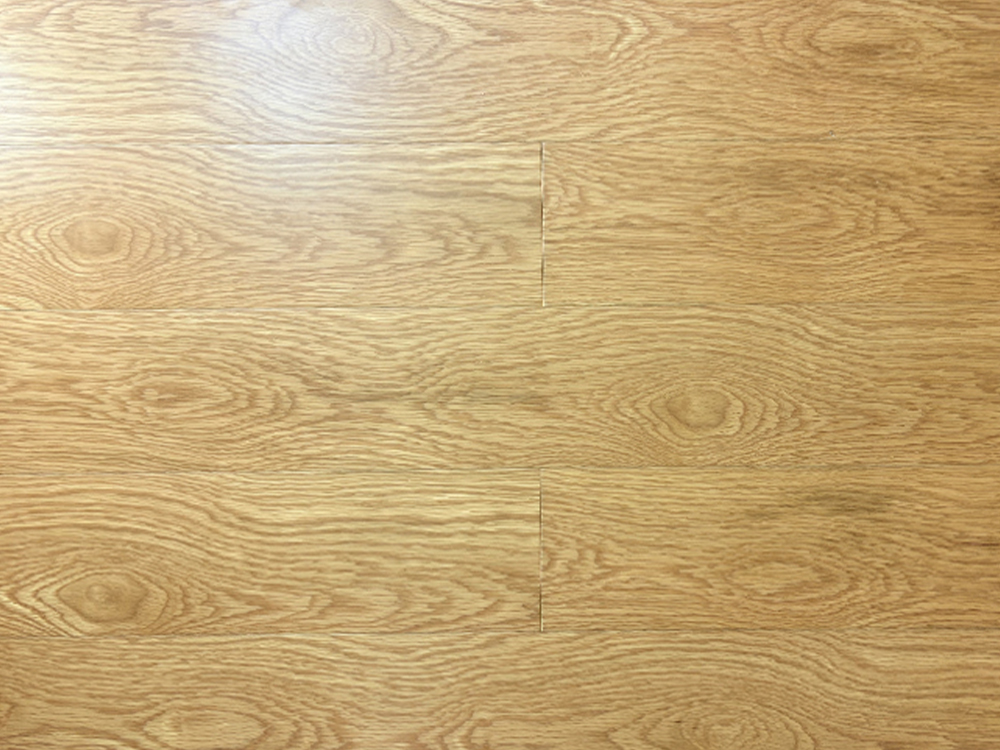
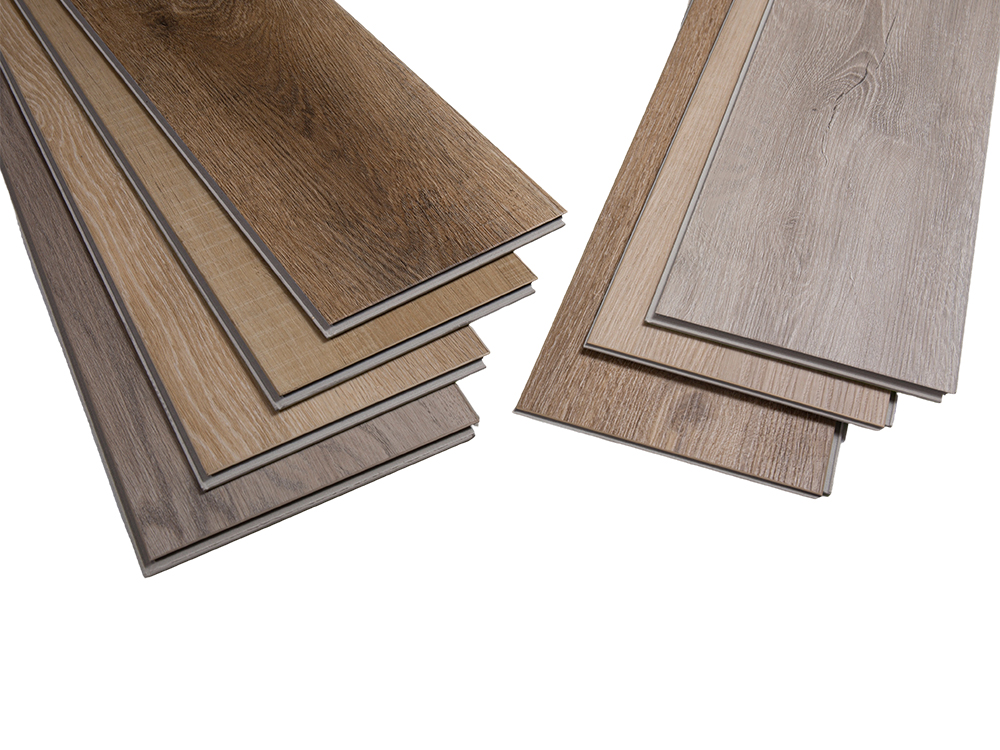 Co-extruded WPC flooring Manufacturers, Factory - Anhui Hanhua Building MaterialChina Co-extruded WPC flooring Manufacturers and Co-extruded WPC flooring Factory, Swanflor Co-extruded WPC flooring Custom, E-WPC Flexib...View Product →
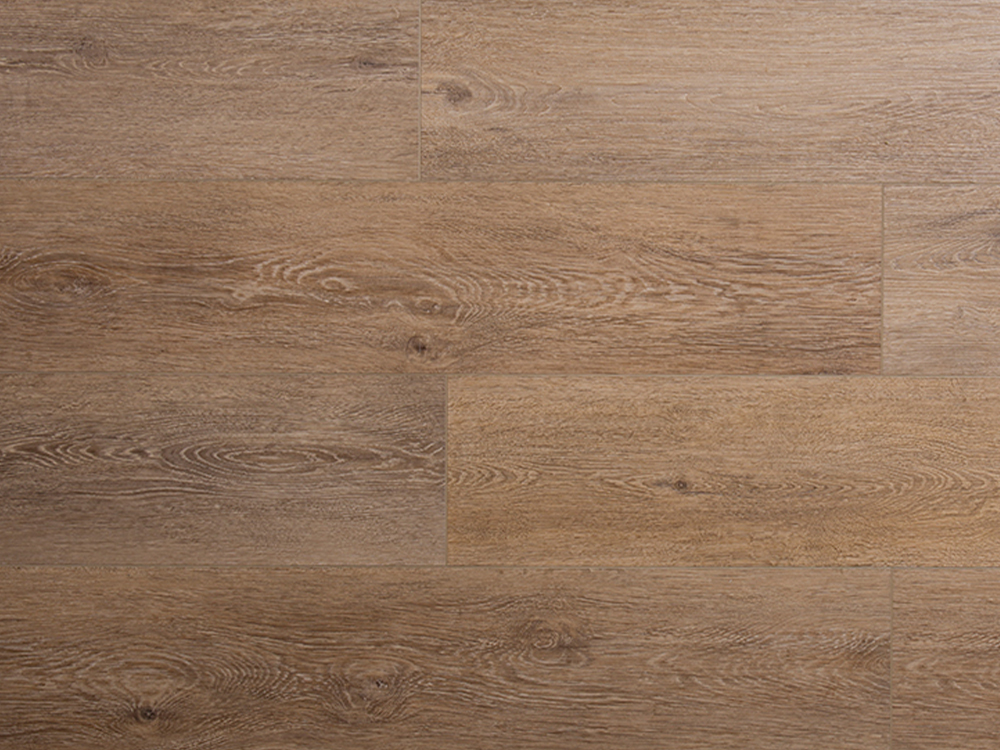
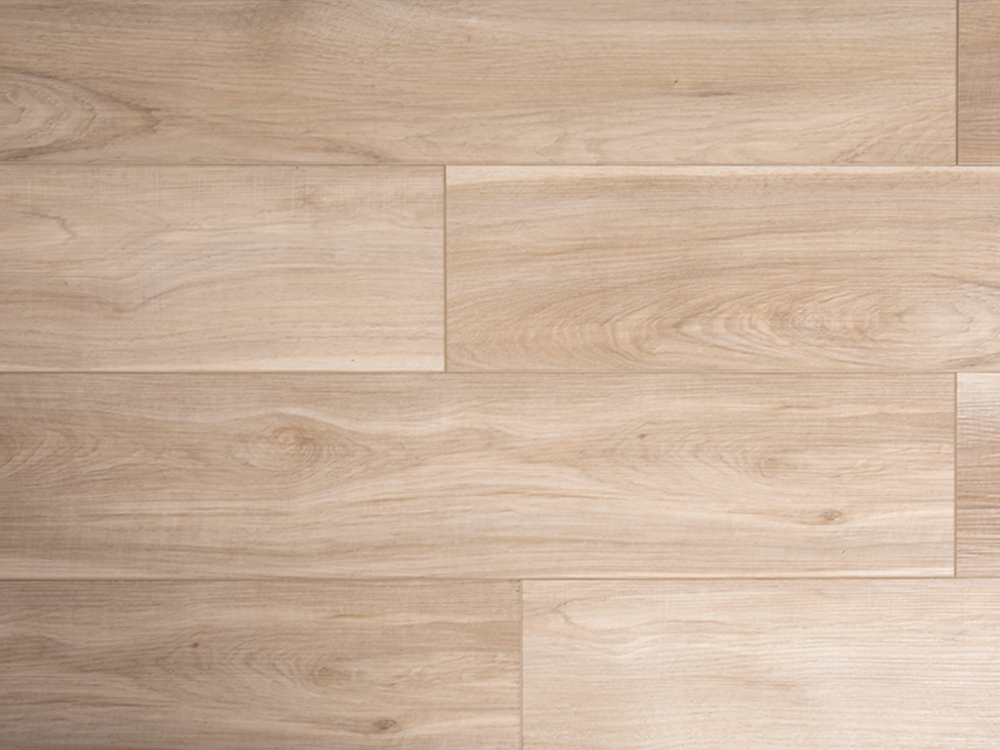
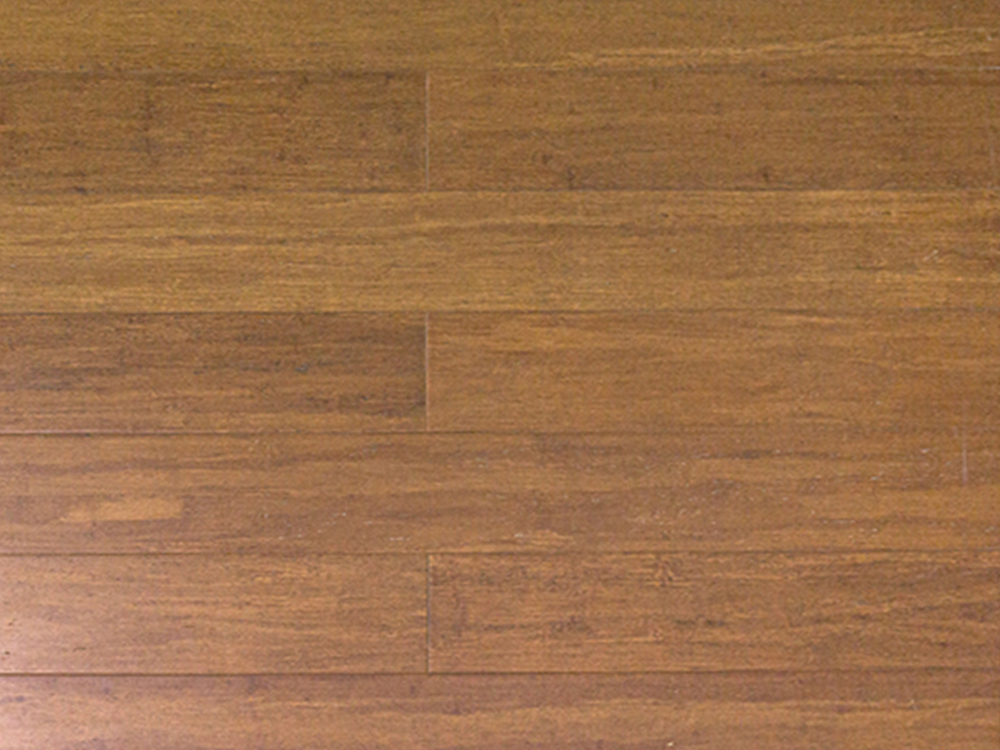
The visible surface is a printed PVC film protected by a transparent wear layer. Wear-layer thickness is measured in mil, and it directly controls how long the floor keeps its look. A 20-mil wear layer suits busy residential areas; 28-mil or thicker is the safer call for commercial installations. The print film can imitate oak, walnut, teak, or a custom design of your own.
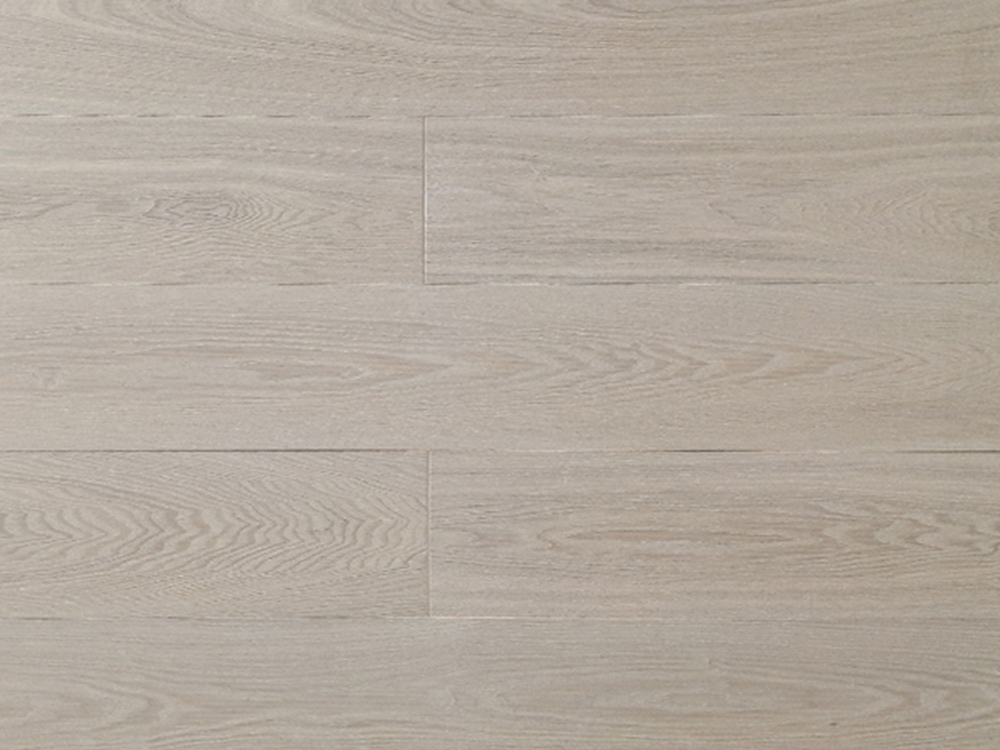
Some lines go one step further and place a genuine wood surface over the composite core. Oak veneer WPC flooring gives a project a real timber top layer while keeping the waterproof core underneath, which suits homeowners who want authentic grain without the maintenance of solid wood.
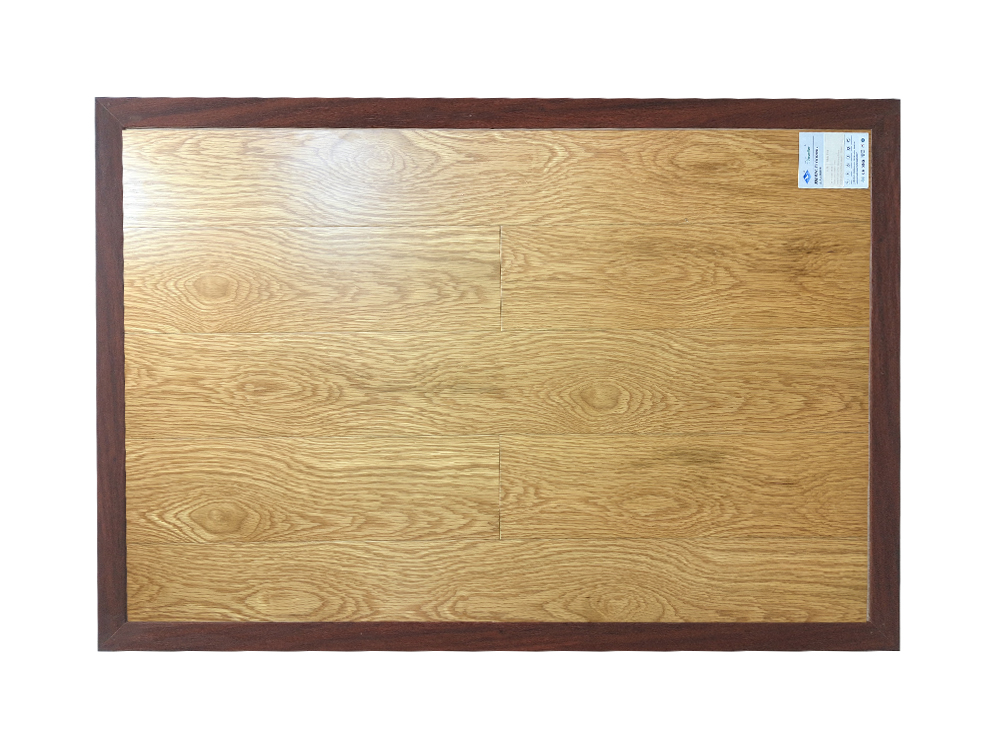 Oak Veneer WPC Flooring Manufacturers, Factory - Anhui Hanhua Building MaterialsChina Oak Veneer WPC Flooring Manufacturers and Oak Veneer WPC Flooring Factory, Swanflor Oak Veneer WPC Flooring Custom, Oak Veneer Soli...View Product →
A plank bows when the tension from the top layer is not matched on the underside. In an ABA structure - surface layer, core, balancing layer - the bottom layer offsets that tension and keeps the plank flat over time. WPC ABA structured flooring with a customized PVC balancing layer allows you to specify the underside thickness during production, which gives installation crews more forgiveness on subfloors that are not perfectly level.
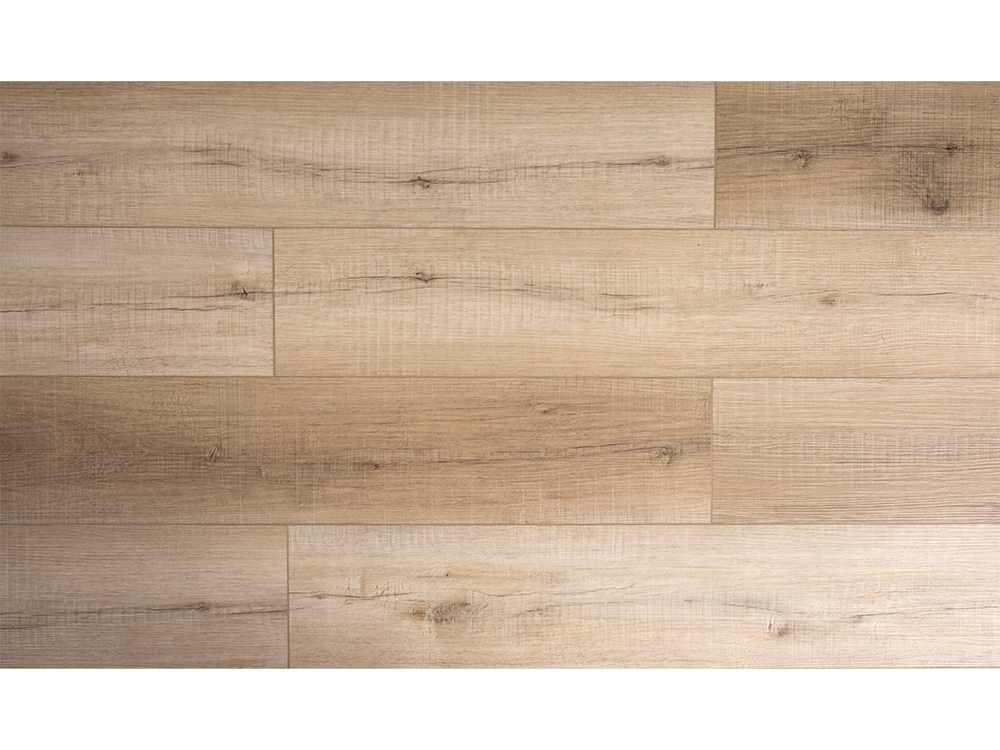 WPC ABA Structured Flooring with Customized PVC Balancing Layer Manufacturers, FChina WPC ABA Structured Flooring with Customized PVC Balancing Layer Manufacturers and WPC ABA Structured Flooring with Customized PVC B...View Product →
The click profile deserves equal attention. A properly machined locking system holds planks tight during expansion and contraction, while a poorly cut profile opens visible gaps after a few seasons. Both the balancing layer and the locking mechanism belong on your inspection checklist before production begins.
Most buyers compare WPC with SPC because both are marketed as waterproof rigid-core flooring. The distinction is simple: WPC uses wood in the core, while SPC uses stone powder and plastic. That difference produces measurable trade-offs in feel, weight, and durability.
| Property | WPC core | SPC core |
|---|---|---|
| Core material | Wood fiber and thermoplastic foam | Stone powder and PVC composite |
| Density | Lower, lighter planks | Higher, heavier planks |
| Typical thickness | 5.5-8 mm | 3.5-6.5 mm |
| Underfoot feel | Warmer and slightly softer | Firmer and cooler |
| Indentation resistance | Moderate under heavy static loads | Higher |
| Sound absorption | Better | Moderate |
| Best-fit rooms | Bedrooms, living areas, basements | Kitchens, retail, offices, high-traffic areas |
Neither core is universally better. Choose WPC when walking comfort, acoustic performance, and a warm surface matter more than maximum hardness. Choose SPC when you expect heavy foot traffic, rolling loads, or extreme temperature swings.
These strengths make WPC wood one of the most balanced choices for a specifier who needs one product to work across multiple rooms. The complete WPC flooring product range covers classic foamed cores, co-extruded cores, and veneer surfaces, so you can match the construction to the installation rather than forcing one board into every room.
WPC wood is not a universal product, and ignoring its limits leads to warranty claims. The most common complaint is indentation. Heavy furniture or a concentrated point load can leave a permanent mark on a foamed core, especially when the core density is low. Installers should fit protective pads under sofas, beds, and appliance feet, and buyers should confirm the density figure in writing before approving samples.
Thermal behavior is the second concern. WPC expands and contracts more than SPC, so the expansion gap around the perimeter has to be correct. Planks stored on a jobsite in direct sunlight can warp before installation, and dark-colored boards absorb more heat in glazed spaces. Both conditions are manageable, but they require clear installation instructions and site discipline.
Surface performance also depends on the film and wear layer. Cheap PVC films lose color faster under strong daylight, and a thin wear layer will show scuffs within the first year of commercial use. The supplier should provide UV stability data and the exact wear-layer thickness on the technical sheet. Once the floor is down, basic upkeep such as regular dry mopping and prompt cleanup of spills extends the surface life noticeably; the flooring maintenance guidelines published on this site cover the practices we recommend to our customers.
Because WPC core quality varies so much between factories, the purchasing decision should rely on measurable specifications rather than product names. Use this checklist when you evaluate suppliers:
Matching trims are part of the same decision. A clean installation needs reducer strips at doorways, T-moldings between rooms, and skirting or quarter round along the walls; ordering these together with the floor avoids color mismatch and delays. Review the decorative strip profiles offered by the manufacturer before you finalize the order quantity.
Residential projects remain the natural home for WPC wood. Bedrooms and living areas benefit from the warmer, quieter footfall, while kitchens and basements rely on the water-resistant core. In light commercial settings such as boutiques, studios, and hospitality interiors, WPC works well when foot traffic is moderate and furniture loads are reasonable.
For heavy-traffic retail, restaurants, or offices with wheeled chairs, SPC is usually the safer choice because of its higher indentation resistance. A good procurement strategy therefore treats WPC and SPC as complementary materials. A single factory that produces both makes it easier to standardize wear layers, click profiles, and trims across an entire project.
WPC wood flooring earns its reputation when the core is dense enough, the wear layer is thick enough, and the balancing layer is correctly matched. Those three details separate a floor that performs for decades from one that gets replaced after a few seasons. A manufacturer that controls compounding, extrusion, printing, and balancing in-house can document each specification and adjust it to the project, which is the level of control you need when you are ordering in container quantities.


 皖公网安备34182102000331号
 Indoor Plastic Wood Flooring Manufacturers

 English
 Español
 Deutsch