

AngL0306@outlook.com
Content
Grind up sawmill offcuts that would otherwise sit in a landfill, blend them with plastic resin, and press the mixture into a flooring plank. That's the basic recipe behind wood plastic composite, or WPC — and it's also the reason the material gets labeled "sustainable" so often. But the label isn't automatic. Two WPC planks can look identical on a showroom floor while coming from completely different supply chains, one genuinely reducing environmental impact and the other doing very little of that at all.
A typical WPC formulation runs 50% to 70% wood fiber by weight, with the remainder made up of thermoplastic resin and a small share of functional additives. The composition and manufacturing process behind WPC material explains how that ratio gets balanced during production — a higher wood content trades some water resistance for a more natural feel, while more plastic pushes the material toward better waterproofing.
Sustainability, though, isn't decided by that ratio alone. It comes down to three separate questions: where the wood fiber was sourced, what kind of plastic went into the mix, and how the finished product is manufactured and eventually disposed of. Each of those variables can swing a WPC product from genuinely eco-friendly to barely better than a conventional composite wearing a green label.
Using wood waste instead of freshly logged timber is the single biggest sustainability advantage WPC has over solid wood products. Most manufacturers source their wood fiber from sawdust, shavings, and offcuts left over from lumber and furniture production — material that would otherwise be burned or landfilled. That utilization doesn't contribute to additional deforestation, since no tree is cut specifically to make the composite.
The catch is that "wood waste" isn't automatically well-managed wood waste. If the original timber came from illegal or poorly regulated logging, the sustainability benefit of reusing its offcuts is undermined at the source. This is where forest certification becomes the practical check a buyer can actually verify. A Forest Stewardship Council certification standard confirms that the wood entering a supply chain — including waste destined for composite production — comes from forests managed to defined environmental and social criteria, rather than taking a supplier's sourcing claims on faith.
Buyers evaluating a specific flooring line should ask whether the wood fiber is FSC-certified and whether it's sourced locally or shipped long distances, since transport emissions can meaningfully offset the sourcing benefit on wood hauled across continents.
The plastic half of WPC is where the material's sustainability story gets more complicated. Most WPC on the market still uses virgin, fossil-based polymers — typically PVC, polyethylene, or polypropylene — manufactured from petroleum feedstocks with the carbon footprint that implies. That's the plastic industry's default, and it's the reason critics push back on blanket claims that all WPC is automatically green.
Two alternatives shift that equation meaningfully. Recycled plastic — post-consumer or post-industrial resin reprocessed into the composite mix — cuts demand for new petroleum-based material and gives an existing waste stream a second life. Bio-based plastics, derived from renewable feedstocks like corn starch or sugarcane rather than crude oil, go a step further by reducing reliance on fossil inputs entirely, and some formulations are fully biodegradable at end of life.
Neither alternative is universal across the industry yet, which means the plastic source is one of the most important questions a buyer can ask a supplier directly — not just "is this WPC," but specifically what polymer is used and where it comes from. A composite built on virgin PVC and one built on recycled polyethylene can carry the same "wood plastic composite" label while sitting at very different points on the sustainability spectrum.
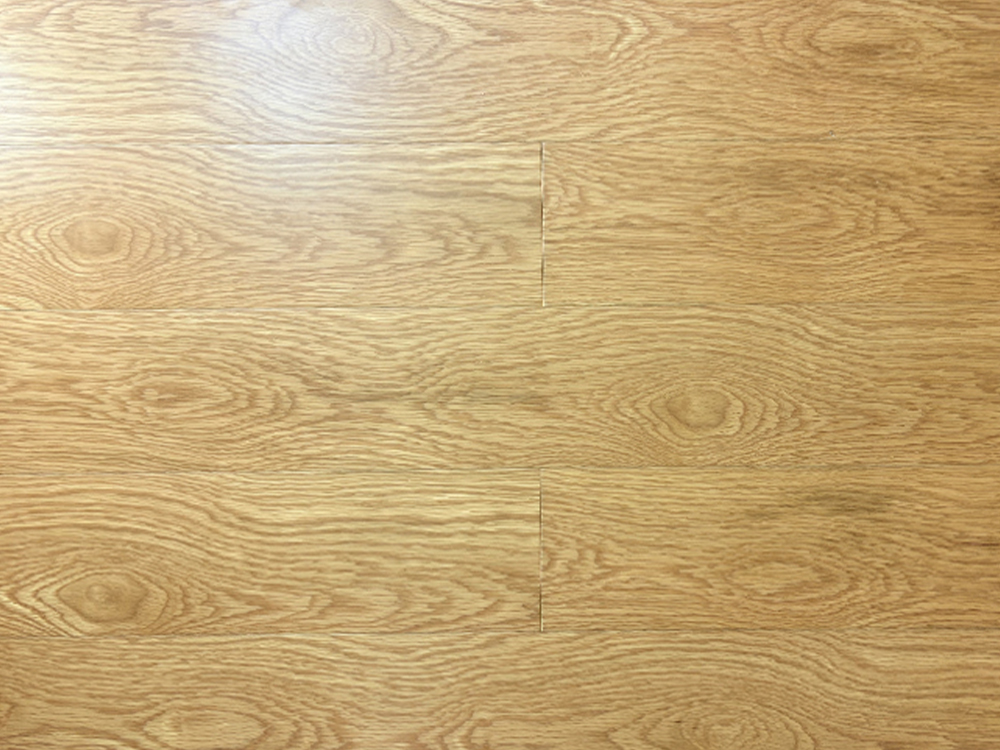
Sourcing decisions only tell part of the story — what happens during manufacturing and what a product is certified to meet fills in the rest. WPC production runs through an extrusion process that consumes energy to melt and shape the wood-plastic blend, and that energy draw is itself a sustainability variable: facilities running on cleaner power or recovering process heat reduce the composite's overall footprint compared to those that don't.
Because energy use and sourcing practices are hard for an outside buyer to verify directly, third-party certifications function as the practical shortcut. CE marking confirms a product meets relevant European safety and performance requirements. FloorScore and GreenGuard certifications test specifically for indoor air quality, verifying that a flooring product doesn't off-gas harmful volatile organic compounds into the spaces where it's installed — a meaningful distinction from the formaldehyde-related concerns that affect some engineered wood products using synthetic binders.
Formaldehyde-free formulations matter here specifically, since some binding agents used in composite manufacturing rely on urea-formaldehyde resins that off-gas over time. A WPC product built with heavy-metal-free stabilizers and zero-formaldehyde binders addresses that concern directly, and it's a specification worth confirming rather than assuming.
Putting the sourcing, material, and certification variables together gives a practical checklist for evaluating any WPC product before ordering:
Swanflor's approach to these variables — recycled wood powder, heavy-metal-free stabilizers, and FSC-certified fiber across its flooring lines — reflects how Swanflor approaches sustainable material sourcing and certification in practice, backed by CE, FloorScore, and GreenGuard credentials rather than sustainability claims alone. The full WPC flooring collection built on this composite core spans multiple structural tiers, including options that pair the composite core with a genuine oak veneer WPC flooring with a genuine wood surface layer for buyers who want authentic grain on top of a waterproof, dimensionally stable base.
For a deeper look at how the layer structure, core engineering, and installation requirements fit together once the material and sourcing questions are settled, the complete guide to WPC flooring types, structure, and installation covers the construction details that determine how a sustainably sourced composite performs once it's actually installed underfoot.


 皖公网安备34182102000331号
 Indoor Plastic Wood Flooring Manufacturers

 English
 Español
 Deutsch