

AngL0306@outlook.com
You are reviewing floor samples for a retail renovation, and the spec sheet reads "LVT." If you are sourcing resilient flooring for the first time, the acronym can be unclear: the same three letters also appear in veterinary medicine, which makes online searches confusing. In the flooring industry, LVT stands for luxury vinyl tile, a multi-layer resilient product that reproduces the look of timber, stone, and ceramic at a lower cost and with simpler maintenance. This article explains what LVT is, how it is constructed, which installation formats exist, and how it compares with SPC and WPC flooring.
Content
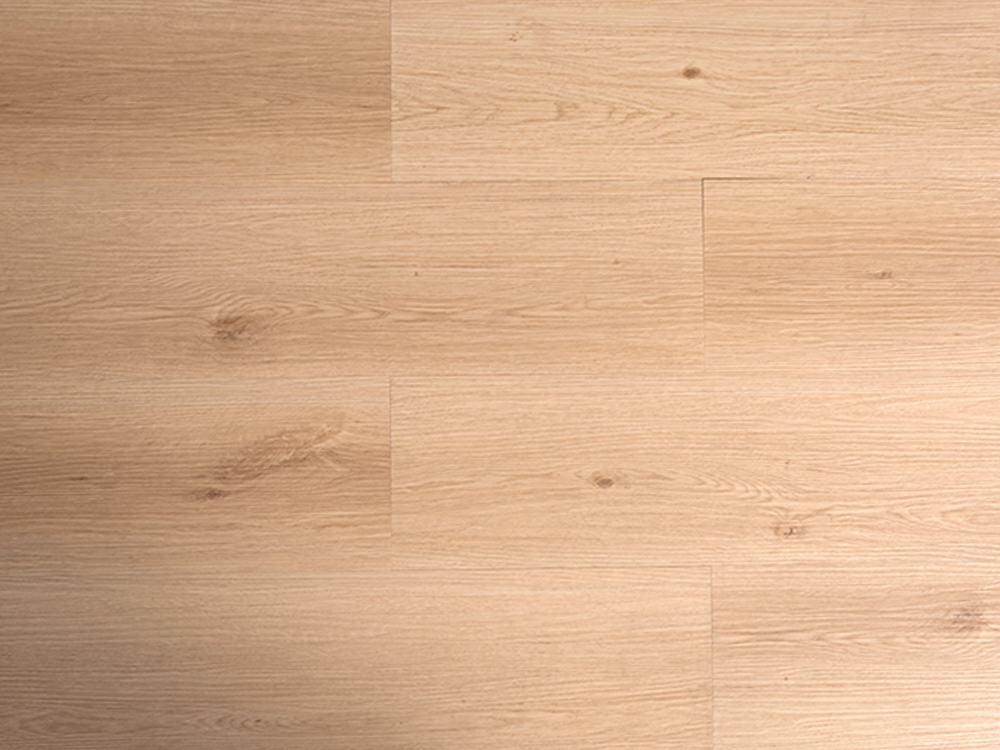
Luxury vinyl tile (LVT) is a manufactured flooring product built from several fused layers: a clear vinyl wear layer on top, a printed design film beneath it, a plasticized PVC core, and a backing layer. The print film carries a high-resolution photograph of wood grain, marble, slate, or travertine, while the transparent wear layer protects that image from scratches, stains, and abrasion. LVT first gained attention as a "luxury" upgrade over sheet vinyl because it is thicker, more dimensionally stable, and visually far more convincing than older vinyl products.
The format matters as much as the material. In the same way that sheet vinyl is sold by the roll, LVT is typically produced as planks or tiles with square edges. That shape allows realistic grout lines, herringbone patterns, and wood-look layouts that sheet goods cannot deliver. For a buyer, the practical takeaway is simple: LVT gives you the visual effect of natural materials with the waterproof characteristics of vinyl.
Understanding construction helps you compare supplier quotes and avoid buying a product whose wear layer is too thin for your project. A typical LVT structure includes:
The total thickness of a standard LVT is 2.0 to 5.0 mm, although loose-lay formats are often thicker. When you compare samples, check the wear layer specification first; it is the single biggest factor in long-term appearance.
LVT is not one product but a family of formats that differ in how they are installed. The choice affects subfloor preparation, installation speed, and future flexibility. The three dominant formats are dry-back, loose-lay, and click-lock.
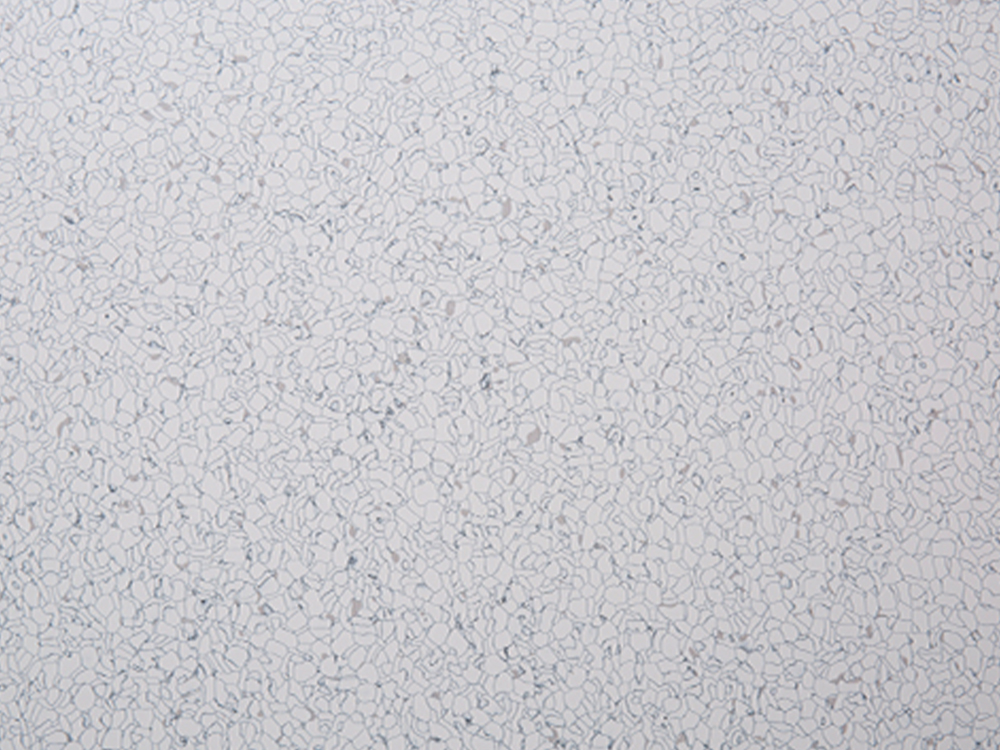
Dry-back LVT, also called glue-down LVT, is bonded to the subfloor with adhesive. It is the most common choice for commercial spaces because the glued surface resists movement under heavy rolling loads and the thin profile works with existing door clearances. Contractors prefer it for large open areas where cost per square meter matters. If you want to see how commercial dry-back products are specified, dry-back LVT flooring from a factory supplier provides typical wear layers and dimensions.
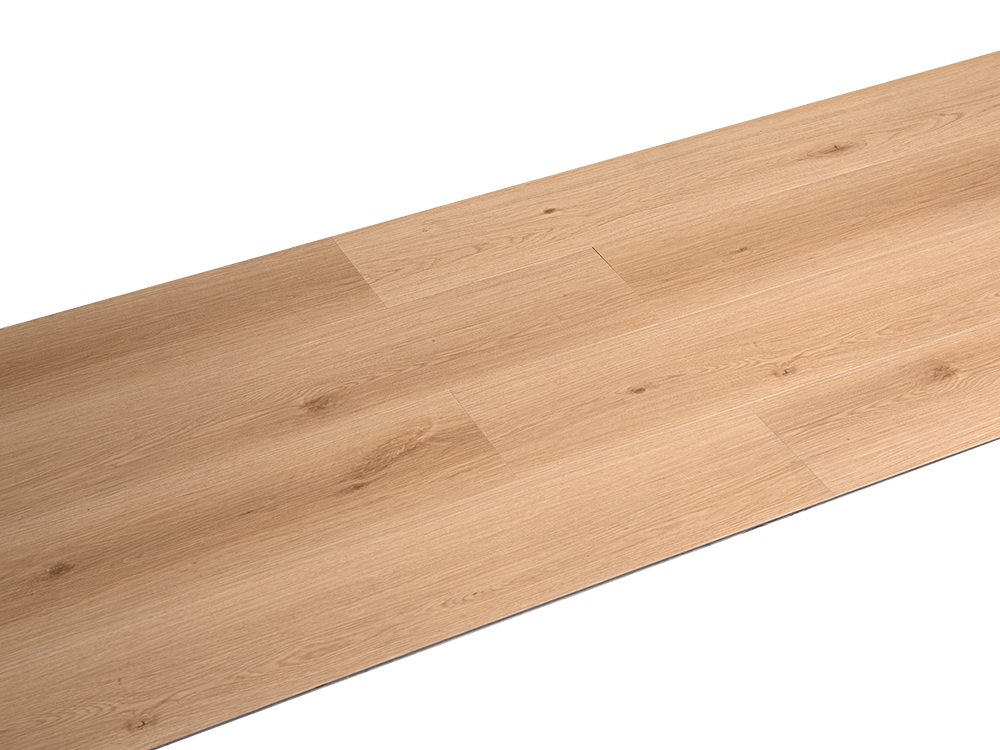 Dry Back LVT flooring Suppliers, Factory - Anhui Hanhua Building Materials TechnSwanflor Dry Back LVT flooring Suppliers and Dry Back LVT flooring Factory in China, offer Wholesale Dry Back LVT flooring, Luxury Vinyl ...View Product →
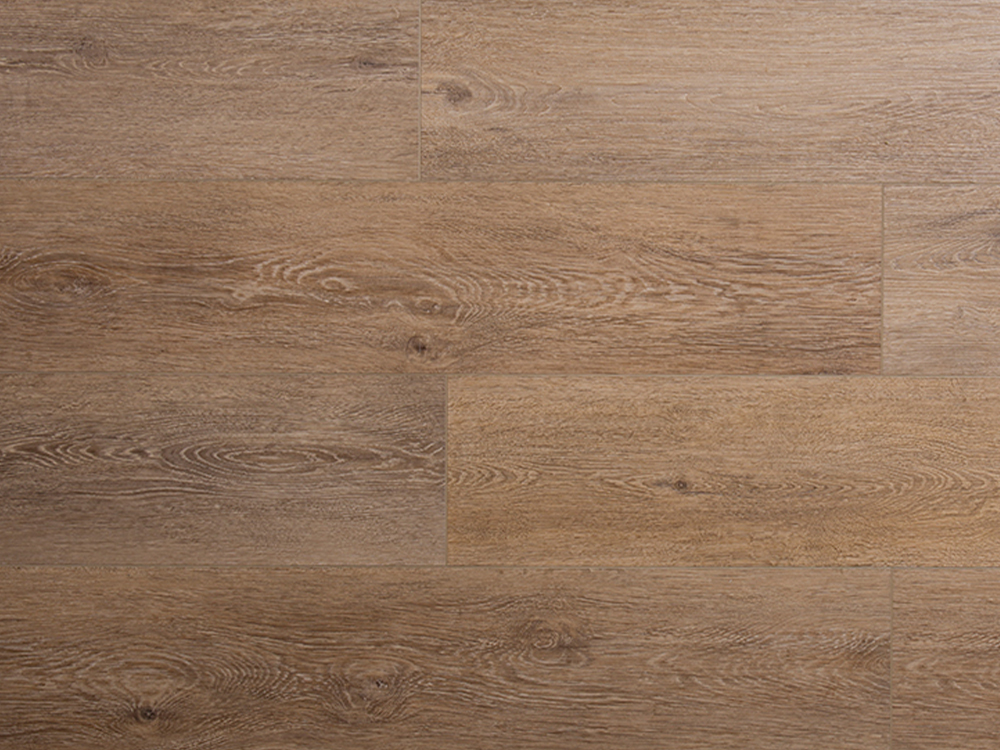
Loose-lay LVT uses a heavy backing and mechanical grip to stay in place without adhesive, except at the perimeter. It installs faster than glue-down products and can be lifted for access to subfloor services. That makes it popular for offices, showrooms, and rental properties where the floor may need to be replaced with minimal disruption. A loose-lay LVT range typically emphasizes dimensional stability and tighter edge tolerances.
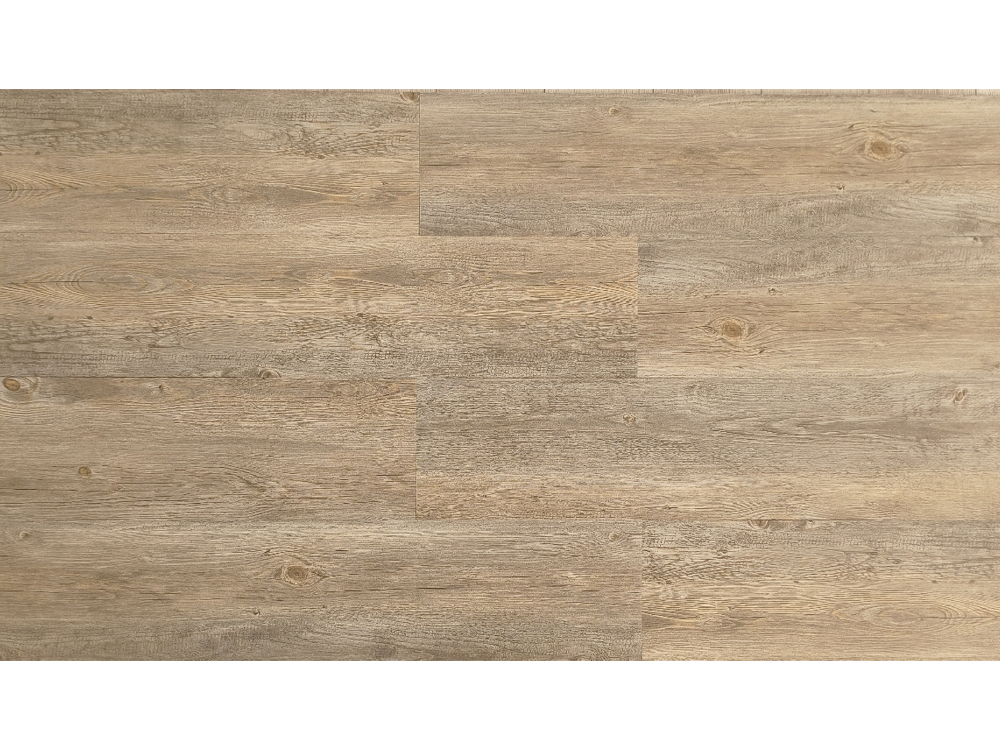 Loose Lay LVT Flooring Suppliers, Factory - Anhui Hanhua Building Materials TechSwanflor Loose Lay LVT Flooring Suppliers and Loose Lay LVT Flooring Factory in China, offer Wholesale Loose Lay LVT Flooring, The anti-s...View Product →
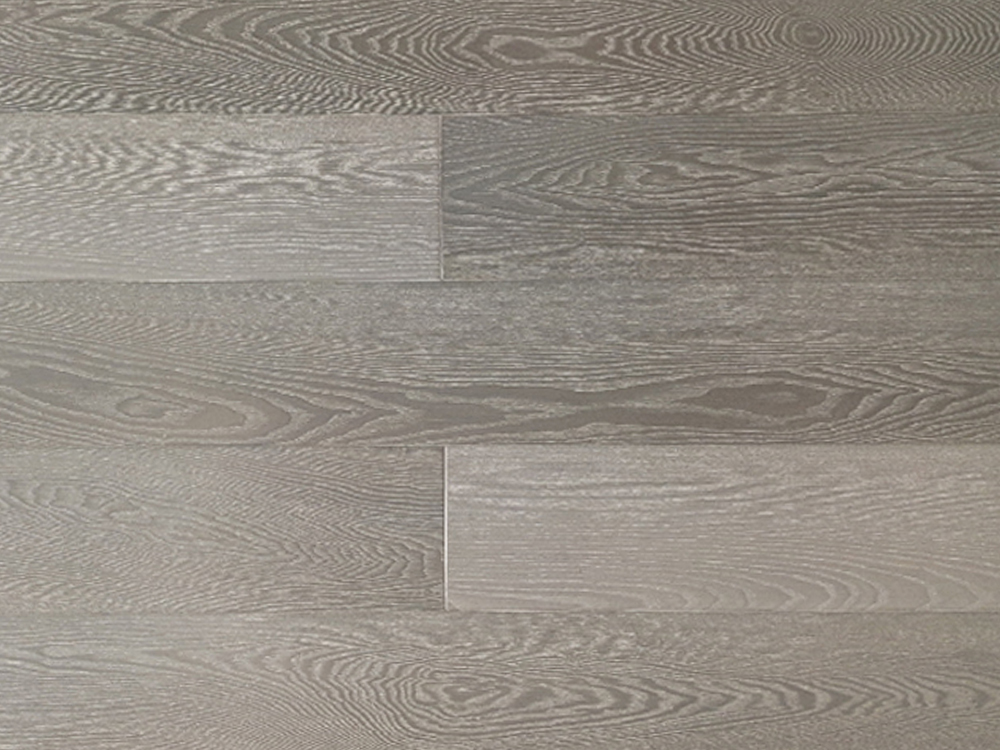
Click-lock LVT uses a mechanical locking system on the plank edges, so it floats over the subfloor with no adhesive. It is the most DIY-friendly format and suits residential renovations, bedrooms, and smaller commercial rooms. The planks are generally thicker and more rigid than dry-back tiles, which helps bridge minor subfloor irregularities. If you need a floor that can be installed quickly over an existing hard surface, click-lock LVT planks are worth evaluating.
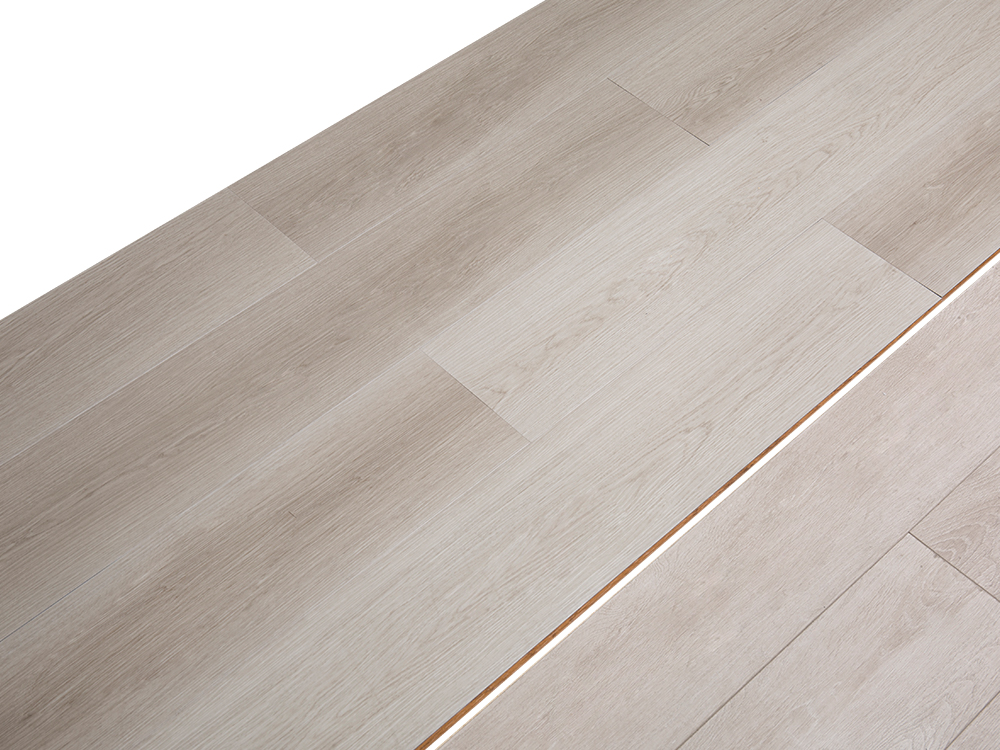 LVT Click Lock Flooring Suppliers, Factory - Anhui Hanhua Building Materials TeSwanflor LVT Click Lock Flooring Suppliers and LVT Click Lock Flooring Factory in China, offer Wholesale LVT Click Lock Flooring, The ...View Product →
Buyers often group LVT, SPC, and WPC under the phrase "luxury vinyl," but the cores are different. SPC (stone plastic composite) uses a rigid core filled with calcium carbonate, which makes it harder and more dent-resistant but also less forgiving on uneven subfloors. WPC (wood plastic composite) uses a foamed wood-plastic core; it is softer underfoot, warmer, and better at hiding small subfloor dips. LVT remains the most flexible of the three, which is why it performs well in glue-down commercial installations.
| Property | LVT | SPC | WPC |
|---|---|---|---|
| Core material | Flexible PVC | Stone-plastic composite | Wood-plastic composite |
| Typical thickness | 2.0 to 5.0 mm | 4.0 to 12.0 mm | 4.0 to 8.0 mm |
| Installation | Glue-down, loose-lay, click | Mostly click or drop-lock | Mostly click or drop-lock |
| Dent resistance | Moderate | High | Moderate |
| Comfort underfoot | Medium | Firm | Soft and warm |
| Best use | Commercial glue-down, value projects | High-traffic residential, water-prone areas | Residential comfort, uneven subfloors |
The choice depends on the project. If the floor will be glued down in a retail store or clinic, standard LVT is proven. If you need floating installation with extreme indentation resistance, SPC is stronger. If underfoot comfort is the priority, WPC wins.
LVT's main advantages are its realistic appearance, complete water resistance, fast installation, and low maintenance. Vinyl does not need sealing, polishing, or waxing. Routine cleaning is a dry mop plus a damp mop with a pH-neutral cleaner. For detailed guidance, the flooring maintenance methods shared by manufacturers cover the differences between vinyl, SPC, and laminate care.
The limits are worth knowing before purchase. LVT is softer than stone or porcelain, so heavy point loads can leave indentations. Dark colors may show scratches more than a textured surface. And although the product resists water, standing water in a flooded room should still be removed quickly. These limitations are manageable; they simply define where LVT is the best technical fit.
When you evaluate LVT suppliers, focus on four factors. First, wear layer thickness: 12 mil is a reasonable minimum for residential, 20 mil or higher for commercial. Second, dimensional tolerance: in loose-lay and click products, edge consistency determines whether seams stay tight. Third, emission certifications: export-oriented factories test against EU requirements, which are stricter than many domestic standards. Fourth, the backing material: a quality PVC backing prevents the tile from shrinking after installation.
Working with a direct manufacturer shortens the supply chain and gives you better control over specifications. A factory that produces dry-back, loose-lay, and click-lock LVT on the same site can also manage the complementary accessories needed to complete a project. For buyers planning a larger order, asking the factory for wear-layer documentation and a sample panel before committing is the standard first step.
LVT remains one of the most cost-effective resilient flooring choices on the market because it combines the look of natural materials with the practical advantages of vinyl. Its multi-layer construction, flexible installation formats, and proven commercial track record explain why the category continues to grow. Whether you choose dry-back for a shop floor, loose-lay for an office, or click-lock for a renovation, the key is to verify the wear layer and source from a manufacturer that can document the specification. That is the difference between buying a product name and buying a floor that performs.


 皖公网安备34182102000331号
 Indoor Plastic Wood Flooring Manufacturers

 English
 Español
 Deutsch