

AngL0306@outlook.com
A maintenance supervisor at a regional retail chain recently asked us a blunt question: "If I install vinyl plank flooring today, will it still look right ten years from now?" The answer, based on more than thirty years of making PVC flooring, is yes and no. Choose the right product type, protect the printed layer with an adequate wear layer, prepare the subfloor properly, and maintain the surface consistently, and a vinyl floor can easily deliver 20 to 25 years of service. Choose a thin budget product, skip acclimation, or ignore the moisture reading, and you may be replacing the floor within three to five years. Lifespan is not a fixed number; it is the result of four variables you control: product type, wear layer thickness, installation quality, and maintenance habits.
Content
The first step is to stop treating vinyl as a single product. Sheet vinyl, luxury vinyl tile (LVT), WPC, and SPC behave very differently after installation. The table below shows realistic residential expectations for each type, assuming normal foot traffic and routine maintenance.
| Flooring type | Typical residential lifespan | Best suited for |
|---|---|---|
| Sheet vinyl | 10-15 years | Budget bathrooms, laundry rooms, closets |
| Dry-back and loose-lay LVT | 12-18 years | Commercial installations and flat subfloors |
| LVT click-lock | 15-20 years | DIY residential projects |
| WPC rigid core | 15-25 years | Living areas where comfort and quiet matter |
| SPC rigid core | 20-30 years | Heavy traffic, large rooms, high temperature swings |
Notice the spread inside each row. A 12-mil wear layer will protect an SPC floor much longer than a 6-mil wear layer, so do not treat these ranges as guarantees. For a floating click-lock installation in an active household, the LVT click-lock format is a proven option with a balanced price-to-durability profile.
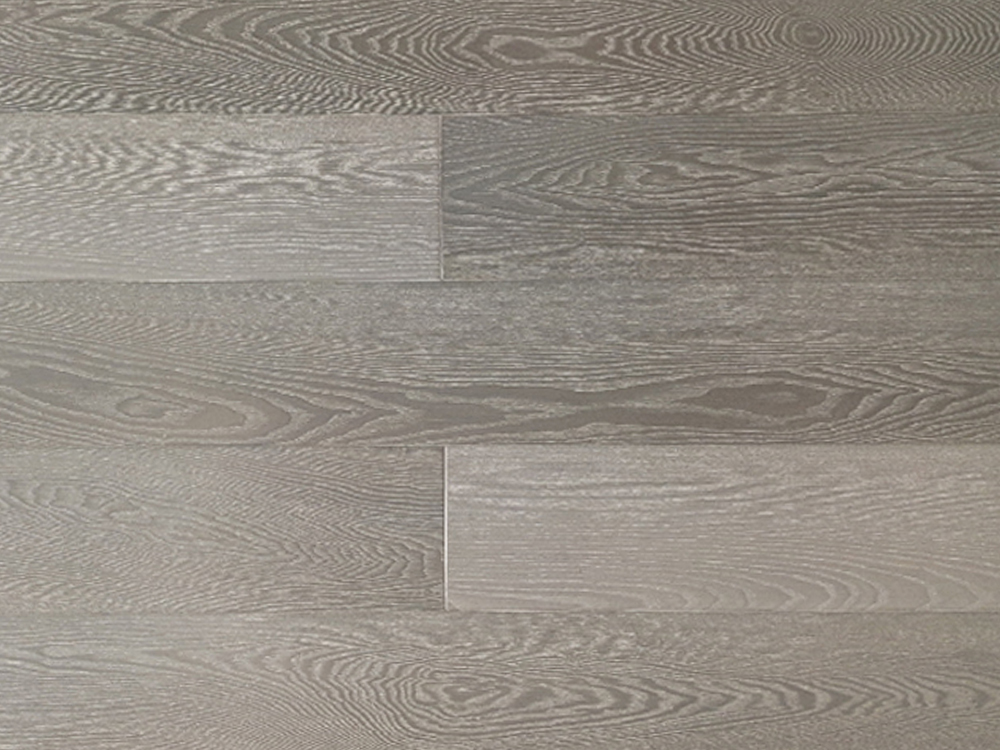
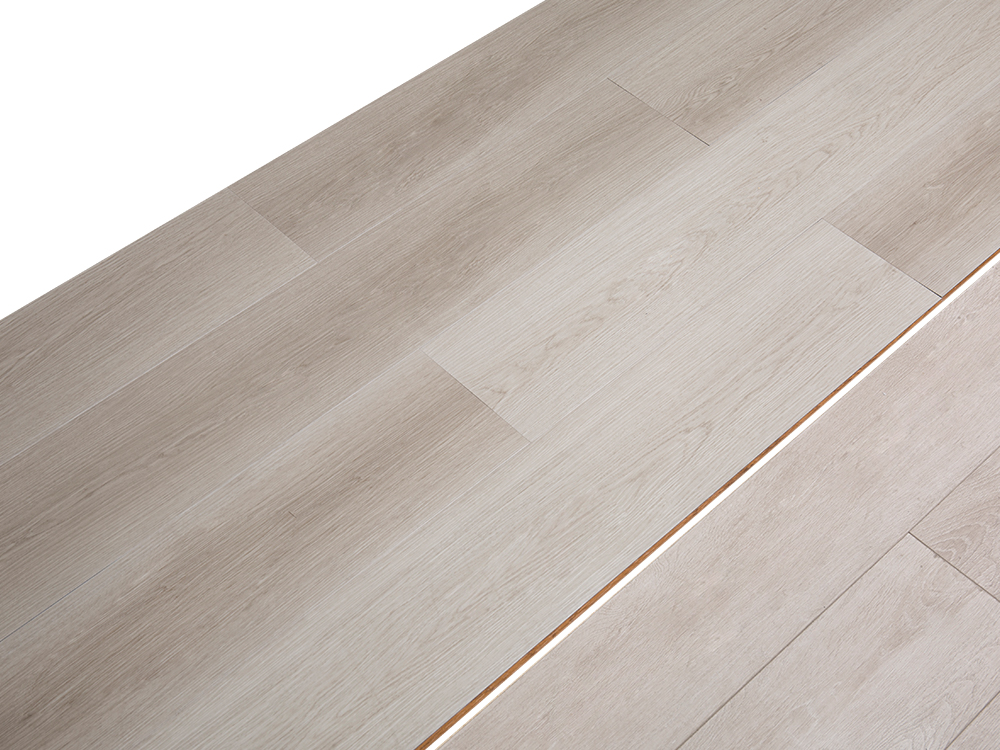 LVT Click Lock Flooring with Unilin Locking SystemIdeal for active households, this click-lock LVT offers a wear layer typically from 6 to 20 mils, balancing durability with easy adhesive-free installation. It suits high-traffic residential and commercial spaces while providing waterproof, slip-resistant performance.View Product →
The most important specification when comparing vinyl floors is the wear layer: the clear PVC layer that sits above the printed design. It is measured in mils, one mil equaling one thousandth of an inch. A 6-mil wear layer is common on budget products and acceptable for low-traffic bedrooms. Twelve mil is the residential standard. Twenty mil gives comfortable protection for kitchens, entryways, and homes with pets. Twenty-eight mil and above moves into commercial territory.
A 12-mil wear layer normally provides 15 to 20 years of normal living traffic before the surface loses its gloss. A 6-mil sheet vinyl under the same traffic can show visible scratches in roughly half that time. Composition matters, too. Look for a UV-stabilized wear layer with a cured urethane coating: UV stabilizers keep the printed design from fading in front of large windows, and the urethane coating resists scuffs and makes routine cleaning easier. A thick wear layer without UV stabilization will still block scratches, but it will not prevent colour change in direct sunlight.
Beneath the print layer is the core, and the core controls how the floor reacts to heat, cold, and heavy furniture. Flexible LVT, sometimes sold as glue-down vinyl plank, has a resilient PVC core that conforms closely to the subfloor. That is an advantage in a commercial space with a perfectly flat slab, but in a residential room the floor will telegraph every high spot and low spot, which accelerates visible wear.
WPC (wood plastic composite) floors use a foamed wood-plastic core. They are rigid, warm underfoot, and quiet, which makes them pleasant in bedrooms and living rooms. The softer core is also more forgiving under appliances. The trade-off is that the foam structure compresses slightly under sustained weight, so heavy furniture can leave permanent indentations unless the floor is protected with pads or coasters.
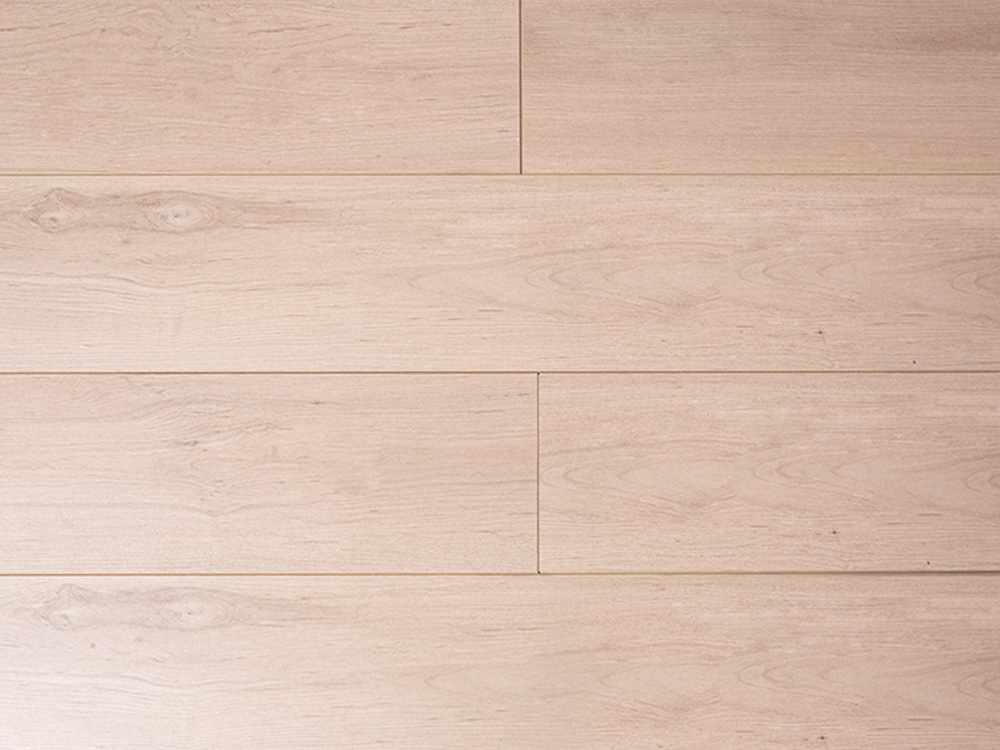
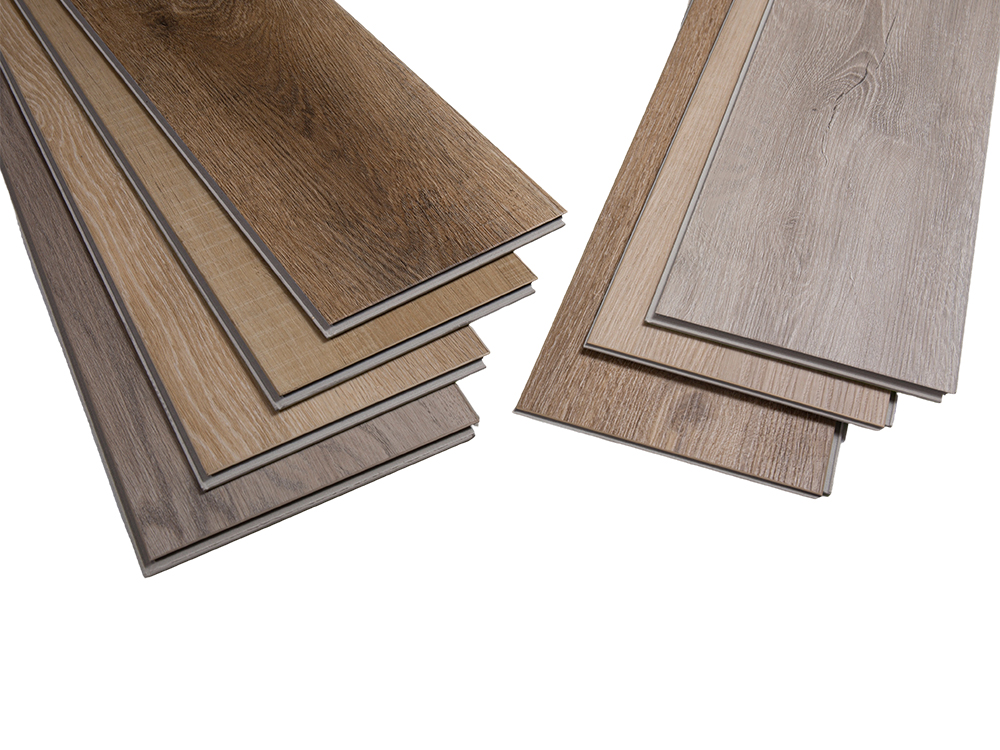 E-WPC Flexible Co-extrusion Flooring with Soundproof BackingAs a WPC-based option, this flexible flooring adds a cushioned feel and built-in noise reduction, making it comfortable in bedrooms and living areas. Its moisture-resistant core and click-lock structure suit kitchens and laundry rooms.View Product →
SPC (stone plastic composite) replaces most of the plastic content with limestone powder. The result is a dense, highly stable core that expands and contracts far less than other vinyl types when temperatures change. In a sun-drenched living room, a kitchen with radiant heat, or a commercial corridor with large windows, SPC gives the longest predictable service life. It is the product family we recommend first when a customer asks for maximum durability.
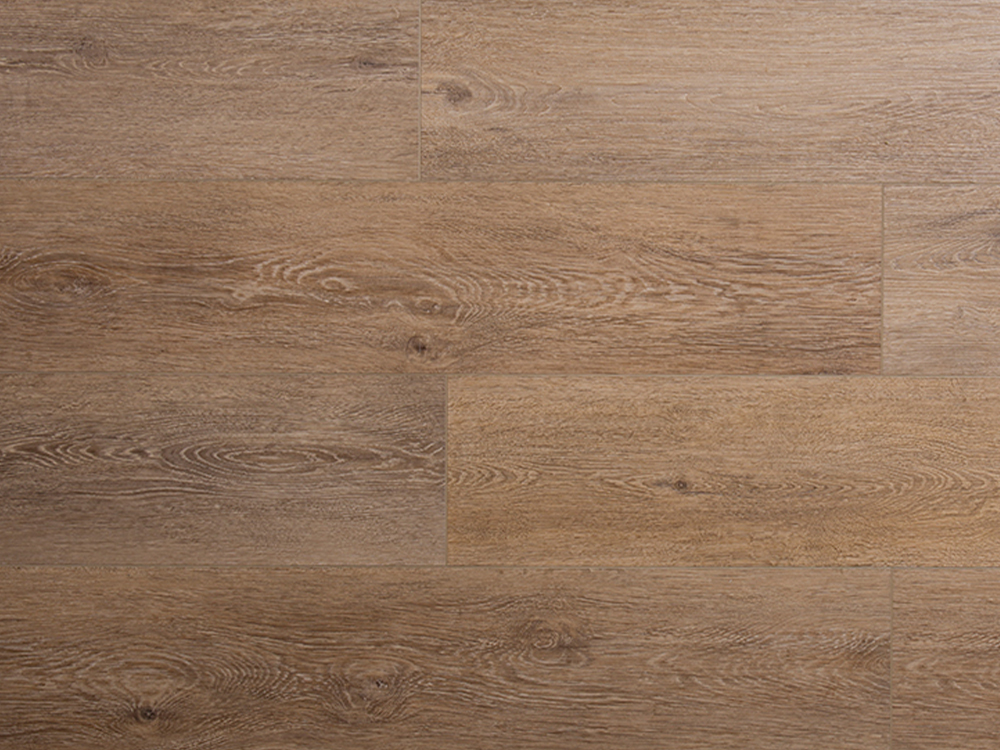
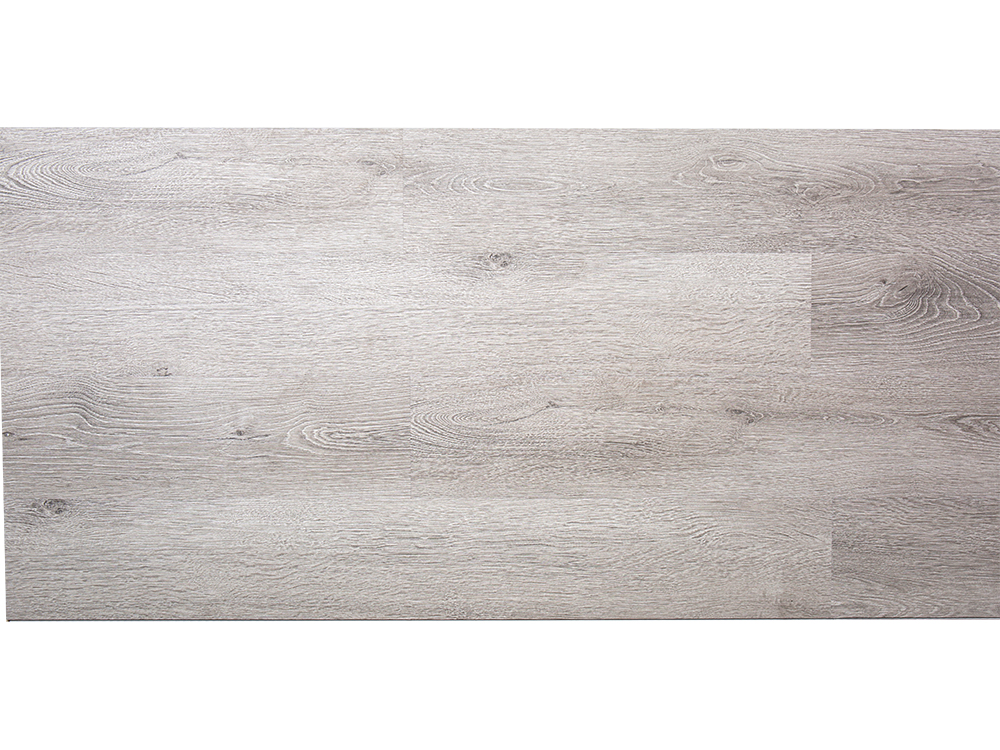 ABA Structured SPC Flooring with Extra Balance LayerThis SPC variant includes a PVC balance layer for enhanced dimensional stability, making it suitable for areas with large temperature or humidity swings. Its rigid core ensures long-term flatness and is recommended for high-durability installations.View Product →
In our experience reviewing warranty claims, most premature failures are caused by installation conditions, not material defects. The two most common problems are an out-of-flat subfloor and uncontrolled moisture. For click-lock floating floors, most manufacturers require the subfloor to be flat within 3 mm over a 3 m span, roughly one-eighth of an inch over ten feet. If the slab is wavier than this, the planks work against each other and the locking system eventually breaks down. Self-levelling compound before installation is not an extra expense; it is cheap insurance against early failure.
Moisture is the second silent killer. SPC, WPC, and LVT planks are dimensionally stable and waterproof, but moisture vapour rising through a concrete slab can still reach the underlayment and cause cupping or gapping. A polyethylene vapour barrier is mandatory over concrete in most regions. Follow the manufacturer's required expansion gap around the perimeter, typically 8 to 10 mm. Vinyl expands and contracts slightly even when the core is stable, and blocking that movement is how floors develop peaking at the plank edges.
Once the floor is installed, the care routine matters as much as material quality. Our guide to eight flooring maintenance methods walks through the daily steps that keep a floor in warranty condition.
Most vinyl floors do not fail suddenly; they get tired. The first clues are dull patches in traffic paths, fine scratches across the wear layer, and a gradual loss of gloss. Simple habits slow that process more than you might expect:
These habits cost a few minutes each week and have a measurable effect on the 25-year cost of the floor.
Knowing when to replace is as practical as knowing how long a floor could last. Plan for replacement when you see any of these signs:
A floor with these issues cannot be repaired, because vinyl cannot be sanded and refinished like hardwood. Replacement is the practical route, which is why a quality SPC or WPC floor bought today is usually cheaper over a 25-year horizon than a thin budget floor bought twice.
We have manufactured PVC flooring since 1992 and exported to North America, Australia, and the EU. When customers send us photos of floors that are still going strong after 20 years of service, those floors always share three traits: a wear layer of at least 12 mil, a rigid core that matched the temperature swings of the room, and an installer who prepared the subfloor properly. Product category matters less than these three details. A well-made sheet vinyl in a low-traffic bedroom will outlast a poorly installed SPC floor in a hallway, so choose for the room rather than for the trend.
The range we currently produce, from SPC rigid core planks to wood-veneer WPC and thin-profile LVT, is shown on our product spotlight page.
If you are specifying a floor for a project or replacing one at home, start with the wear layer and the core, fix the subfloor before installation, and keep the cleaning routine simple. That combination is the real answer to how long vinyl flooring lasts: as long as the project needs it to, provided the floor is built correctly in the first place.


 皖公网安备34182102000331号
 Indoor Plastic Wood Flooring Manufacturers

 English
 Español
 Deutsch