

AngL0306@outlook.com
Picture the moment when the last plank in a row is a few millimeters too wide for the gap. Reaching for a multi-tool feels natural because cutting makes people hesitate. The easiest way to cut vinyl flooring is also the most basic: score the wear layer along a straight edge with a sharp utility knife, then fold the plank until it separates. That method works for flexible LVT and for rigid core SPC/WPC boards, creates no dust, and leaves an edge clean enough to hide under trim.
Content
Scoring is not sawing. Your goal is to create a clean groove in the surface and, for rigid-core boards, to cut partway into the core. The blade makes the line; the fold does the separating. If you try to cut through the full thickness with a knife, the blade will wander and the edge will chip. If you score too shallowly, the plank resists the break. With one firm pass, then a second over the same line, you get enough depth for a crisp break.
Place the score line exactly on the edge of a workbench, press down on the short side, and the board snaps along the groove. Flexible dry-back LVT, which has little to no rigid core, needs a slightly different motion: score the wear side, bend the plank upward from the back, and it tears along the line. Either way, the result is the same: no sawdust, no chipping, and a cut that takes less than two minutes for one plank.
You do not need a table saw, an oscillating multi-tool, or a dedicated flooring cutter. For a straightforward installation, the tool list is short:
Blade condition matters more than any other variable. A dull blade tears the PVC compound instead of slicing it, pulls your line out of straight, and leaves a fluffy edge. Fit a fresh blade before you start and keep another one nearby for long rooms.
Mark the plank at both ends, align the straightedge with the two marks, and hold the straightedge down with your non-cutting hand. Run the blade along the straightedge with steady pressure. Do not force a deep cut in one pass; score the surface once, then run the blade a second time over the same line. This keeps the groove accurate and extends the life of the blade.
For a square cut, use your carpenter's square as the guide. For a longer rip along the length of a plank, a long aluminum straightedge gives better control. If the plank has a locking profile, place the straightedge far enough from the lock so the blade does not dive into it.
After scoring, move the plank to a flat workbench with the score line aligned with the edge of the table. Press down sharply on the waste side. The plank will break with a clean pop. A quick pass with fine sandpaper removes any point that remains on the edge.
| Task | Best technique | Time per plank | Edge quality |
|---|---|---|---|
| Straight full-width cut | Score with a utility knife and straightedge, then snap | 1-2 min | Clean, easy to hide under trim |
| Notch for a door casing | Score the waste side with a knife, then snap | 2-3 min | Crisp if both sides are scored |
| Hole for a pipe | Mark location, cut a cross slit, enlarge with a rasp | 2 min | No chipping if cut from the wear side |
| Long rip along the length | Score over a metal straightedge, snap over the table edge | 2-3 min | Need a light sandpaper pass after snapping |
Door casings are easier than they look. Hold the plank upright against the casing, mark the outline of the frame on the top face, then score the vertical lines and cut the notch with a sharp knife. Cut from the wear side so the visible face of the plank stays free of burrs. When the plank is lowered flat, the notch slips under the casing and leaves no gap.
For a pipe, place a scrap piece of vinyl over the pipe and press it against the adjacent plank to establish the location. Transfer the pipe diameter to the scrap, then cut a cross-shaped slit at that point. Slide the finished plank into place and use a rasp to enlarge the opening slightly if needed. Avoid using the knife to shave the hole while the plank is on the subfloor; shaving tears the top layer.
At doorways and at changes between rooms, leave the expansion gap specified by the manufacturer and cover it with a transition profile. Never cut the plank flush against the threshold or squeeze it into a tight space, because rigid-core vinyl needs room to expand and contract as temperatures change.
Flexible vinyl such as dry-back LVT folds easily, so you can score the wear layer and snap it with little force. If the edge looks ragged, score the back of the plank as well, then bend away from the first score. Loose-lay LVT behaves the same way because it has no rigid core to crack.
Click-lock LVT and rigid core SPC boards follow the standard score-and-snap method. Score the wear surface to a depth of about one-third of the board thickness, snap over the table edge, and run a light sandpaper pass over the broken line. Always cut on the waste side of the locking profile when the cut runs parallel to it. If you need to shorten the tongue or groove along the length, remove the locking section first and then score cleanly through the body.
Swanflor's click-lock LVT is a convenient example: the flexible core scores easily and the locking profile stays intact when the cut is made on the correct side.
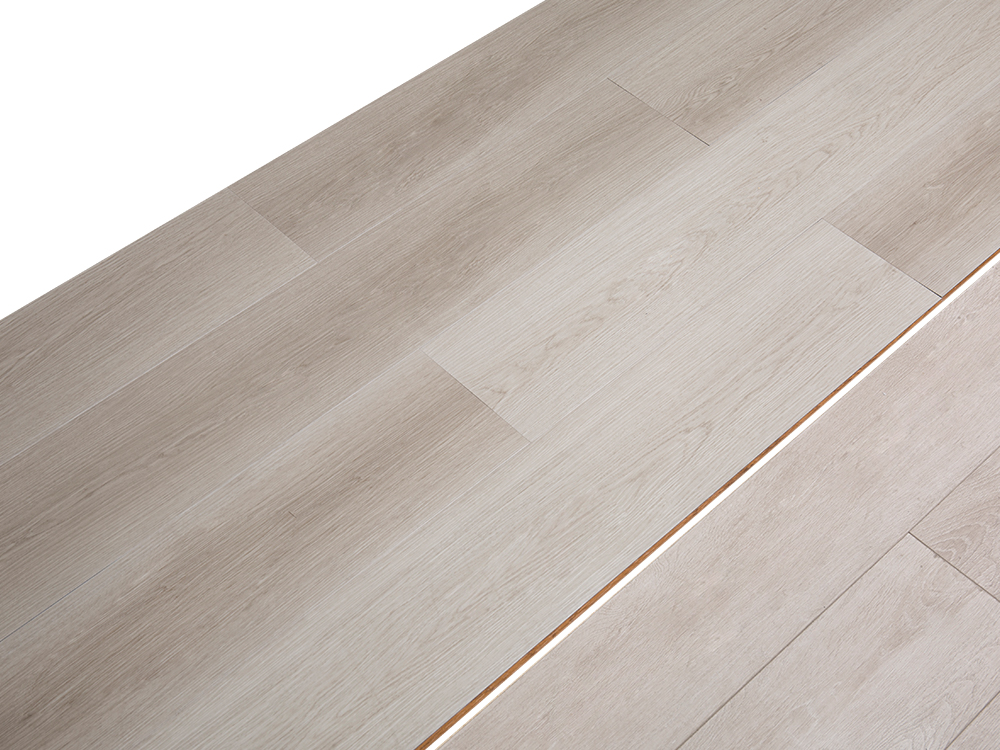 Swanflor Click-Lock LVT Flooring with Unilin Locking SystemThis flexible-core LVT scores cleanly and keeps its locking profile intact when cut on the correct side, making it a practical choice for the wet-area installation steps discussed nearby.View Product →
The ABA-structured SPC board uses a denser core that pivots around the score line in the same way. If the floor goes into a bathroom or laundry, this rigid-core product behaves predictably with cutting and moisture; you can review the wet-area installation notes separately.
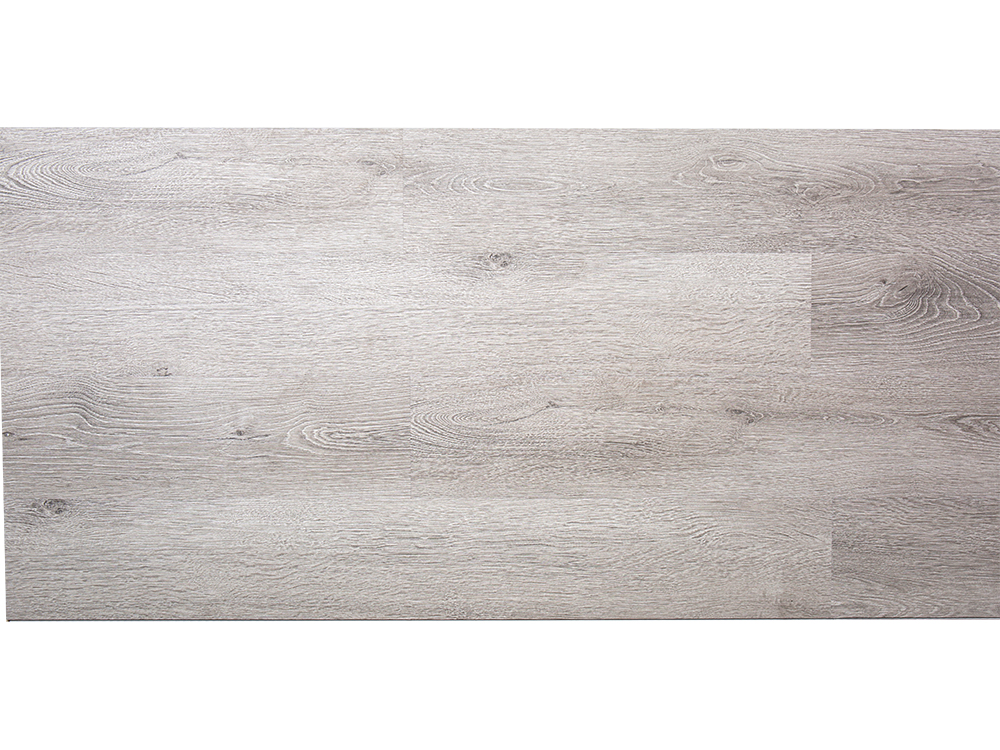 ABA Structured SPC Flooring with Dense CoreThe denser ABA core pivots predictably around the score line, helping with precise cuts and stable behavior in bathrooms or laundry rooms, as referenced in the following installation guidance.View Product →
That leaves more time for measuring and less time for adjusting boards after the installation is underway.
A few small habits separate a clean install from one that looks rushed.
When cutting with a knife, always keep your hand behind the blade and wear a cut-resistant glove if you are not used to the motion.
A precise cut solves the installation challenge, but the final visible line is often covered by trim. At doorways, a reducer transition strip covers the edge and smooths the difference in height between two floors.
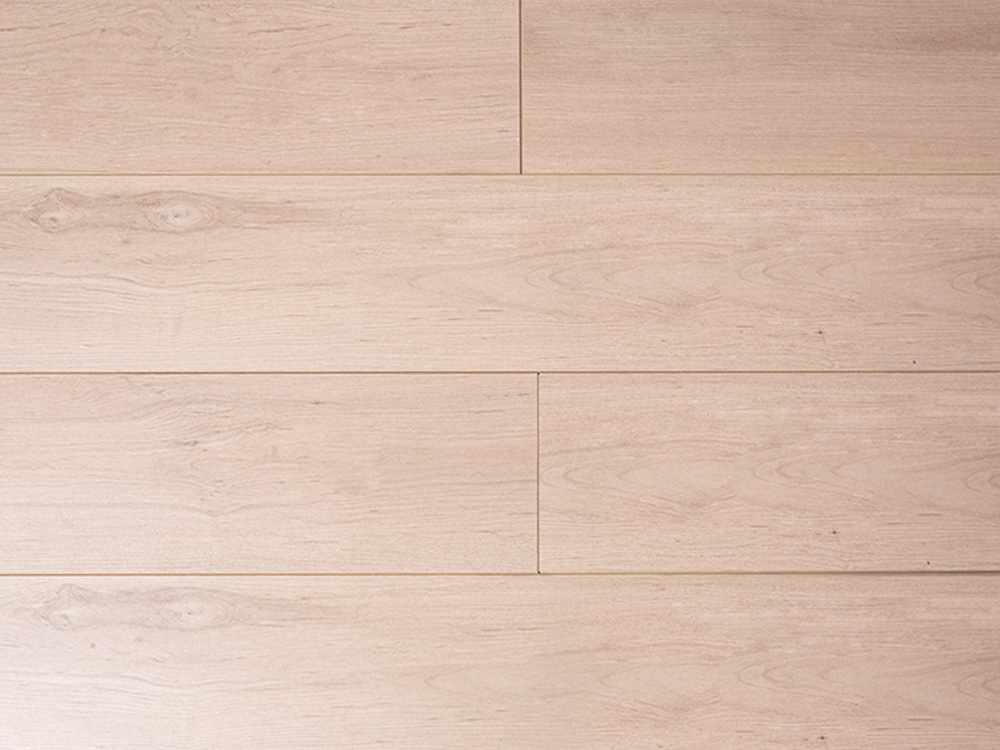 Sustainable Flooring Solutions from Anhui HanhuaThis manufacturer's broad product range includes SPC, WPC, LVT, and MGO boards, with matching trim profiles and maintenance guidance to finish the installation cleanly after cutting.View Product →
At walls, skirting boards and quarter round hide the expansion gap and the cut edge. Use the profile that matches your product, and install it after the planks are in place so that movement does not create gaps. If you want the floor to keep that fresh look, follow the factory's maintenance recommendations after the installation is complete.
The easiest way to cut vinyl flooring is not a special machine or a long list of steps. It is a sharp knife, a straight edge, and the confidence to let the material break along a clean line. Measure carefully, score once, score twice, and snap. That routine is easier to master than any other method and produces reliable floors for every room.


 皖公网安备34182102000331号
 Indoor Plastic Wood Flooring Manufacturers

 English
 Español
 Deutsch