

AngL0306@outlook.com
Yes, you can put radiant heating under luxury vinyl plank (LVP), but only if you choose the right product and control the system carefully. LVP is a synthetic flooring made from PVC. It can soften, warp, or emit odors when the surface temperature climbs too high. Most vinyl manufacturers state a maximum surface temperature of about 85°F (29°C). If your radiant system respects that ceiling, LVP can work beautifully.
The main risk is not the heating itself; it is the combination of an unsuitable LVP product, an unregulated thermostat, and the wrong underlayment. This guide explains what you need to know before installing heated floors under LVP, and where to focus your attention to avoid flooring failure.
Content
Heat is the enemy of vinyl. At roughly 85°F to 95°F, the PVC matrix becomes less rigid. In a click-lock floor, that can cause gaps, edge curling, or seam separation. In a glue-down product, it can weaken the adhesive. Even if the floor does not fail immediately, the added heat can accelerate the release of plasticizers and volatile organic compounds.
Your radiant heating system must therefore be set with an upper temperature limit. A thermostat that reads the floor temperature directly is the most reliable way to prevent overheating. The sensor should be placed between the heating layer and the flooring to measure the actual temperature that the LVP will see.
For wet areas like bathrooms, the same rule applies. Waterproof LVP does not change the heat tolerance. A heated bathroom floor under LVP still needs to stay below 85°F to protect the flooring as well as the subfloor.
Not all luxury vinyl plank products behave the same way. The core structure largely determines how much movement you will get when the floor warms up. The table below summarizes the main differences.
| Core Type | Typical Surface Temperature Limit | Heat Compatibility | Main Concern |
|---|---|---|---|
| Dry-back LVT (glue-down) | 85°F (29°C) | Good if adhesive is rated for heat | Adhesive creep and bond failure at high temperatures |
| Loose-lay or click-lock LVT | 85°F (29°C) | Good | Expansion at edges; needs proper expansion gaps |
| SPC rigid core | 85°F (29°C) or higher depending on maker | Excellent; lower thermal expansion | Still requires temperature control; hard surface feel |
| WPC composite | 85°F (29°C) | Moderate | Can be softer and less dimensionally stable under heat |
SPC rigid core flooring is often the best match for radiant heating because it contains a high proportion of limestone. This gives it greater dimensional stability when the temperature cycles. If you are selecting a new floor for a heated slab, SPC is worth considering.
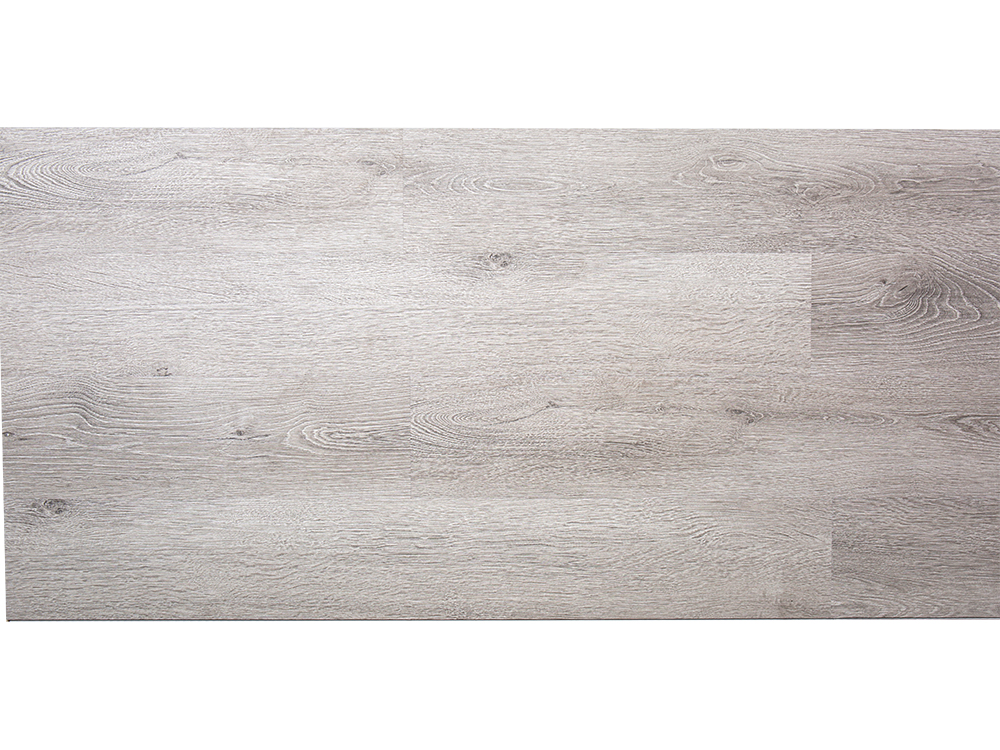 ABA Structured SPC Flooring with Enhanced Dimensional StabilityThis ABA-structured SPC flooring adds a PVC balance layer for improved stability against temperature and humidity changes, making it a reliable choice for radiant heating systems and areas with wide environmental swings.View Product →
Our ABA-structured SPC flooring is designed with a balanced construction that resists warping. The structure uses a dense stone-polymer core with a PVC balancing layer, which helps the plank stay flat even when heat is applied from below.
Underlayment choice matters more than many homeowners expect. A thick foam pad under LVP may feel comfortable, but it can become an insulator between the heating element and the floor. That means the heating system has to work harder to reach the same room temperature, and the vinyl surface may stay cooler than the air. In a floor-heating install, you want an underlayment with a low thermal resistance (R-value). Many manufacturers offer a thin, pad-like product that explains its compatible R-value. If the underlayment is too thick, the radiant heat cannot transfer efficiently, and the heating system may overheat around the element, creating hot spots.
Also, never use a vapor barrier that traps moisture against the heating element. Most modern LVP systems are waterproof, but the subfloor still needs to breathe or have a proper moisture barrier. Always follow the heating system manufacturer’s stacking order.
The installation method can make or break the project. For click-lock LVP, you should use a floating installation. That means you must leave an expansion gap around the perimeter of the room, typically 1/4 inch or about 6 mm. Radiant heat will cause the planks to expand slightly as they warm, and the gap prevents buckles or putty lines.
For glue-down LVT, the adhesive must be specifically rated for use over radiant heating. Not all adhesives tolerate prolonged elevated temperatures. Some adhesives soften and fail, causing the vinyl to lift or the seams to open. Check the glue manufacturer’s stated temperature range and confirm it is higher than the operating temperature you plan to use.
If you are installing in a bathroom or another wet area, the same expansion and adhesive rules apply. Moisture plus heat puts more stress on the joints. Look for a product with a strong click profile and a waterproof core. For a deeper look at how SPC performs in bathrooms, see our article on installing SPC rigid core flooring in wet areas.
When shopping for LVP to go over radiant heat, read the product specification sheet. Look for three things:
If you are concerned about warranty coverage, choose a product line that is explicitly advertised as capable of use with underfloor heating. Many rigid-core SPC flooring products meet this requirement.
For a classic LVT appearance with a simple click-lock install, our LVT click-lock flooring gives you a glue-free floating option that can expand safely when the heat cycles.
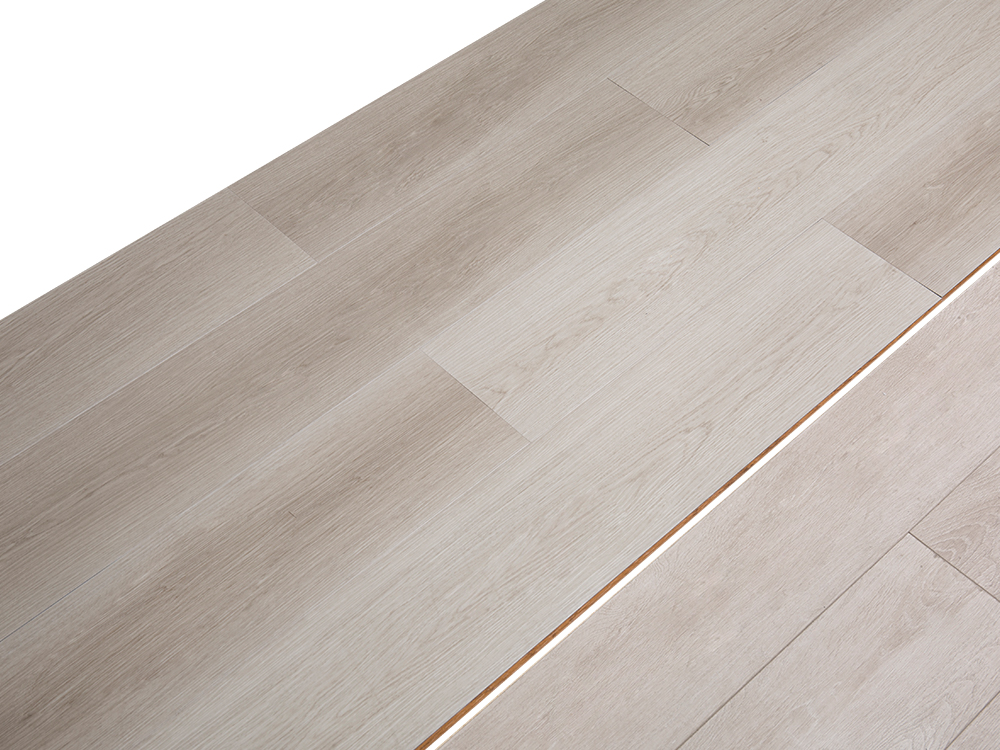 Glue-Free LVT Click Lock Flooring for Easy InstallationThis LVT click-lock flooring offers a floating installation without adhesives, providing a stable and water-resistant surface that expands safely with heat cycles, ideal for residential spaces that need a wood-look design.View Product →
This floor avoids the risks associated with adhesives, and it still offers the warm, wood-look design that makes LVP a popular choice in residential spaces.
Radiant heating works extremely well with LVP when the system is designed with the flooring in mind. The key is to choose a stable core, use a thin underlayment, install it properly, and keep the temperature under control.
As a manufacturer since 1992, we produce SPC, WPC, and LVT flooring specifically for markets with demanding installation standards. Our ABA-structured SPC flooring has a balanced layer structure that resists heat-related movement. Our LVT click-lock line gives you a glue-free floating floor that can expand and contract without stress on the seams.
Every product we ship is tested against EU standards for emissions and performance. Before you commit to a heated floor project, we can provide technical data and samples so you can verify the floor’s heat tolerance yourself. Regular maintenance is also important for long-term performance; a simple cleaning routine will keep the surface looking new.
The short answer is yes: you can put heated floors under LVP. But success depends on the product you buy and how you control the heat. Keep the surface temperature at or below 85°F, choose a rigid core SPC or a well-constructed LVT, use the right underlayment, and give the floor room to expand. Do that, and you will have a warm, durable floor for many years.


 皖公网安备34182102000331号
 Indoor Plastic Wood Flooring Manufacturers

 English
 Español
 Deutsch