

AngL0306@outlook.com
Content
ABA structured E-WPC (Enhanced Wood-Plastic Composite) flooring represents a significant evolution in rigid core flooring technology, offering superior dimensional stability, complete waterproofing, and enhanced impact resistance compared to traditional laminate or standard vinyl options. The "ABA" designation refers to its symmetrical three-layer construction: a durable wear layer on top, a rigid composite core in the middle, and a balancing backing layer at the bottom. This symmetric structure prevents cupping and warping even under extreme temperature fluctuations or high humidity conditions.
Unlike homogeneous WPC products, the enhanced formulation in E-WPC incorporates higher densities of mineral stone powder and optimized polymer ratios, resulting in a material that is 20-30% heavier and significantly more rigid. This increased density translates directly to better sound insulation, with impact noise reduction ratings often exceeding 20 dB, and improved load-bearing capacity suitable for both residential heavy furniture and commercial foot traffic.
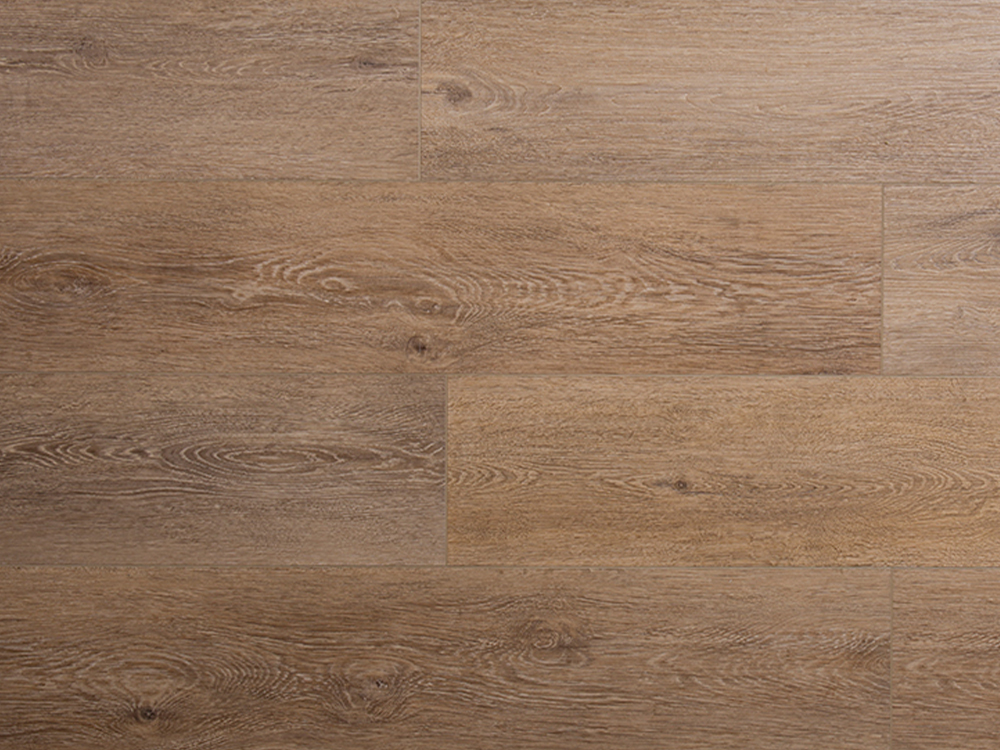
The semantic match with "structured" implies not just the physical layering but also the engineered surface texture. Modern ABA E-WPC features embossed-in-register (EIR) surfaces that align precisely with the printed wood grain, providing a tactile realism that mimics natural timber while maintaining the low-maintenance advantages of synthetic materials.
The performance of ABA structured E-WPC flooring is derived from the specific function of each of its three primary layers. Understanding these components helps in evaluating product quality and suitability for specific environments.
The top layer consists of a transparent UV-cured urethane coating over a high-resolution decorative film. Key characteristics include:
The central core is the defining feature of E-WPC. It is composed of a mixture of wood flour, polyvinyl chloride (PVC), calcium carbonate, and foaming agents. The "Enhanced" aspect comes from:
The bottom layer mirrors the top in terms of material composition but serves a structural purpose. It counteracts the tension from the top layer, ensuring the plank remains flat. Many premium ABA E-WPC products also integrate an attached underlayment pad (IXPE or EVA) to this layer, providing additional sound dampening and moisture barrier protection.
| Layer Component | Primary Material | Key Function | Typical Thickness |
|---|---|---|---|
| Top Wear Layer | UV Urethane + PVC | Scratch resistance, aesthetics, stain protection | 0.3 - 0.7 mm |
| Rigid Core (B) | WPC Composite | Structural integrity, waterproofing, stability | 4.0 - 8.0 mm |
| Balancing Layer (A) | WPC/PVC Blend | Counter-tension, moisture barrier, flatness | 0.5 - 1.0 mm |
| Attached Underlayment | IXPE or EVA Foam | Sound absorption, subfloor imperfection masking | 1.0 - 1.5 mm |
When comparing ABA structured E-WPC to other flooring types, several distinct advantages emerge, particularly in challenging environments.
Unlike laminate flooring, which uses a fiberboard core susceptible to swelling, E-WPC is 100% waterproof. This allows installation in basements, bathrooms, laundry rooms, and kitchens without fear of water damage. Testing shows that E-WPC planks can withstand submersion for 72 hours with no measurable change in dimensions or structural integrity.
The symmetrical ABA structure minimizes the tendency to curl or cup. While standard vinyl plank flooring may expand up to 0.1% with temperature changes, high-quality E-WPC maintains expansion rates below 0.05%. This stability allows for larger continuous installations without transition strips, often up to 1,000 square feet in a single direction, depending on manufacturer guidelines.
The dense mineral core provides excellent resistance to denting from dropped objects or heavy furniture. Indentation resistance tests typically show recovery rates of 95-100% for loads up to 200 psi, outperforming standard luxury vinyl tile (LVT) and approaching the hardness of some engineered hardwoods.
Proper installation is critical to realizing the full benefits of ABA structured E-WPC flooring. Most products utilize a click-lock floating floor system, but attention to detail ensures longevity.
The subfloor must be clean, dry, and level. Specific requirements include:
Although E-WPC is dimensionally stable, it is not immune to thermal expansion. Installers must leave a 1/4 inch (6mm) expansion gap around all vertical obstructions, including walls, cabinets, and pipes. Unlike solid wood, E-WPC does not require extensive acclimation, but storing the boxes in the installation environment for 24-48 hours is recommended to equalize temperature.
The locking systems vary by manufacturer (e.g., Unilin, Valinge, or proprietary designs). Key installation tips include:
One of the primary selling points of ABA structured E-WPC flooring is its low maintenance requirement. However, proper care extends its aesthetic life and preserves the warranty.
Regular sweeping or vacuuming (with a hard-floor setting) removes abrasive grit. For mopping, use a damp mop with a pH-neutral cleaner. Avoid steam mops, as excessive heat and moisture can potentially compromise the locking mechanisms or adhesive bonds over time, despite the waterproof core.
Most household stains (wine, coffee, oil) can be wiped up with a damp cloth. For stubborn marks, a small amount of isopropyl alcohol on a soft cloth is effective. While the wear layer is scratch-resistant, dragging heavy furniture can cause gouges. Use felt pads under furniture legs and lift rather than slide items when rearranging.
Place mats at entryways to trap dirt and moisture. Use protective pads under rolling chairs to prevent concentrated wear patterns. Avoid rubber-backed mats, as certain rubber compounds can react with the vinyl surface, causing discoloration; choose vinyl-safe or non-staining backings instead.
| Maintenance Activity | Frequency | Recommended Tools/Products | Avoid |
|---|---|---|---|
| Sweeping/Vacuuming | Daily/Weekly | Soft-bristle broom, hard-floor vacuum attachment | Beater bars on vacuums |
| Damp Mopping | Weekly/Bi-weekly | Microfiber mop, pH-neutral vinyl cleaner | Soaking wet mops, abrasive scrubbers |
| Deep Cleaning | Quarterly | Manufacturer-approved deep cleaner | Wax, polish, steam cleaners |
| Inspection | Annually | Visual check for gaps or damage | Ignoring minor repairs |
With numerous brands and specifications available, choosing the right ABA structured E-WPC flooring requires evaluating specific project needs.
For residential areas with moderate traffic, a 4mm to 5mm thickness with a 0.3mm wear layer is often sufficient. In contrast, commercial spaces or homes with large pets benefit from 6mm to 8mm thickness and a 0.5mm+ wear layer. Look for certifications such as FloorScore for indoor air quality and AC ratings (AC3 for residential, AC4/AC5 for commercial) to ensure durability standards are met.
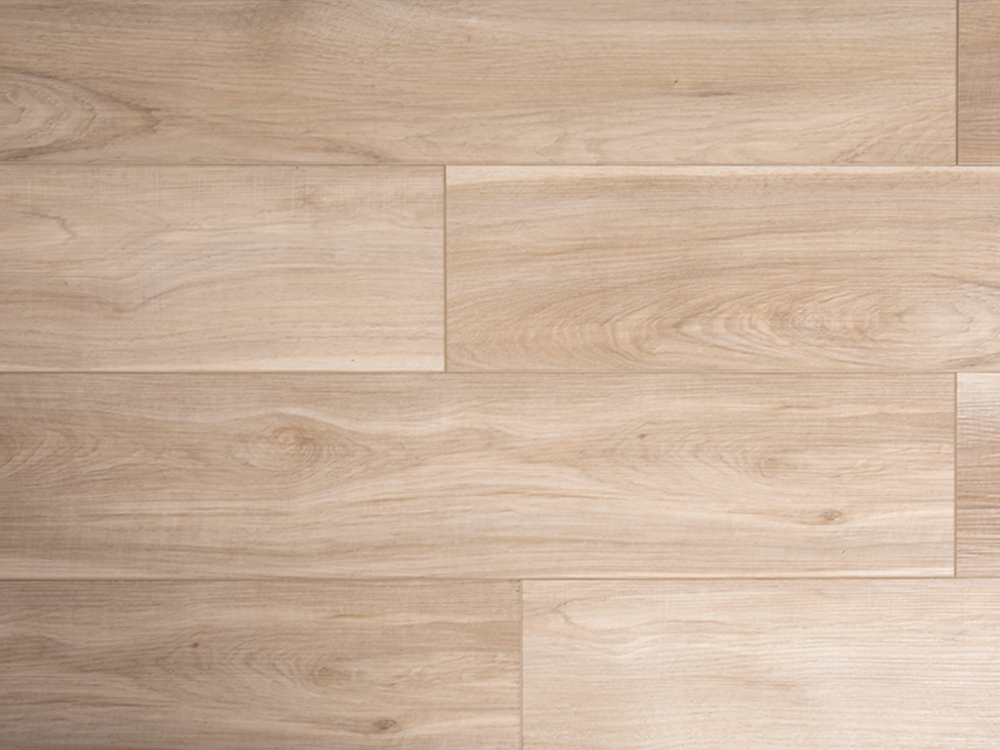
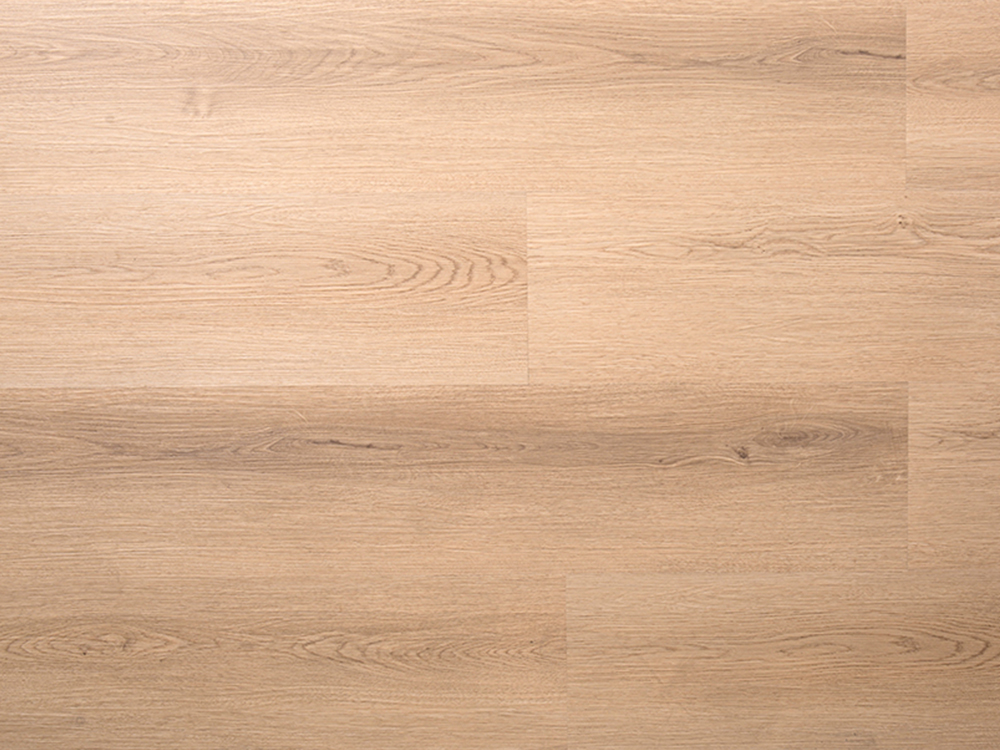
Finally, consider the aesthetic appeal. High-definition printing and EIR textures provide a realistic look, but sample evaluation in actual lighting conditions is crucial. The symmetry of the ABA structure ensures that these aesthetic features remain flat and true over time, delivering long-term satisfaction and value.


 皖公网安备34182102000331号
 Indoor Plastic Wood Flooring Manufacturers

 English
 Español
 Deutsch