

 English
 Español
 Deutsch



Wear Layer Innovations Driving Commercial Vinyl Flooring Durability
In high-volume commercial spaces, the wear layer determines how well waterproof vinyl plank and LVT flooring withstand abrasion. Modern factories increasingly adopt multi-layer UV-cured coatings reinforced with ceramic or aluminum oxide particles. These particles significantly increase resistance to micro-scratches, especially in environments like airports, retail stores, and educational facilities. Some European-market products also apply gradient coatings that vary hardness between the surface and lower wear layer, combining flexibility and durability for long-term performance.
Advanced Wear Layer Options
- Ceramic bead–reinforced coatings for superior abrasion control in heavy foot traffic zones.
- Anti-slip micro-textures that provide traction without affecting cleanability.
- Low-gloss matte coatings to reduce reflection in commercial lighting environments.
- Anti-stain polymer barriers used in hospitality and healthcare projects.
Subfloor Compatibility and Risk Management for Waterproof Vinyl Plank
Although waterproof vinyl plank resists moisture from above, the subfloor condition plays a major role in long-term stability. Concrete slabs with high vapor emission rates can introduce hydrostatic pressure that forces moisture upward, potentially disrupting adhesives or causing curling in glue-down Vinyl Plank Flooring. Installers in North America typically use calcium chloride or in-situ probes to determine whether moisture mitigation systems are required. When dealing with older buildings, self-leveling compounds with integrated vapor barriers help ensure dimensional stability and reduce future maintenance risks.
Common Subfloor Challenges
- Uneven concrete surfaces that transfer imperfections through thinner LVT products.
- Moisture trapped in existing vinyl layers during renovations.
- Old wood subfloors with inconsistent rigidity that cause joint movement.
- Direct sunlight areas where heat expansion must be considered carefully.
Thermal Expansion Behavior in Luxury Vinyl Tile Flooring
LVT flooring expands and contracts with temperature fluctuations, but the extent varies depending on material density, plasticizer type, and installation method. Glue-down systems experience less movement because the adhesive restricts free expansion, making them preferred for large-format commercial environments such as supermarkets. Floating vinyl plank systems, however, require controlled expansion gaps and transition strips, especially in wide-open layouts. European buyers often request dimensional stability testing based on EN ISO 23999 standards to ensure flooring performs reliably under climate-controlled conditions.
Factors Affecting Thermal Expansion
- Core density—higher density reduces overall expansion amplitude.
- Plasticizer quality—low-volatility types are preferred for long-term stability.
- Exposure to direct sunlight, especially through large glass façades.
- Installation layout—continuous wide rooms amplify expansion forces.
Acoustic Engineering Enhancements in Commercial Vinyl Flooring
Acoustic performance is a key specification for LVT and commercial vinyl flooring used in office towers, apartments, and healthcare facilities. The material’s inherent softness compared to ceramic or hardwood helps reduce impact noise, but specialized underlayment systems offer additional improvements. Options like IXPE, rubber composites, and fiber felts provide varying levels of low-frequency sound absorption. European developers frequently request flooring with integrated acoustic backings to meet multi-story building regulations without requiring additional underlayment layers.
Acoustic Underlayment Comparison
| Underlayment Type | Impact Noise Reduction | Durability | Typical Applications |
| IXPE Foam | Moderate | High | Residential and light commercial |
| Rubber Composite | High | Very High | Offices, hotels, healthcare |
| Fiber Felt | Moderate to High | Medium | Renovations and mixed-use buildings |
Commercial-Grade Adhesive Systems for LVT Flooring
The adhesive used in glue-down vinyl plank or LVT installations directly impacts long-term dimensional stability and resistance to shifting under heavy rolling loads. High-performance acrylic adhesives are widely used in the US and EU because they maintain tack while resisting plasticizer migration—an issue that can cause surface bubbling over time. Pressure-sensitive adhesives are preferred in modular office environments where tiles may need to be replaced individually, while hard-set adhesives are recommended for hospitals or retail environments subjected to frequent heavy movement.
Adhesive Types and Their Functional Differences
| Adhesive Type | Bond Strength | Repositionability | Best Use Case |
| Pressure-Sensitive | Medium | High | Office tiles, modular layouts |
| Hard-Set Acrylic | High | Low | Commercial retail, hospitals |
| Two-Part Epoxy | Very High | Very Low | Industrial or high-load areas |
Design Layer Realism in Luxury Vinyl Tile Flooring
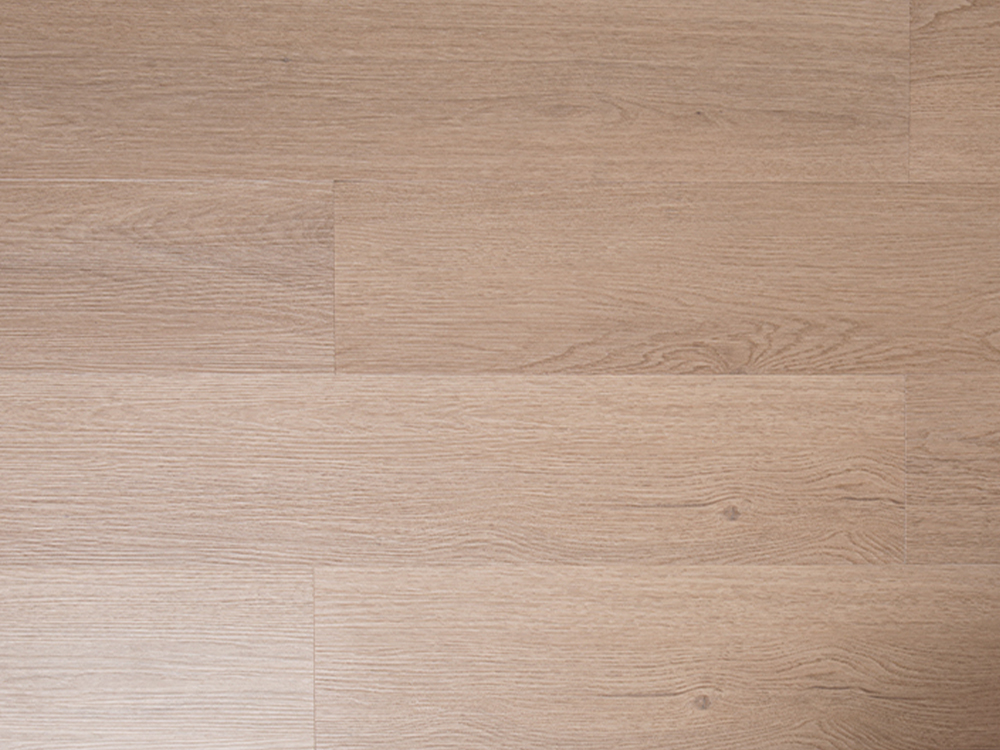
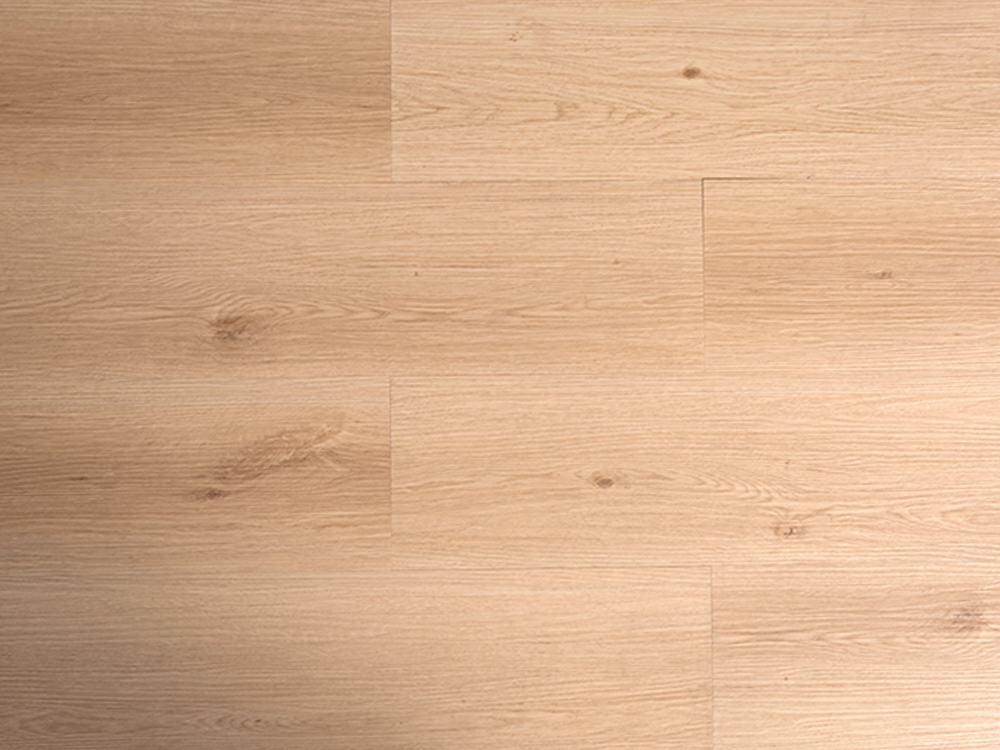
The realism of modern LVT flooring relies on high-definition print films and synchronized embossing technologies. Regional preferences influence design trends: American consumers gravitate toward wide-plank rustic patterns, while European markets prefer minimalist oak tones with subtle grain. Manufacturers use multi-pass digital printing to layer depth, shadows, and pores, enhancing authenticity without compromising waterproof performance. Premium commercial collections often use deeper embossing to match grain direction, improving both visual and tactile realism.
Design Elements That Enhance Realism
- Embossed-in-Register textures aligned exactly with printed grain.
- Digital shading layers that mimic natural wood depth.
- Stone-look LVT with randomized pattern cycles to avoid repetition.
- Use of matte finishes to replicate natural surface reflectivity.


