

AngL0306@outlook.com
Content
A Fast-Installation Wall Panel achieves rapid installation primarily through its prefabricated design. Unlike traditional wall finishes that require multiple on-site steps such as plastering, curing, sanding, and painting, these panels are manufactured in controlled factory environments. Dimensions, surface finishes, and connection details are finalized before delivery, allowing installers to focus solely on assembly rather than fabrication.
Prefabrication reduces variability and minimizes on-site decision-making. Panels arrive ready to install, with consistent thickness and straight edges that align easily. This eliminates the delays commonly associated with material preparation, surface leveling, and drying time in conventional wall construction.
Another key factor behind rapid installation is the use of integrated locking systems. Many Fast-Installation Wall Panels feature tongue-and-groove edges, snap-fit joints, or concealed mechanical locks. These systems allow panels to be joined quickly without complex tools or extensive fastening procedures.
Because the connection points are engineered into the panel structure, installers can align and secure panels in a predictable sequence. This reduces installation errors and prevents rework, which is a major cause of time loss in traditional wall finishing.
Fast-Installation Wall Panels are designed to tolerate minor imperfections in the underlying wall surface. Traditional wall finishes often require extensive leveling and surface correction before application. In contrast, panel systems typically rely on framing, battens, or adjustable fixing points that create a flat installation plane.
This tolerance significantly reduces preparation time. Installers can mount panels over concrete, drywall, or masonry with minimal patching. In renovation projects, this is especially valuable, as it allows new wall finishes to be installed directly over existing surfaces.
The size of Fast-Installation Wall Panels also contributes to installation speed. Larger panels cover more surface area per unit, reducing the total number of pieces required to complete a wall. Fewer panels mean fewer joints, fewer alignment steps, and less fastening work.
By minimizing the number of installation actions, labor time is reduced. This efficiency is particularly noticeable in large commercial spaces, where wall coverage can be completed in a fraction of the time compared to small-format tiles or layered wall systems.
A major reason Fast-Installation Wall Panels can be installed quickly is their reliance on dry installation methods. Mechanical fixing, clips, or adhesive tapes replace wet materials such as cement, plaster, or joint compound. As a result, there is no curing or drying period.
Once panels are fixed in place, the wall surface is immediately usable. This is critical in time-sensitive environments such as retail spaces, hotels, healthcare facilities, and office renovations where downtime directly affects operations.
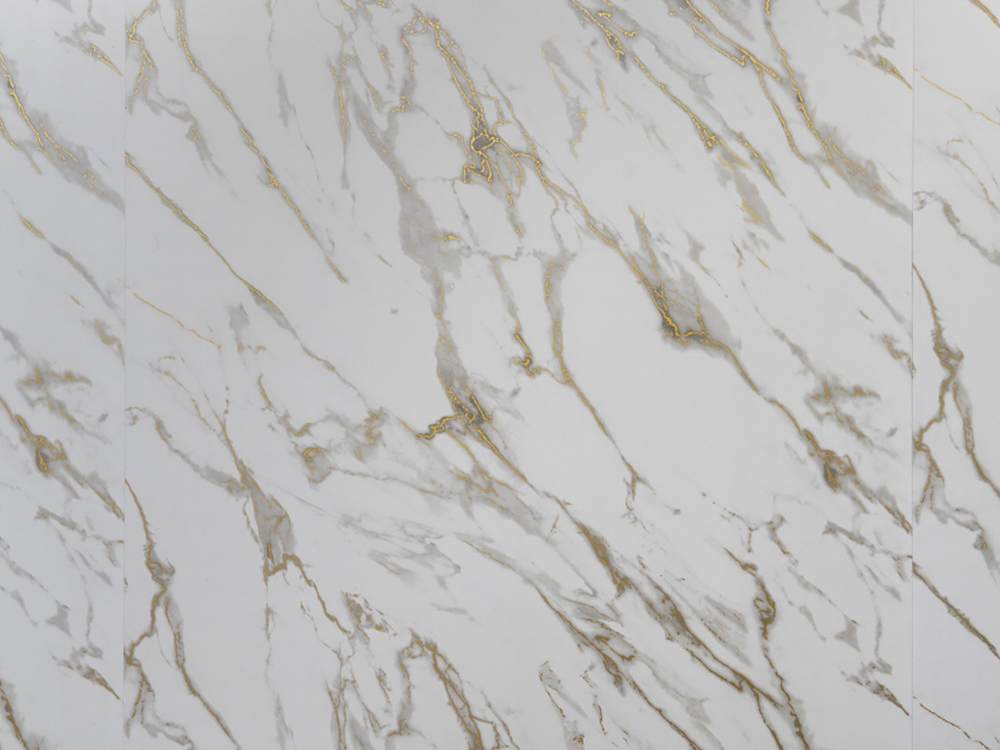
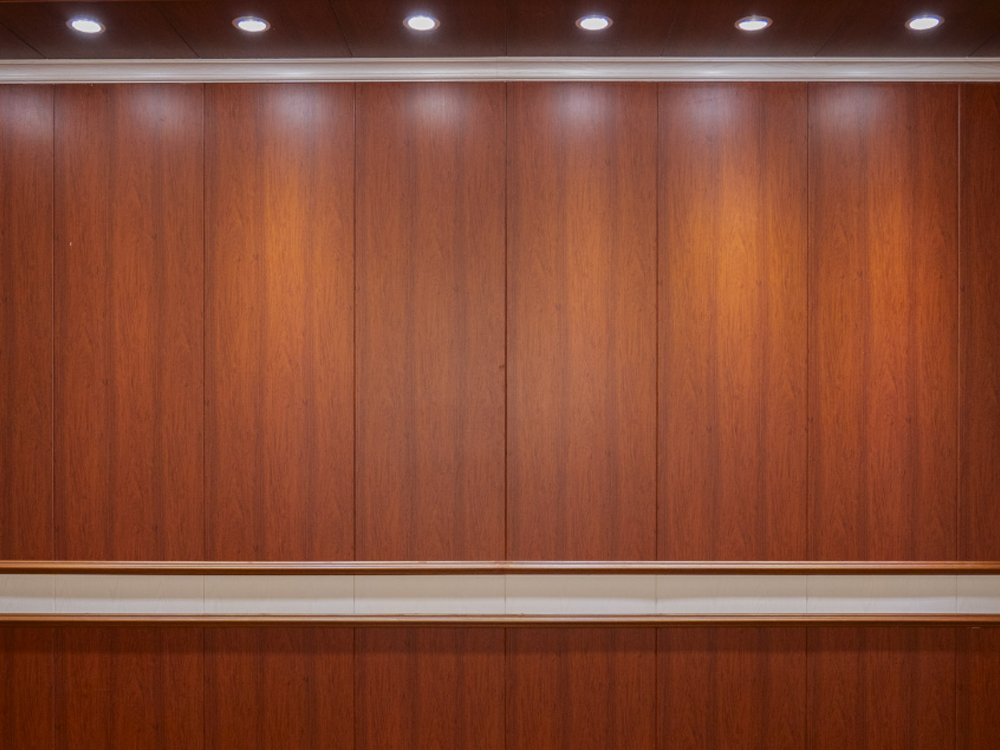
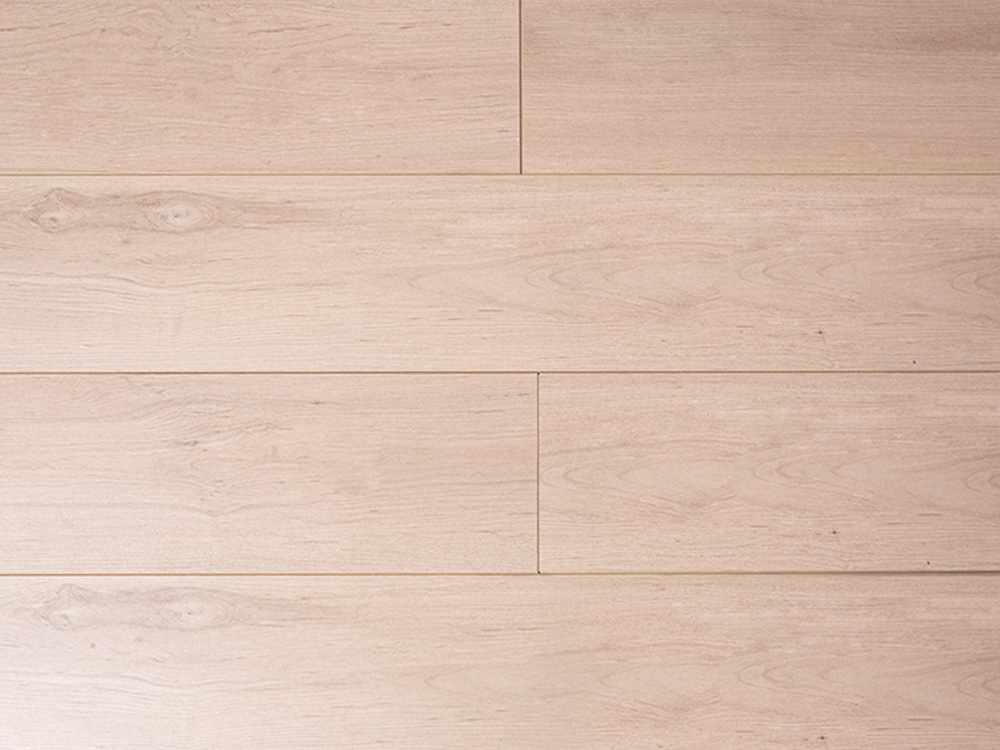
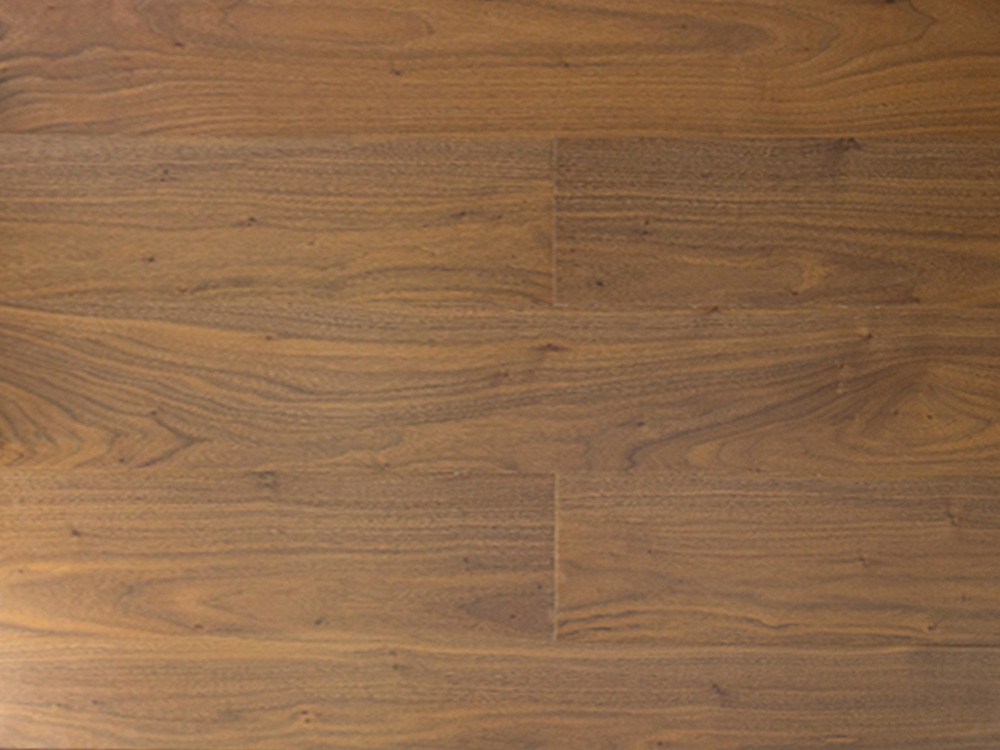
Fast-Installation Wall Panels typically come with pre-finished surfaces, including decorative laminates, textured coatings, or printed designs. This removes the need for additional finishing steps such as painting, sealing, or polishing after installation.
Because the finish is factory-applied, quality is consistent across all panels. Installers do not need to return for touch-ups, and the project can move directly to the next construction phase, saving both time and labor costs.
Fast-Installation Wall Panels are designed around modular installation logic. Panels are installed in a defined sequence, often from one corner or reference line, ensuring predictable progress. This modular approach simplifies planning and allows teams to divide work efficiently.
Because each panel is standardized, multiple installers can work simultaneously on different wall sections without interfering with each other. This parallel workflow significantly shortens overall project timelines.
Another factor enabling rapid installation is the reduced need for specialized tools or highly skilled labor. Most Fast-Installation Wall Panels can be installed using basic hand tools, measuring equipment, and simple cutting tools for edge adjustments.
Clear installation guidelines and intuitive connection systems reduce the learning curve. This allows contractors to train crews quickly and maintain consistent installation speed across different projects.
| Method | Installation Time | Drying Required |
| Fast-Installation Wall Panel | Short | No |
| Plaster and Paint | Long | Yes |
| Ceramic Tile | Moderate to Long | Yes |
In renovation scenarios, speed is often the primary requirement. Fast-Installation Wall Panels excel because they can be installed over existing walls with minimal demolition. This reduces noise, dust, and waste while accelerating project completion.
For occupied buildings, this efficiency minimizes disruption and allows spaces to return to normal use quickly, reinforcing the practical value of rapid-installation systems.
Fast-Installation Wall Panels meet the growing demand for shorter construction schedules and higher productivity. By combining prefabrication, integrated connections, dry installation, and modular design, they transform wall installation into a streamlined process.
This approach not only saves time but also improves consistency and predictability. As construction projects increasingly prioritize efficiency and flexibility, fast-installation wall panels continue to gain relevance across residential, commercial, and industrial applications.



 皖公网安备34182102000331号
 Indoor Plastic Wood Flooring Manufacturers

 English
 Español
 Deutsch