

AngL0306@outlook.com
Content
Fast-installation wall panels are pre-fabricated building components designed to simplify and accelerate the construction process. Unlike traditional walls, which require multiple stages of assembly, finishing, and curing, these panels are manufactured in controlled environments and can be quickly mounted on site. This efficiency reduces labor costs, minimizes project timelines, and enhances quality control, making them increasingly popular in modern architecture.
Their application spans residential, commercial, and industrial projects, offering architects and builders a flexible solution that meets both aesthetic and functional requirements. From modular housing to office buildings, fast-installation wall panels provide a reliable method for achieving durable, energy-efficient, and visually appealing structures.
The widespread adoption of fast-installation wall panels is driven by several key features that directly address challenges in contemporary construction:
Fast-installation wall panels offer substantial efficiency gains by streamlining the construction process. Traditional wall assembly involves brick or block placement, mortar curing, and multiple finishing layers. Prefabricated panels eliminate many of these steps, enabling builders to complete structural walls in a fraction of the time.
From a financial perspective, reducing on-site labor hours translates to significant cost savings. Additionally, less material waste occurs because panels are produced in controlled factory environments where precise measurements and cutting techniques are applied. Projects using these panels often see lower overall budgets without compromising structural integrity or design quality.
For a mid-sized commercial building, conventional wall construction may take several weeks to complete. Utilizing fast-installation panels, the same walls can often be erected within days, allowing subsequent trades—such as electrical, plumbing, and finishing work—to begin earlier. This compressed schedule can be critical for projects with tight deadlines or phased occupancy requirements.
Beyond efficiency, fast-installation wall panels provide robust structural performance. Many panels are engineered with reinforced cores or high-strength materials that improve load-bearing capacity. Additionally, these panels often include integrated insulation or moisture barriers, enhancing thermal performance and contributing to long-term energy savings.
The controlled production environment ensures consistent panel quality, reducing the risk of structural defects often encountered in traditional on-site construction. This uniformity also simplifies maintenance and increases the overall lifespan of the building.
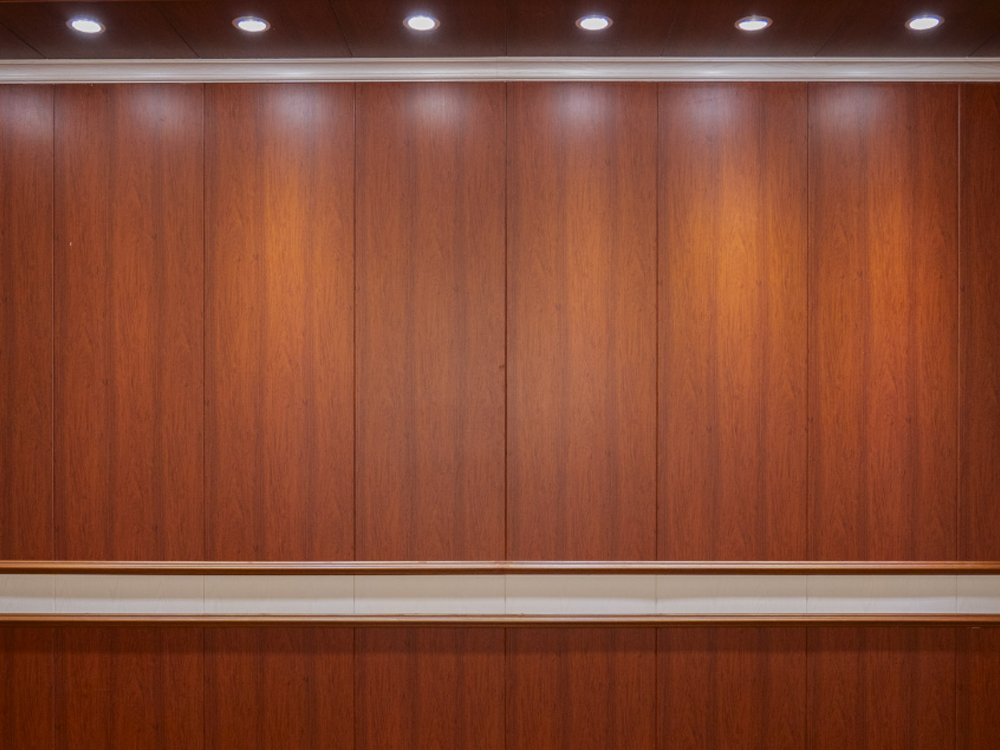
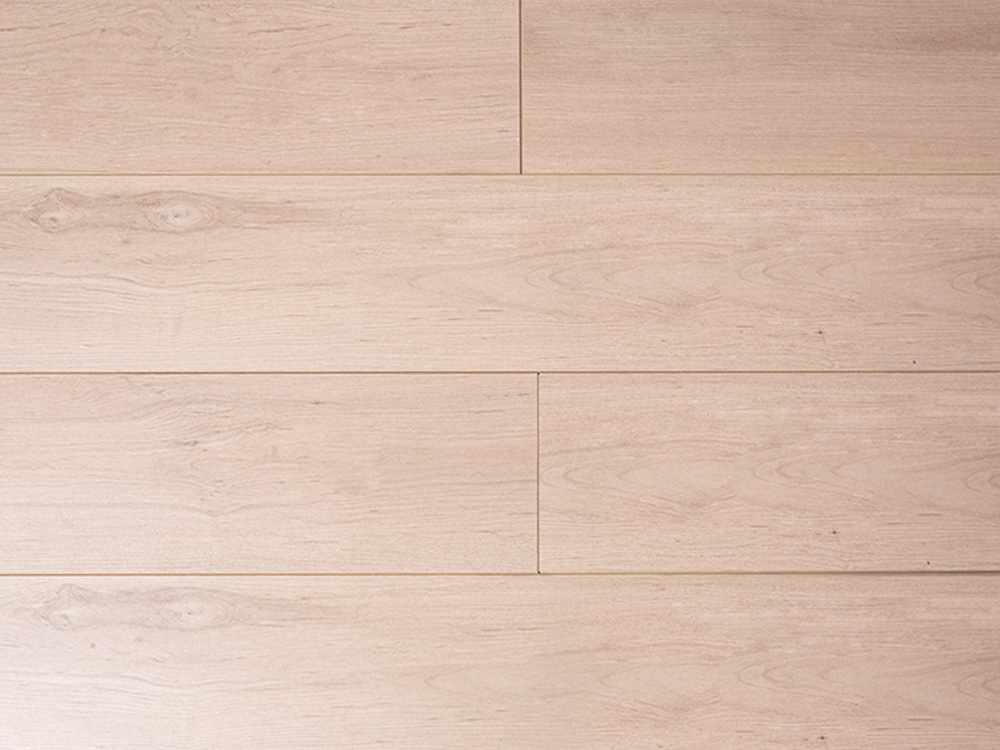
Modern architects are increasingly drawn to fast-installation wall panels due to their versatile design options. Panels can be manufactured in a variety of textures, colors, and finishes, ranging from smooth painted surfaces to simulated wood, stone, or metal. This versatility allows architects to achieve contemporary designs without the time and cost constraints associated with traditional materials.
Additionally, modular dimensions allow panels to be customized for openings, window frames, and service channels, further reducing on-site adjustments and ensuring seamless integration with other building components.
Fast-installation wall panels are suitable for a wide range of building types, making them a flexible choice for multiple construction sectors:
| Method | Installation Time | Labor Requirement | Energy Efficiency |
|---|---|---|---|
| Traditional Brick/Block Walls | Weeks | High | Medium |
| Precast Concrete Panels | Days | Medium | High |
| Fast-Installation Wall Panels | Hours to Days | Low | High |
Fast-installation wall panels support sustainable construction by reducing material waste, lowering energy consumption during production, and integrating eco-friendly insulation materials. Additionally, faster construction timelines reduce emissions associated with prolonged on-site machinery use, making these panels an environmentally responsible choice.
Fast-installation wall panels are gaining popularity in architecture because they combine speed, cost-efficiency, structural integrity, energy performance, and design flexibility. Their ability to accelerate construction while maintaining high-quality results addresses the needs of modern builders, architects, and clients alike.
As the construction industry continues to prioritize efficiency, sustainability, and modularity, fast-installation wall panels are poised to play an increasingly important role in shaping the future of building design and execution.


 皖公网安备34182102000331号
 Indoor Plastic Wood Flooring Manufacturers

 English
 Español
 Deutsch