

AngL0306@outlook.com
Content
WPC (Wood Plastic Composite) is a hybrid material made from wood fiber, thermoplastic polymers, and bonding agents — engineered to combine the natural look of wood with the durability of plastic. It's widely used for both flooring and outdoor wall cladding, and for good reason: it resists moisture, rot, and insects far better than solid timber while maintaining a warm, natural aesthetic.
Typical WPC products contain 50–70% wood fiber blended with polyethylene, polypropylene, or PVC. The ratio directly affects performance — higher wood content gives a more natural feel but slightly less moisture resistance, while higher plastic content improves waterproofing at the cost of a more synthetic appearance.
Whether you're evaluating WPC floors for an interior space or WPC wall panels for an outdoor facade, understanding the material's composition helps you make a smarter purchase decision — and avoid products that won't hold up in your specific environment.
WPC flooring has grown into one of the fastest-expanding flooring categories globally. It outperforms standard LVP (Luxury Vinyl Plank) and laminate in several practical areas that matter most in real-world use.
Unlike laminate flooring, which swells and buckles when exposed to standing water, WPC flooring has a 100% waterproof core. This makes it suitable for kitchens, bathrooms, basements, and laundry rooms where moisture exposure is frequent. Independent lab tests show WPC planks can withstand submersion for up to 24 hours with no measurable swelling — a standard that most laminate products fail at 30 minutes.
WPC floors feel noticeably softer underfoot compared to stone plastic composite (SPC) floors because the foamed WPC core adds cushioning. Most WPC planks measure 5–8mm thick with an attached underlayment, providing better sound absorption — typically reducing impact noise by 18–22 dB depending on the product. This makes WPC an excellent choice for upper-floor apartments or homes with children.
WPC flooring is compatible with underfloor heating systems in most cases, though it performs best when water temperature stays below 27°C (80°F). Its composite structure has a lower thermal expansion rate than solid hardwood — roughly 0.04mm per meter per degree Celsius — meaning fewer gaps or buckling issues across seasonal temperature changes.
| Feature | WPC Flooring | Laminate | SPC Flooring | Solid Hardwood |
|---|---|---|---|---|
| Waterproof | Yes | No | Yes | No |
| Underfoot comfort | High | Medium | Low–Medium | Medium |
| Suitable for wet rooms | Yes | No | Yes | No |
| UFH compatible | Most products | Limited | Yes | Check grade |
| Typical lifespan | 15–25 years | 10–15 years | 20–30 years | 30–80+ years |
WPC outdoor wall panels are specifically engineered to withstand UV exposure, rain, humidity, and temperature cycling — conditions that would cause painted wood siding to crack, warp, or rot within a few years. They're used for exterior facade cladding, garden walls, privacy screens, balcony panels, and pergola side walls.
Outdoor-grade WPC panels differ from interior WPC in several important ways. They incorporate UV stabilizers to prevent color fading, anti-fungal additives to resist mold in damp climates, and co-extrusion technology in premium products — where a solid polymer shell encases the wood-fiber core, dramatically improving moisture and impact resistance.
Not all WPC outdoor panels offer the same protection level. The manufacturing method is the most critical variable:
For outdoor wall applications where panels face direct rain and sun, investing in co-extruded WPC typically adds 15–25% to material cost but can double the effective service life.
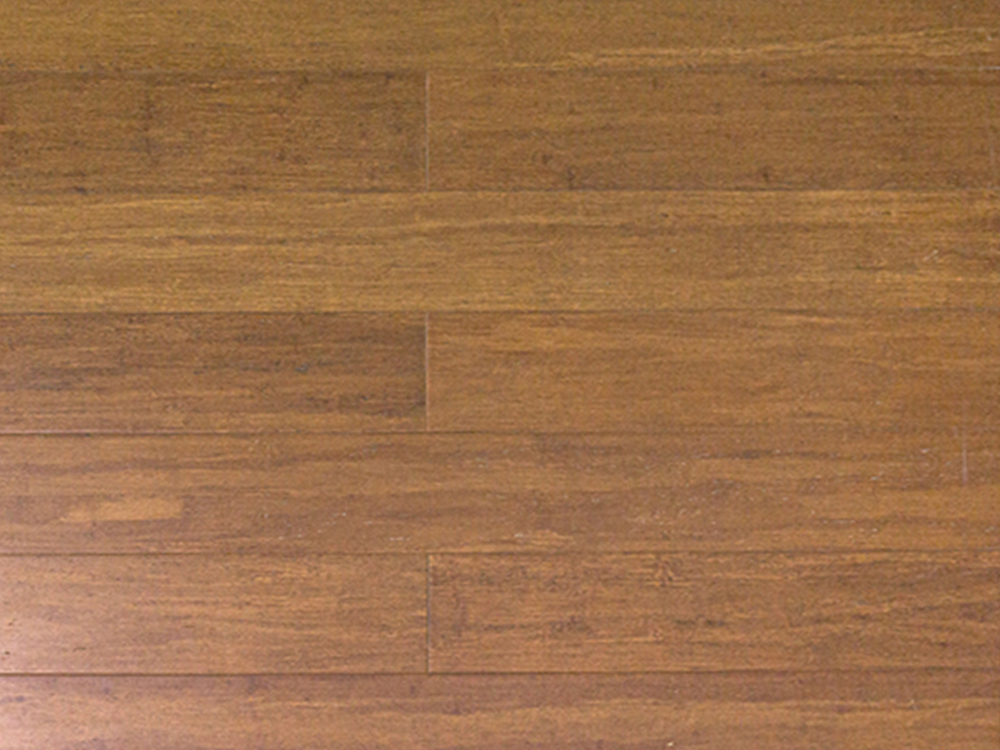
WPC outdoor wall panels come in several profile configurations, each suited to different aesthetic and structural goals:
Both WPC floors and outdoor wall panels are designed for straightforward installation, but the methods differ significantly. Understanding the process helps you plan labor costs and timelines accurately.
Most WPC flooring uses a floating click-lock system — no glue or nails required. Planks interlock along the edges and can be installed directly over most existing floors, including tile and concrete, provided the subfloor is level within 3mm per 1.8 meters.
A skilled DIYer can typically install 20–30 m² per day. Professional installers often achieve 40–50 m².
Outdoor wall panels require a subframe — typically aluminum or galvanized steel channels fixed horizontally to the wall structure. Panels then clip or screw onto the subframe. Key considerations:
Marketing descriptions for WPC products are often vague. Focus on these measurable specifications when comparing products or requesting quotes from suppliers:
| Specification | WPC Flooring Target | WPC Outdoor Wall Panel Target |
|---|---|---|
| Wear layer thickness | ≥ 0.5mm residential; ≥ 0.7mm commercial | N/A (surface cap matters) |
| Total thickness | 6–12mm typical | 18–25mm typical |
| Water absorption rate | < 0.5% | < 1% (co-ex); < 5% (standard) |
| UV resistance rating | Class 6+ (ISO 105-B02) | Class 6+ (ISO 105-B02) |
| Surface hardness | ≥ 1500 N/mm² Brinell | Flexural strength ≥ 20 MPa |
| Fire rating | Class Cfl-s1 or better | Class D or C (EN 13501-1) |
| Warranty offered | 15–25 years (quality brands) | 10–25 years |
Always ask for third-party test certificates, not just supplier claims. Credible WPC manufacturers will provide EN 15534 (European composite standard) compliance documentation or equivalent national certifications.
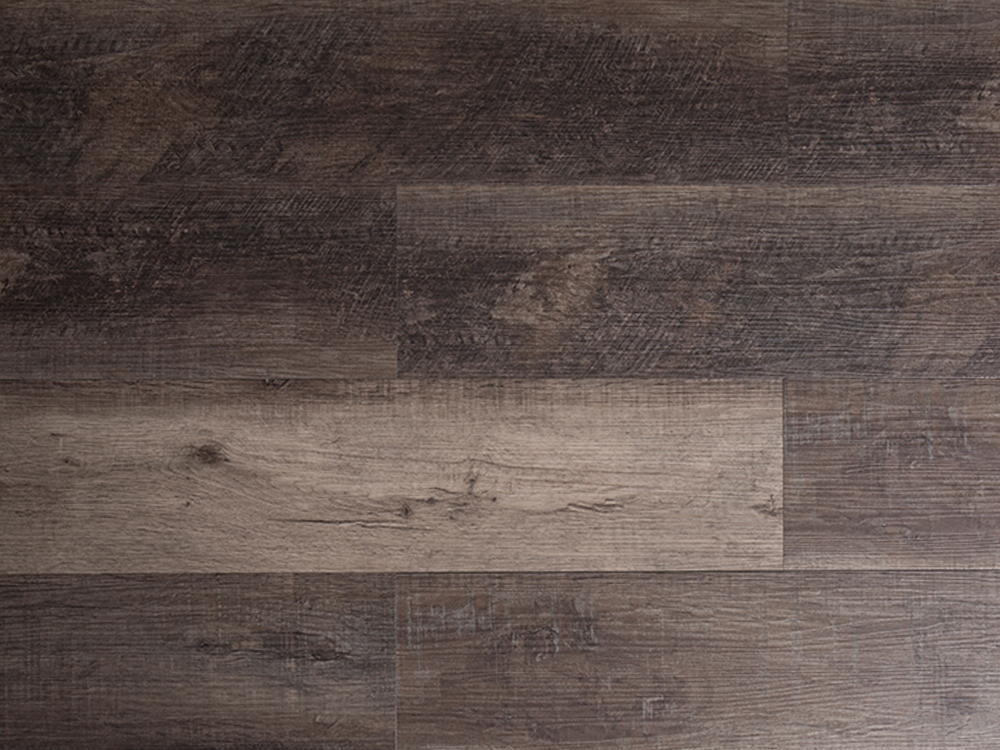
Pricing varies significantly by product quality, region, and whether you include installation labor. These ranges reflect typical retail and trade supply prices in Western European and North American markets as of 2024:
Budget-level WPC products from unverified sources may appear attractively priced at €10–€12 per m², but products without documented UV stabilizers or adequate wear layers often fade and deteriorate within 3–5 years outdoors, making the total cost-per-year significantly higher than a quality product bought once.
One of WPC's strongest selling points is its low maintenance profile compared to natural wood. No sanding, staining, or annual sealing is required — a significant cost and time saving over a 20-year lifespan.
WPC is a strong performer across many scenarios, but it's not universally the best material. Use this guide to make an honest assessment:


 皖公网安备34182102000331号
 Indoor Plastic Wood Flooring Manufacturers

 English
 Español
 Deutsch