

AngL0306@outlook.com
A hotel refurbishment can release a 1,200 square meter LVT order only to discover, three weeks before installation, that one production lot has tighter click joints than the next. The pattern is correct and the color is close. The problem sits deeper in LVT production: wear layer thickness, calendering temperature, lamination pressure, annealing, and profile milling have to stay inside a narrow window from roll to roll. That is why a useful supplier audit starts with layer control and in-process measurement.
LVT production is a controlled assembly of functional layers followed by cutting, profiling, and testing. Good factories treat each layer as a specification, not a recipe. Buyers who understand the line can ask better questions about tolerances, lot consistency, and the real cost of a lower wear layer or a faster cooling cycle.
Content
Luxury vinyl tile is not a single sheet of printed vinyl. A typical construction stacks a wear layer, a print film, a vinyl core, and a backing or balancing layer. The wear layer provides abrasion resistance, the print film supplies the visual, the core gives indentation resistance and flexibility, and the backing controls dimensional behavior and installation method.
The most useful number on a specification sheet is not total thickness alone. Wear layer thickness, usually expressed in millimeters or mil, has a direct effect on commercial wear and cleaning risk. A 0.3 mm wear layer and a 0.7 mm wear layer can share the same overall thickness, yet they serve different traffic conditions. Ask how the wear layer is measured, how often it is sampled, and whether the figure is nominal or minimum.
Every interface in the stack is a potential delamination point. Heat, pressure, line speed, and surface contamination all influence bond strength. A factory that records lamination temperature and pressure for each lot is easier to audit than one that shows only a final product certificate.
The sequence below is a practical frame for a factory visit or a video audit. Equipment varies, but the control points remain similar.
Dry-back LVT is glued to the substrate. Production focuses on flatness, clean back surface, and dimensional stability, because adhesive coverage and substrate preparation do much of the final work. A dry-back tile that curls at the edges is difficult to flatten with adhesive alone.
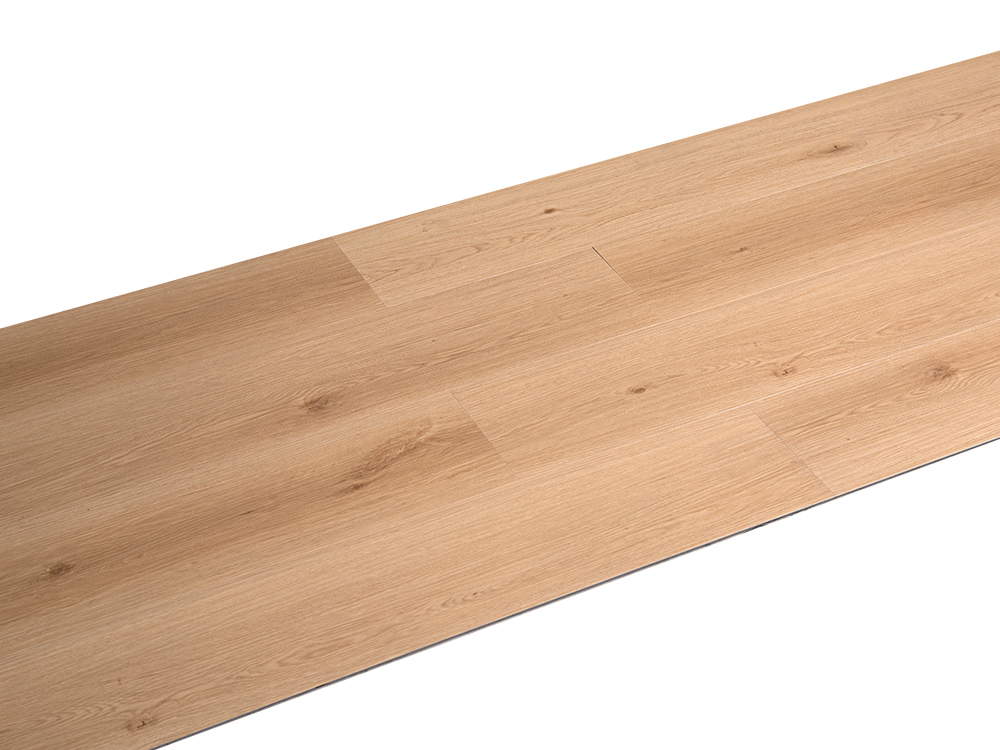 Dry-Back LVT for Glued Commercial and Residential FloorsGlued PVC tile with wear layer and printed film, suited to flat substrates and high-traffic interiors; review thickness, installation, and certification details.View Product →
Loose-lay LVT usually adds a dimensionally stabilizing layer and a back designed to grip the substrate. The production challenge is balance: enough flexibility to lie flat, enough memory to stay in place, and enough squareness to keep seams tight without adhesive.
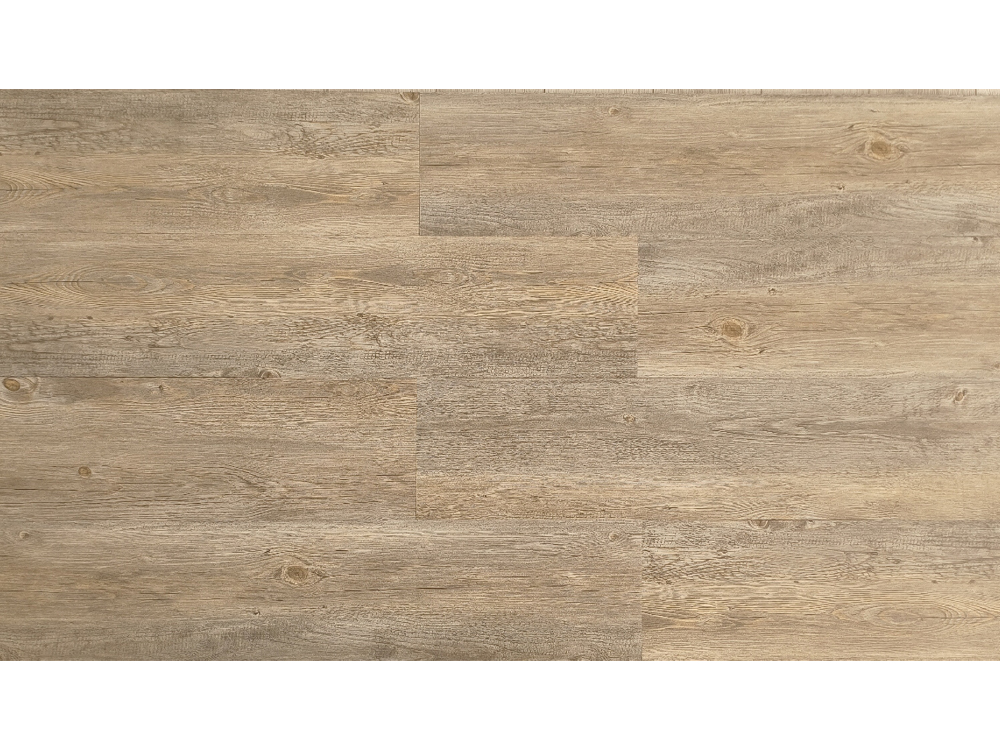 Loose-Lay LVT with Honeycomb Backing for Adhesive-Free Installations4-5 mm vinyl tile with self-adhesive honeycomb backing, waterproof and slip-resistant for schools, hospitals, and commercial interiors; check sample performance data.View Product →
Click-lock LVT adds a machined locking edge. The lamination line can be perfect and the product still fail if the profile is cut with worn tooling or the core is too soft for the joint. Ask for joint gap and locking strength checks after conditioning, not only at the end of the line.
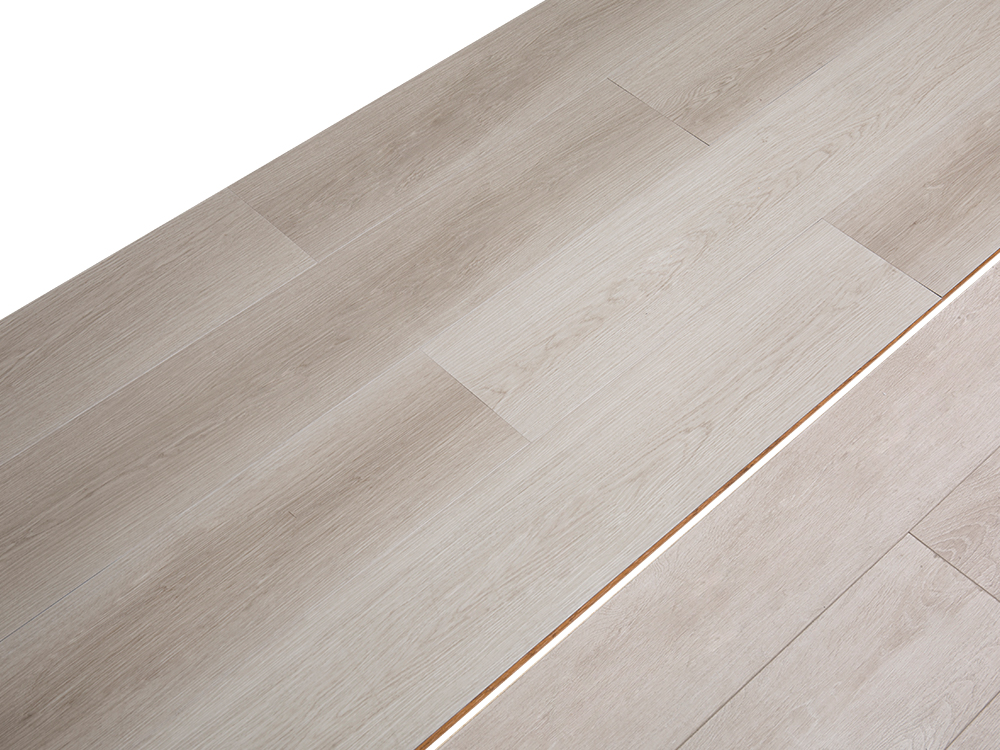 Click-Lock LVT for Fast Adhesive-Free High-Traffic Flooring3.5-5 mm locking vinyl tile with PVC core and wear layer, suited to fast residential and commercial installation; examine joint, warping, and certification data.View Product →
| LVT construction | Production priority | What to verify | Typical use |
|---|---|---|---|
| Dry-back | Flat core and clean back | Dimensional stability, adhesive compatibility, edge curl | Glue-down commercial and retail floors |
| Loose-lay | Balanced tension and back grip | Squareness, curling after acclimation, seam tightness | Fast retrofit and occupied spaces |
| Click-lock | Precise milling and core hardness | Joint gap, locking strength, lip height, wear layer | Residential and light commercial floating floors |
Ask for a written control plan, not just a certificate. The plan should state the property, test method, sampling frequency, and action taken when a result drifts. A useful conversation covers overall thickness, wear layer, dimensional stability after heat exposure, bond strength between layers, joint gap for click products, gloss level, and color difference under agreed lighting.
Tolerance should match the installation method. A dry-back floor can absorb minor thickness variation if adhesive coverage is controlled. A click floor cannot. A control plan tied to product construction is more useful than a single “standard tolerance” copied from a brochure.
Production scheduling matters as much as line speed. A factory running multiple colors and constructions on shared lines needs clear changeover procedures to prevent print film mix-ups and cross-contamination. Ask how it sequences light and dark colors, how it controls lot numbers, and how it handles repeat orders six months later.
Swanflor, the export brand of Anhui Hanhua Building Materials Technology Co., Ltd., reports more than 6 million square meters of annual flooring capacity and a production history dating to 1992. Its LVT range includes dry-back, loose-lay, and click-lock constructions, so a buyer can compare three process routes under one quality system rather than mixing suppliers. The company states that most products are exported to the United States, Australia, and the European Union, and that quality and environmental performance exceed EU standards. Those claims are a starting point for an audit, not a substitute for one.
For export orders, confirm packaging compression, pallet pattern, container humidity, and acclimation instructions. Even well-controlled LVT production can be undermined by poor site storage or wrong maintenance, so agree flooring maintenance methods with the buyer before shipment.
A buyer does not need to run the line to evaluate LVT production. Ask for the layer stack, the control plan, the sampling frequency, and lot traceability. Then compare those answers with the installation method, the traffic load, and the replacement cost if a lot fails. That comparison tells you more about production discipline than a showroom sample ever will.


 皖公网安备34182102000331号
 Indoor Plastic Wood Flooring Manufacturers

 English
 Español
 Deutsch