

AngL0306@outlook.com
Two LVT samples can both be labeled 5 mm thick and still feel completely different underfoot. One flexes at the edges, clicks loosely, and telegraphs every bump in the subfloor. The other feels solid, locks tightly, and stays flat across a busy room. The difference is not a single number. LVT flooring thickness is a set of specifications: total thickness, wear layer thickness, and core or backing construction. The practical conclusion is simple: choose thickness by traffic, subfloor condition, installation method, and maintenance plan, not by the thickest label on the carton.
Most LVT products fall between 2 mm and 8 mm in total thickness, with wear layers commonly ranging from 6 mil to 30 mil. A 4.5 mm click-floor with a 20 mil wear layer will usually outlast a 6 mm floor with a 6 mil wear layer in a commercial entryway. Thickness matters, but it matters in layers.
Content
When a supplier quotes LVT thickness, ask which thickness they mean. Total thickness is measured from the top surface to the back of the plank or tile. Wear layer thickness is the clear top layer that takes foot traffic, grit, and cleaning chemicals. Core and backing thickness affect stiffness, indentation resistance, sound, and how well the floor bridges minor subfloor variation. These numbers work together, but they are not interchangeable.
| Specification | Typical range | What it changes | What to verify |
|---|---|---|---|
| Total thickness | 2 to 8 mm (0.08 to 0.31 in) | Stiffness, lock profile, floor height, transitions | Caliper readings at several points from each carton; written tolerance |
| Wear layer | 6 to 30 mil (0.15 to 0.76 mm) | Abrasion resistance, stain cleanability, warranty | Mil versus micron; coating type; traffic class |
| Core and backing | About 1.5 to 5 mm | Indentation, dimensional stability, sound | Density, plasticizer, delamination, flatness after conditioning |
A thicker LVT usually feels more solid and hides small subfloor imperfections better than a thin dry-back tile. That does not mean it wears longer. In most projects, the wear layer sets the abrasion limit, while the core sets the indentation and stability limit. A thick floor with a soft core can still dent under a heavy display fixture.
For light residential use, a 6 to 12 mil wear layer is common. Family homes and light commercial spaces often move to 12 to 20 mil. Retail, offices, clinics, and other busy areas generally justify 20 mil or higher, especially where grit and rolling loads are present. The core must support that wear layer; otherwise the surface may crack or delaminate before the wear layer is worn through.
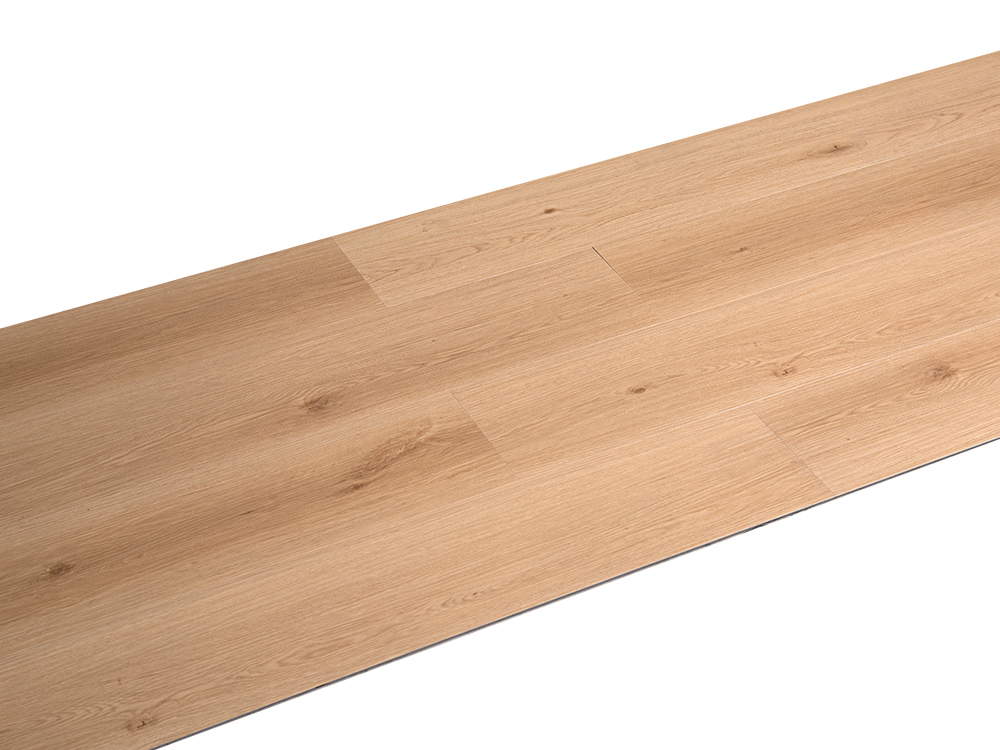 Dry Back Glue-Down LVT FlooringA thin glue-down PVC tile with wear-layer options and sound absorption, suited to flat substrates where low floor height and stable installation matter.View Product →
Thickness changes how a floor sounds and feels. A 4 mm glue-down LVT can be quiet and stable on a flat slab, but it offers little cushioning. A 6 mm floating floor with an attached underlay may feel warmer and reduce hollow sound, although it can also move more at doorways and transitions. For upper floors, impact noise control usually depends more on the underlay and building structure than on LVT thickness alone.
Thin LVT follows the subfloor closely. Thick rigid LVT bridges minor dips, but it cannot fix a crowned slab or a failing patch. Click floors are especially sensitive: a 5 mm or 6 mm plank may feel stiff, yet the locking joint can still fail if the floor is not flat within the manufacturer's tolerance. Always compare thickness with flatness requirements, not in isolation.
Start with the room, then choose thickness. A rental unit, a spare bedroom, and a hotel lobby do not need the same floor. The list below gives a practical starting point for LVT selection.
If the budget is fixed, protect the wear layer before adding total thickness. A 5 mm floor with a 20 mil wear layer is often a better commercial choice than a 6.5 mm floor with an 8 mil wear layer. Thickness should serve the traffic; it should not become a decorative number on a data sheet.
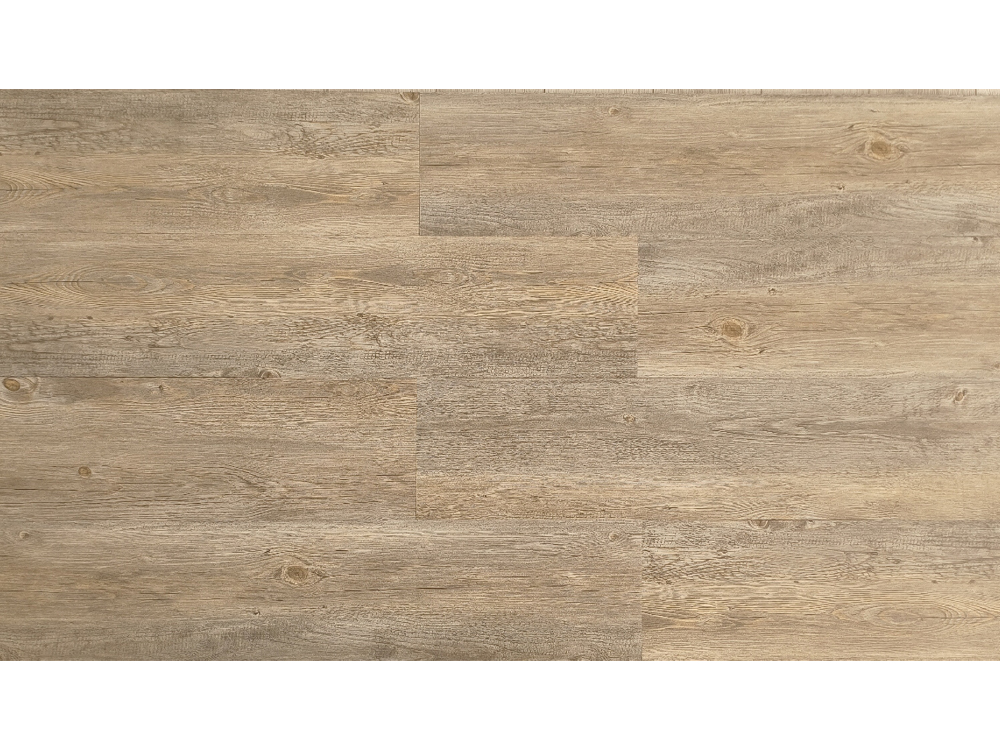 Loose Lay LVT with Self-Adhesive Honeycomb BackingA 4–5 mm loose-lay tile for fast, low-glue installation, with slip-resistant surface and honeycomb backing for high-safety interiors on flat substrates.View Product →
Installation method changes what thickness is practical. Glue-down dry-back LVT can be as thin as 2 to 3 mm, which keeps floor height low and suits renovation work where door clearances are tight. Loose-lay LVT is often 4.5 to 6 mm and can be faster to install, but it needs a very flat substrate and careful perimeter detailing. Click-lock LVT commonly sits around 5 to 8 mm; the extra thickness supports the locking profile and helps the floor span minor irregularities.
Do not choose a thick click floor to avoid subfloor preparation. The lock can carry foot traffic, not a hump in the slab. Check flatness with a straightedge, repair cracks and delamination, and test moisture before installation. A thin glue-down floor on a properly prepared slab will usually perform better than a thick floating floor on a poor substrate.
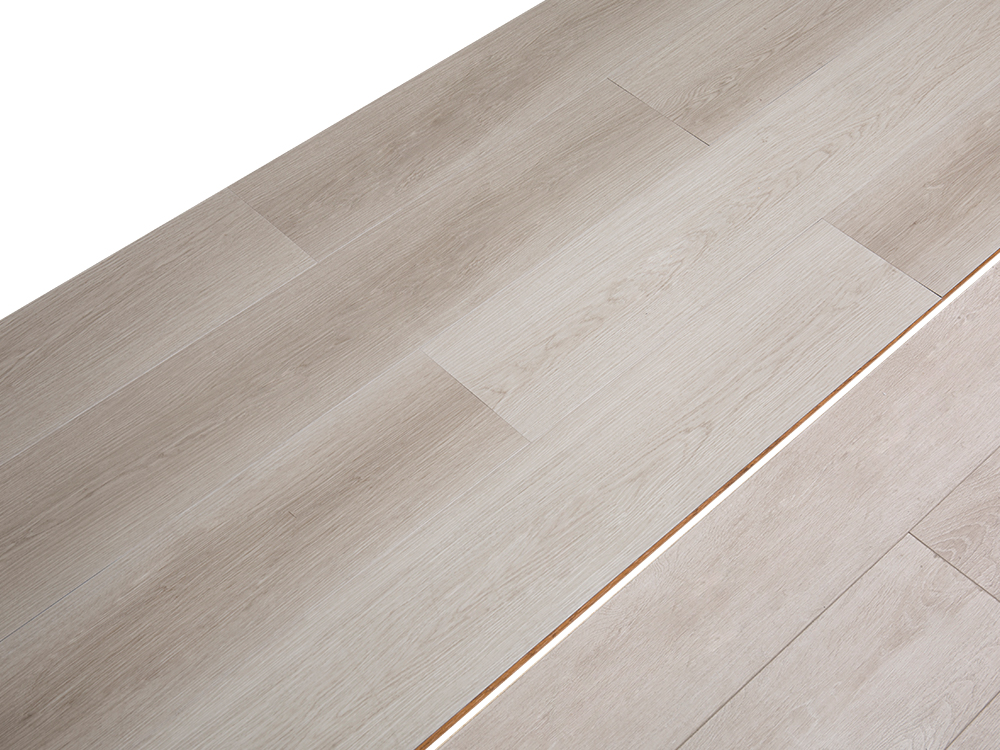 Click Lock LVT Flooring with Unilin Locking SystemA quick-install click LVT with waterproof PVC core and wear layer; check flatness, tolerances and batch consistency before specifying it for busy interiors.View Product →
LVT data sheets often look similar because the same headline numbers appear on every page. The differences show up in tolerances, test methods, and batch consistency. Before placing a container order, verify the following points.
Also check transitions and accessories early. A thicker floor may require a different reducer, skirting, or stair nosing. A thin glue-down floor may need extra patching compound to meet flatness requirements. These details affect labor cost as much as the flooring itself.
LVT flooring thickness is best read as a specification package, not a single ranking. Use total thickness for floor height, stiffness, and installation geometry. Use wear layer thickness for traffic and abrasion. Use core construction for indentation, stability, and sound. When two products look equal on the sample board, ask for caliper measurements, wear layer units, joint test data, and flatness requirements. That is how a buyer avoids paying for extra millimeters that do not improve performance, and how a project gets a floor that still looks right after the first busy season.


 皖公网安备34182102000331号
 Indoor Plastic Wood Flooring Manufacturers

 English
 Español
 Deutsch