

AngL0306@outlook.com
A retail fit-out is scheduled for a weekend shutdown. The existing vinyl floor is worn at the checkout lanes, but the store cannot close for a week while adhesive cures. The project team wants a floor that can be laid over a prepared slab, walked on the same day, and repaired in sections later. That is the scenario where loose lay vinyl flooring earns its place.
The conclusion up front: loose lay vinyl flooring is a strong choice for fast-turnaround commercial and residential projects when the subfloor is flat, dry, and clean, and when the planks or tiles are specified with a proper friction backing and dimensionally stable core. It is not a shortcut around subfloor preparation, and it is not the right product for every wet area. The difference between a successful installation and a call-back usually comes down to flatness, acclimation, perimeter gaps, and backing quality.
Content
Loose lay vinyl flooring is a resilient vinyl plank or tile format that relies on friction, weight, and a high-friction backing to stay in place without full-spread adhesive. Most products use a dense vinyl core, a printed wear layer, and a backing designed to grip the subfloor. Installation is usually faster than glue-down because there is no adhesive open time, no trowel grade to control, and no curing window before foot traffic.
The important distinction is that loose lay is not the same as a thin floating sheet. Good loose lay planks are rigid enough to resist curling at the edges, square enough to keep seams tight, and heavy enough to remain stable under normal foot traffic. In multi-unit housing, retail, and office refurbishment, that combination reduces downtime and makes future access easier.
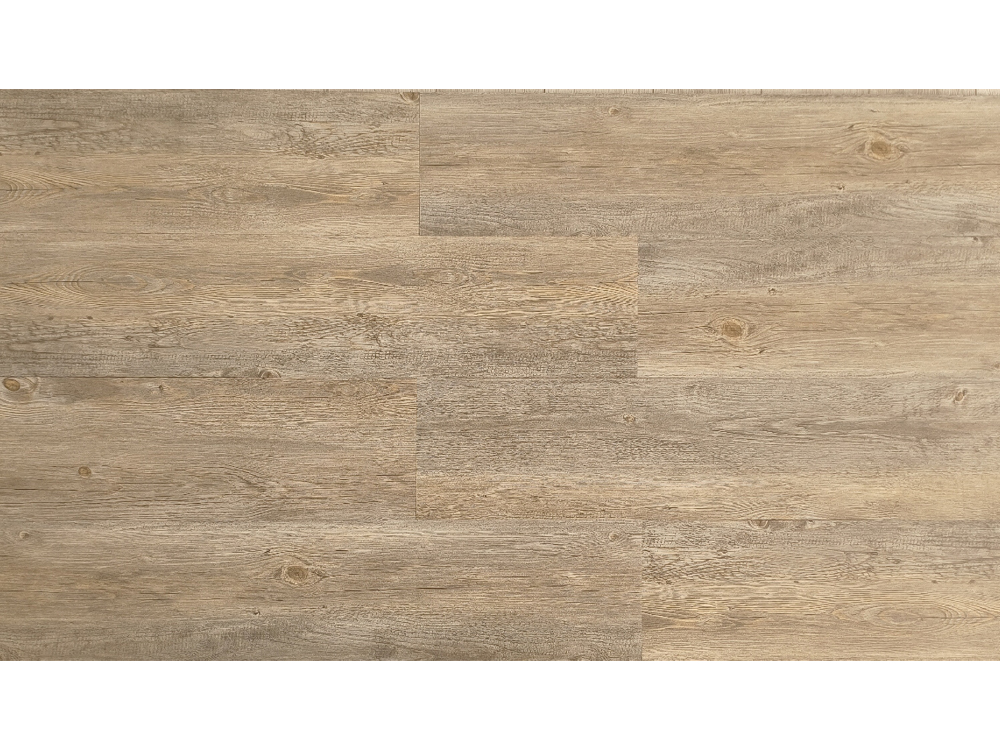 Loose Lay LVT FlooringThe anti-slip LVT flooring has a thickness of 4–5mm and features a self-adhesive honeycomb backing design, allowing installation without the need for locking mechanism...View Product →
The main advantage is schedule control. A loose lay floor can be installed, rolled, and returned to service much sooner than a full glue-down system, which matters when a tenant cannot lose trading days or when a landlord needs to turn a unit quickly.
Those benefits only hold when the substrate is suitable. A loose lay floor will telegraph small ridges, grit, and slab variation more readily than a thick underlayment system, so preparation quality remains the deciding factor.
Specifiers often compare these three methods on speed alone, but the better comparison is subfloor demand, repair access, and service condition. The table below gives a practical view.
| Method | Adhesive | Installation speed | Subfloor demand | Repair access | Best fit |
|---|---|---|---|---|---|
| Loose lay | None or perimeter tape | Fast | Moderate to high; flatness is critical | High; individual planks can be lifted | Fast-turnaround commercial and rental work |
| Glue-down | Full-spread adhesive | Slower due to cure time | Moderate; adhesive can bridge minor profile | Low to moderate; repair is more involved | High-traffic areas and approved wet systems |
| Click-lock | None | Fast | Moderate; locking joints need flat edges | Moderate; planks can be unlocked | Floating installations over suitable underlayment |
If the project needs the fastest possible return to service and the slab is already flat and dry, loose lay is usually the cleanest choice. If the space has heavy rolling loads, frequent water exposure, or a subfloor that cannot meet flatness tolerances, a glue-down system may be safer. Click-lock sits between the two: it is fast and repairable, but the locking profile still needs a stable, even substrate.
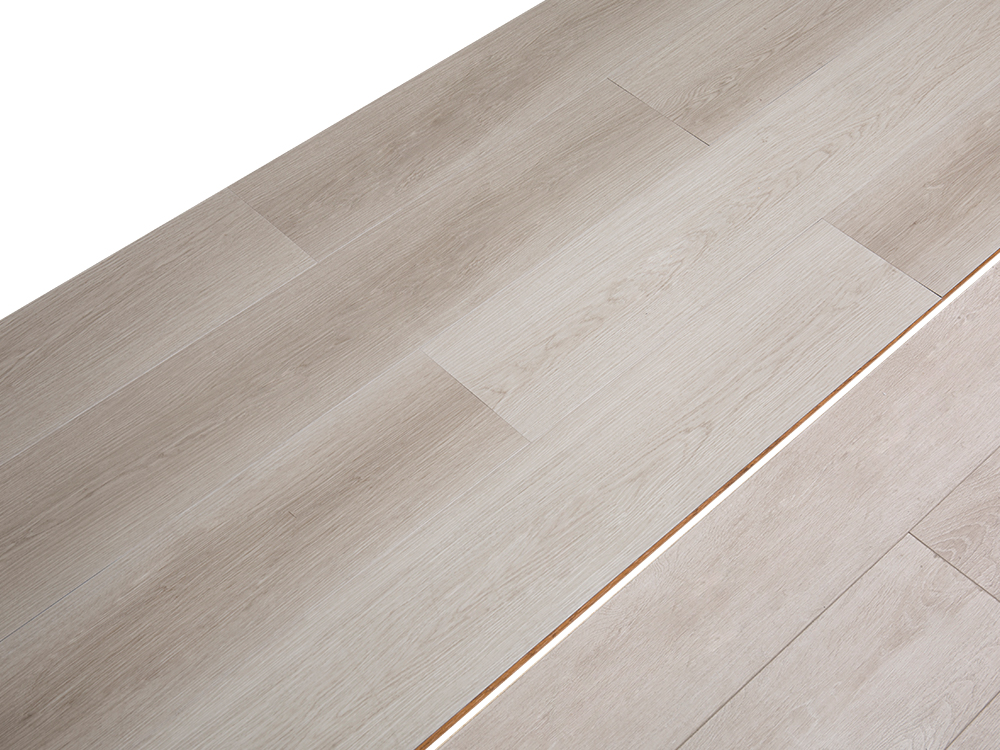 LVT Click Lock Flooring for Fast Adhesive-Free InstallationA quick, repairable click-lock option when the slab is flat and dry, with waterproof wear-resistant construction for high-traffic spaces.View Product →
Flatness and moisture are non-negotiable. A common specification is no more than 3 mm deviation over a 2 m straightedge, but always follow the manufacturer's written requirement for the specific product. Grit, cured adhesive lumps, and abrupt ridges must be removed, not covered.
A controlled sequence reduces call-backs. The steps are straightforward, but each one protects the next.
The most common mistakes are installing over a subfloor that feels flat but fails a straightedge check, skipping acclimation, cutting perimeter gaps too tight, and using the wrong roller weight. At doorways and transitions, use compatible decorative strip profiles rather than filling gaps with sealant.
Loose lay is not a universal replacement for glue-down. It is usually the wrong specification for bathrooms, laundry rooms, commercial kitchens, and other areas subject to standing water unless the manufacturer explicitly approves the system. It is also a poor fit where heavy rolling loads, frequent chair castors, or extreme temperature swings could move the floor.
For those conditions, a dry-back or full-spread adhesive LVT system gives more dimensional restraint. The trade-off is longer installation time and more difficult repair, but the service life is often more predictable in demanding spaces.
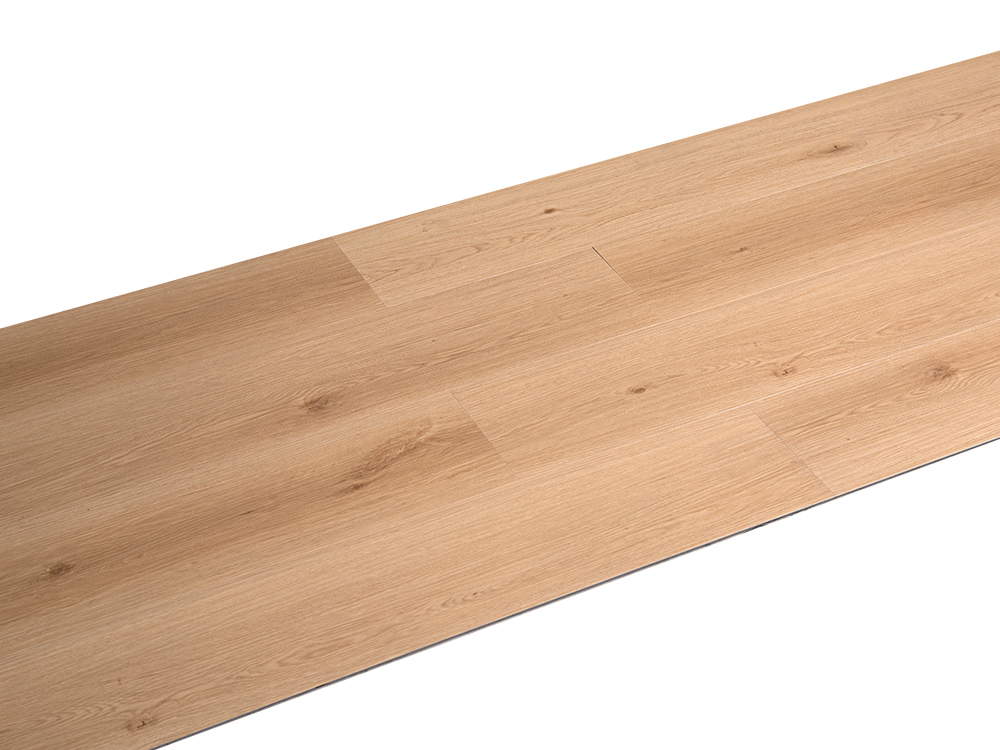 Dry Back LVT Flooring for Adhesive InstallationAn economical glue-down LVT for spaces needing extra dimensional restraint, with wear-resistant, waterproof performance and simple routine maintenance.View Product →
Maintenance is simple: dry sweep or vacuum to remove grit, damp mop with a pH-neutral cleaner, and avoid waxes or abrasive pads that dull the wear layer. Felt pads under furniture legs and a sensible entrance matting plan will prevent most surface damage. For deeper cleaning guidance, these flooring maintenance methods cover routine care without over-wetting the edges.
When a plank is damaged, loose lay has a practical advantage: the affected piece can often be lifted, cleaned, and replaced after the replacement plank has acclimated. That keeps repair costs local instead of turning a small impact damage into a full-floor replacement.
Before approving a sample, compare the product against the actual service condition, not just the showroom display. A loose lay floor that feels solid in a small sample may behave differently across a long, sunlit retail frontage.
Loose lay vinyl flooring works best when it is treated as a system: a stable product, a prepared substrate, a disciplined installation, and a realistic maintenance plan. Get those four elements right, and it delivers the speed and access that make it attractive in the first place.


 皖公网安备34182102000331号
 Indoor Plastic Wood Flooring Manufacturers

 English
 Español
 Deutsch