

AngL0306@outlook.com
Loose lay flooring is often sold as the fast option: roll it out, cut it in, and walk on it. In practice, the method works only when the floor is treated as a system. A 2 mm lippage at a seam, a subfloor that varies more than 3 mm across 2 m, or a tackifier that is incompatible with the backing can turn a one-day install into a callback. The useful question is not whether loose lay is better than glue-down, but whether this product, on this substrate, in this room, supports a loose-lay installation.
For buyers and specifiers, loose lay is an installation category, not a performance grade. Wear layer, backing, dimensional stability, and edge details still determine how the floor performs. That distinction matters when comparing quotes: two products can both be called loose lay and still require different adhesives, tolerances, and maintenance.
Content
Loose lay flooring usually refers to vinyl plank or tile that is held in place by friction, weight, and the backing rather than a full spread of adhesive. Some products are laid dry with only perimeter adhesive or a light tackifier; others are installed with adhesive at seams, edges, or under heavy traffic. The term is sometimes used loosely for glue-down products that are simply not floated, so always read the installation method on the technical data sheet.
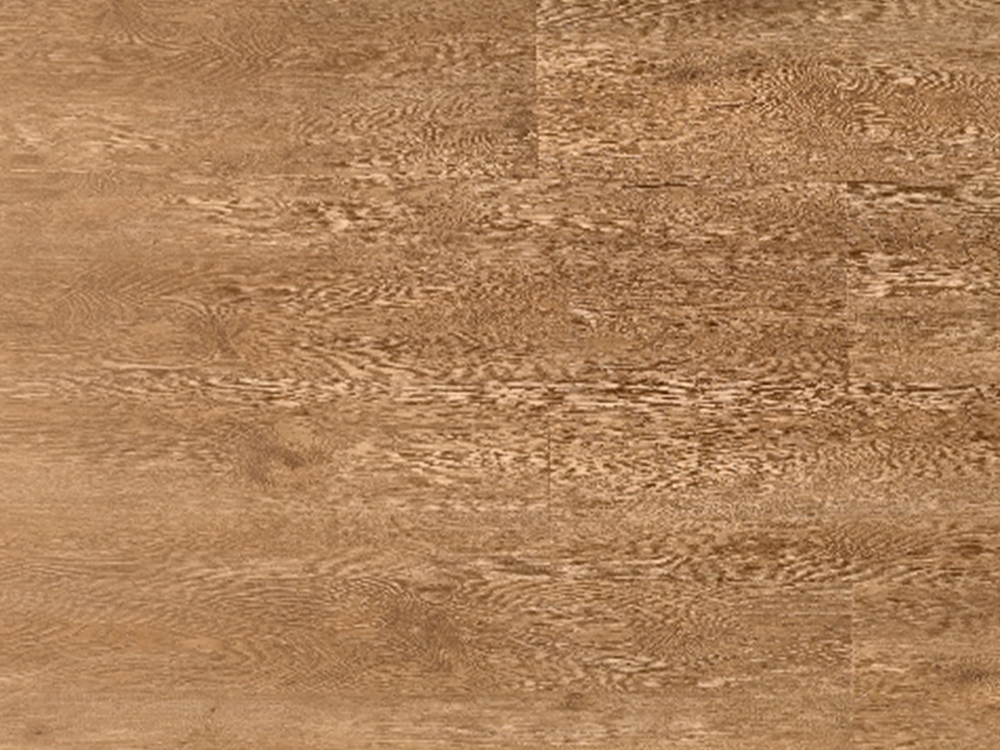
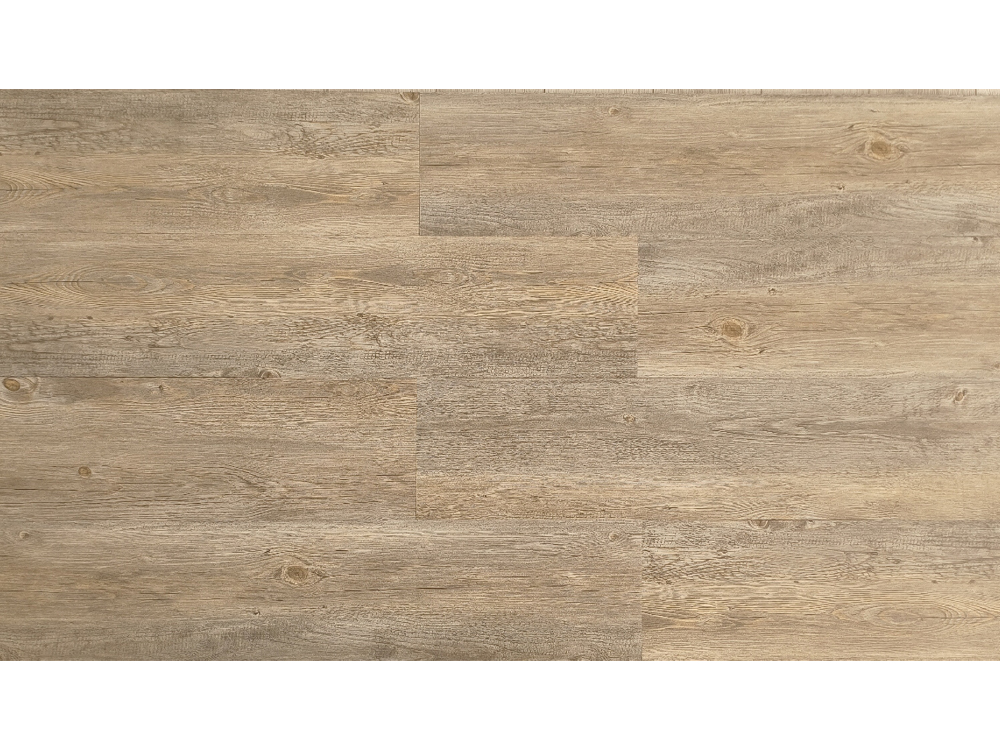 Loose Lay LVT Flooring with Honeycomb BackingLoose-lay LVT with a self-adhesive honeycomb backing and 4–5 mm thickness; check backing and wear layer before specifying rooms that need approval.View Product →
Most loose-lay LVT uses a high-friction backing or a dimensionally stable core. The floor is cut to the room, fitted according to the perimeter detail, and held by friction. It can be lifted for repair, but that does not mean it is suitable for every room. A loose-lay floor in a sunroom, a retail aisle with rolling cages, or a stair run needs specific approval, not a generic claim. The product page should state backing type, wear layer, thickness, and approved adhesive or tackifier.
Loose lay is a strong fit for residential renovations where fast occupancy matters and the subfloor can be prepared properly. It also suits retail and office fit-outs with light foot traffic, planned access to services, and a maintenance team that can replace individual planks. Temporary or semi-permanent spaces benefit when removal is expected without destructive adhesive removal.
It is weaker in areas with heavy rolling loads, pallet trucks, small-wheeled carts, or concentrated point loads. Direct sun and heat fluctuation can affect some vinyl products unless the manufacturer approves the condition. Bathrooms and laundry areas are not automatically suitable; they require an approved product, seam method, and moisture strategy. Stairs should not be treated as a loose-lay application without adhesive and a proper nosing. Loose lay is not a substitute for subfloor repair, and it is not always the lowest-prep option.
Subfloor flatness is the first control point. A common requirement is 3 mm over 2 m, but the exact tolerance varies by product and should be checked with a straightedge and recorded. Moisture testing is equally important on concrete: relative humidity, calcium chloride results, or pH limits may apply. The substrate must be clean, sound, and free of curing compounds, paint, and loose material.
Temperature and humidity affect adhesive grip and plank fit. Many instructions call for 18 to 29 C and 35 to 65% relative humidity during installation and for a period afterward. Acclimation time depends on the product and jobsite; do not assume that vinyl needs no acclimation. If a tackifier or pressure-sensitive adhesive is specified, use the approved product and coverage rate. Too little adhesive can allow movement; too much can trap air or create ridges. Roll the floor as directed, respect the perimeter gap, and keep heavy traffic off until the adhesive has developed sufficient strength.
The comparison is often framed as loose lay versus click-lock, but full glue-down remains the reference point for demanding loads and stair work. Each method shifts risk to a different part of the installation.
| Method | How it is held | Subfloor sensitivity | Repair and removal | Stairs and heavy loads |
|---|---|---|---|---|
| Loose lay | Friction and backing, sometimes perimeter adhesive or tackifier | High to very high; flatness and moisture must be controlled | Individual planks can often be lifted, but edges and seams need care | Stairs need adhesive and nosing; heavy rolling loads need product approval |
| Click-lock floating | Mechanical joint between planks | Moderate to high; flatness affects joints and locking strength | Panels can be unlocked, but repeated assembly can wear joints | Stairs usually need adhesive or a separate stair system |
| Full glue-down | Full spread adhesive | Moderate flatness, but adhesive contact and moisture limits are critical | Removal is destructive and labor-intensive | Good for heavy loads and stairs when the system is specified |
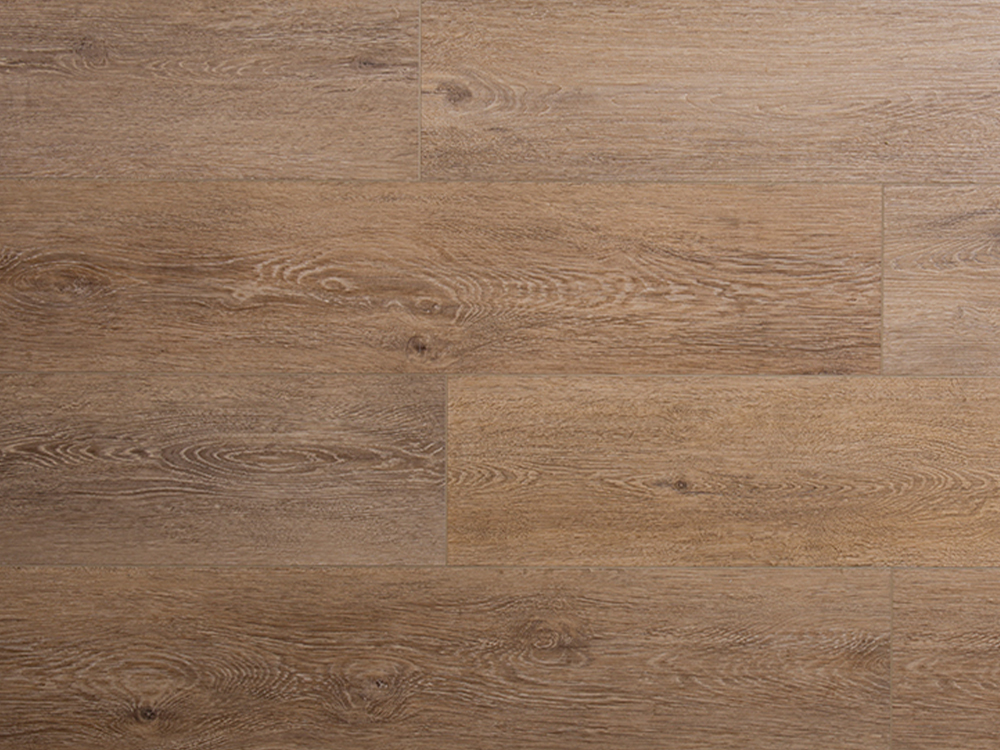
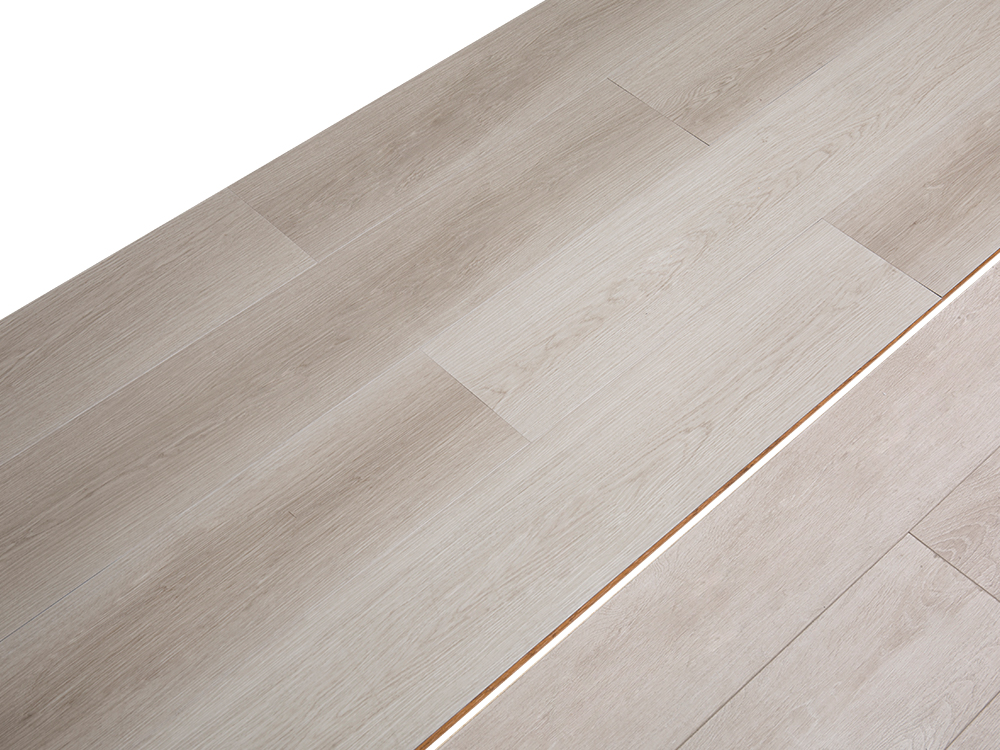 LVT Click Lock Flooring with Unilin Locking SystemAdhesive-free 3.5–5 mm LVT with Unilin locking, aimed at high-traffic spaces; consider it when subfloor tolerance rules out loose lay.View Product →
If subfloor flatness cannot be achieved within tolerance, a click-lock or glue-down system may be more appropriate, depending on the product. Do not use a loose-lay plank to solve a substrate problem that requires patching, grinding, or a self-leveling compound.
Loose lay edges are the weak point. At doorways, use a reducer or end cap that matches the height difference and traffic. At walls, skirting or quarter round can cover the perimeter gap. At stairs, use an approved stair nosing and adhesive; a loose-lay tread is not a safe detail on its own. Plan the layout so seams do not land in front of doorways or in narrow strips that will flex under foot.
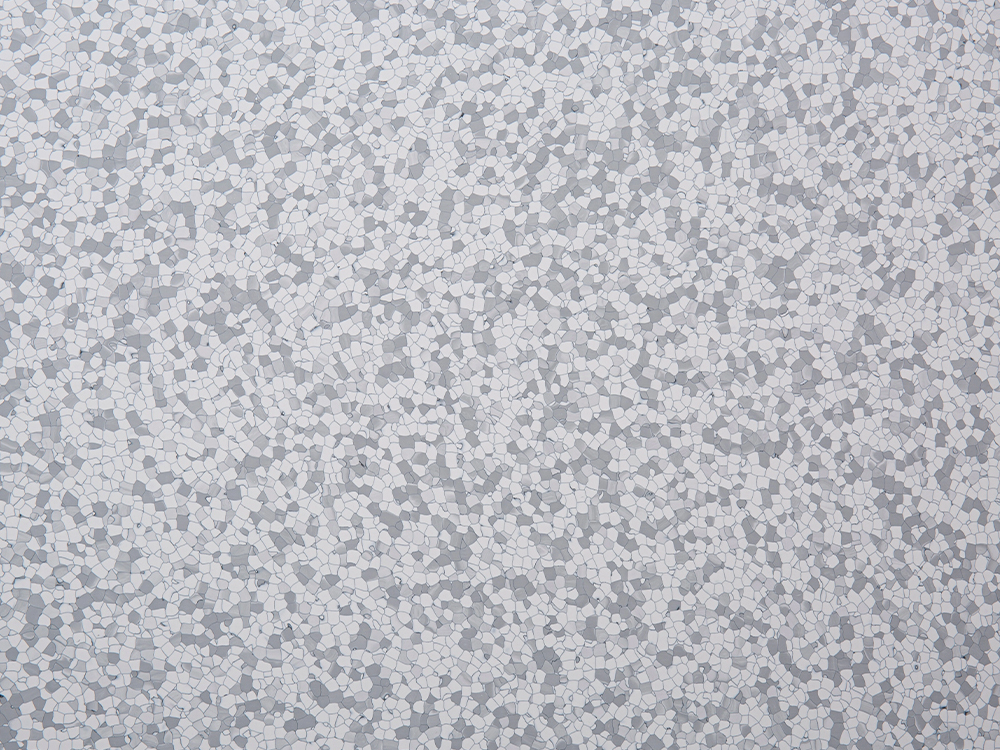
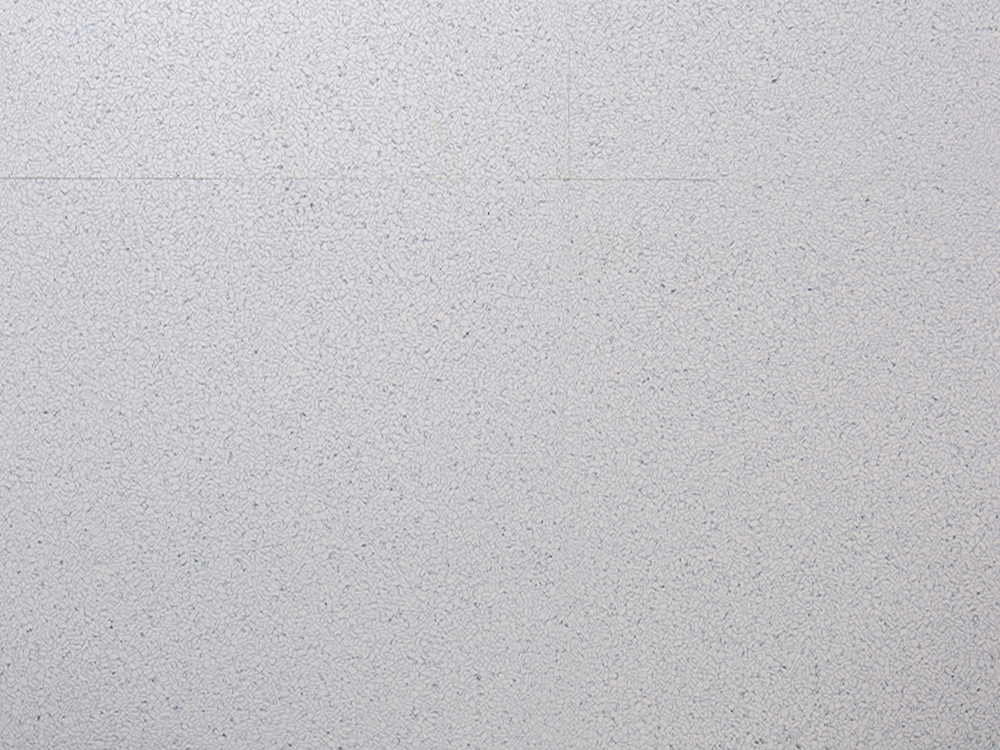
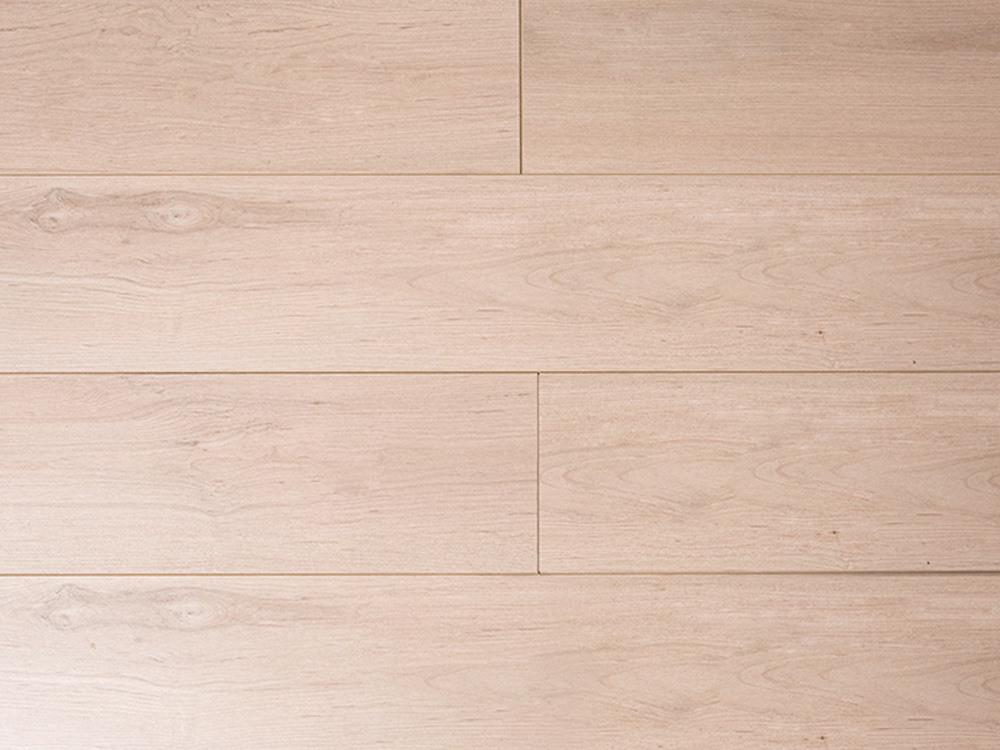 Flooring, Board and Accessory Product RangeBrowse MGO, WPC, SPC, LVT, wall panels, ESD tiles and accessories; useful for matching flooring systems with trims and transitions.View Product →
Keep the floor running lengthwise in the room where possible, and check that transition profiles are available in the same finish family. A T-molding is used for equal-height floors, while a reducer handles a height change. These details look minor in a quotation but often decide whether the installation feels finished or temporary.
Before approving a loose-lay submittal, ask for the current technical data sheet and installation instructions, not a generic brochure. Confirm the method: dry lay, perimeter adhesive, or tackifier. Verify wear layer, thickness, core, backing, slip class, fire class, and warranty terms for loose-lay use.
A mock-up on the actual substrate is more useful than a showroom sample. It reveals lippage, rolling load behavior, and how the seams close after cutting. Buyers should compare installed cost, including subfloor prep, adhesive, transitions, labor, and future access, rather than comparing only the square-meter price.
Dust and grit are the main enemies of any vinyl floor. Sweep or vacuum regularly, damp mop with a neutral pH cleaner, and avoid steam cleaners unless the manufacturer explicitly approves them. Use felt pads under furniture and a walk-off mat at entrances. Rubber-backed mats can stain some vinyl formulations, so check compatibility. For adhesive residue or stubborn marks, follow the product's cleaning guide rather than using solvent.
For a broader routine, see these flooring maintenance methods. Loose lay does not remove the need for maintenance; it simply makes individual plank replacement more practical when damage occurs.
Loose lay flooring is best understood as a specification choice for fast, repairable installations where substrate prep and edge details are controlled. It is not the lowest-prep option, and it is not automatically cheaper. If the project has heavy loads, heat, moisture, or stairs, put the burden of proof on the product data and a jobsite mock-up. When those conditions are met, loose lay can reduce downtime and simplify future repairs without compromising the finished floor.


 皖公网安备34182102000331号
 Indoor Plastic Wood Flooring Manufacturers

 English
 Español
 Deutsch