

AngL0306@outlook.com
Picture a three-bedroom house with two bathrooms, a finished basement and a dog that treats the hallway like a racetrack. The owner wants one floor covering that survives all of it without a five-figure invoice. That is the situation behind most searches for whether LVT flooring is good, and the straight answer is yes for the majority of rooms, as long as three things line up: the wear layer matches the traffic, the subfloor is flat within tolerance, and the installation method suits the space.
When LVT disappoints, it is almost always one of those three factors rather than the material itself. Knowing how the product is built makes the trade-offs much easier to judge.
Content
LVT, or luxury vinyl tile, is a vinyl plank or tile made of a printed design layer, a clear wear layer and a backing or rigid core. Water does not damage the vinyl itself, the surface takes everyday grit well, and it installs far faster than ceramic tile or site-finished hardwood. For a hallway, kitchen, bathroom, basement or rental unit, that combination is hard to beat.
It is a good choice when:
It is a poor choice when:
Two LVT planks can look identical and behave completely differently. The wear layer, measured in millimetres or mils, sits above the printed design and absorbs abrasion. A 0.2 mm layer is acceptable in a spare bedroom; in a busy hallway it will show scuffing within a couple of years.
| Wear layer | Typical application | Traffic expectation |
|---|---|---|
| 0.2 mm (8 mil) | Bedrooms, closets, light rental units | Light residential |
| 0.3 mm (12 mil) | Living areas, kitchens, home offices | General residential |
| 0.5 mm (20 mil) | Offices, retail, cafes, corridors | Light commercial |
| 0.7 mm (28 mil) | Schools, clinics, heavy retail | High commercial |
Total thickness is a separate number and should not be confused with the wear layer. A 2.0 mm tile can carry a respectable wear layer, while a 5 mm rigid-core plank may hide a thin one. Core type matters too: an SPC core stays stiff and resists indentation from furniture legs, a WPC core feels warmer and softer underfoot, and a flexible dry-back tile relies on adhesive for its stability.
LVT handles standing water far better than laminate or engineered wood. The real risks sit at the edges: a dishwasher leak that pools under the floor, or a toilet seal that fails quietly. Click joints are tight but not a waterproof seal, so a waterproof core and a sealed perimeter help. On a slab, a moisture test before installation is not optional.
Below-grade concrete is one of the friendliest places for LVT, because the material tolerates humidity that would destroy hardwood. A vapour barrier and a flat slab are still required, and the floor should not go down over concrete that is still curing.
Direct sun and large temperature changes make vinyl expand and contract. Leave the recommended expansion gap, avoid dark colours in full sun, and confirm the product is rated for that temperature range. In an unconditioned sunroom that reaches 45°C in summer, nearly every resilient floor will struggle.
A floating click-lock floor is the default for homeowners installing over a prepared subfloor. Planks lock together, no adhesive is needed, and a bedroom can be finished in an afternoon. The tolerance that matters most is flatness, typically around 3 mm over a 2 m span; high spots produce clicking noises and open joints over time.
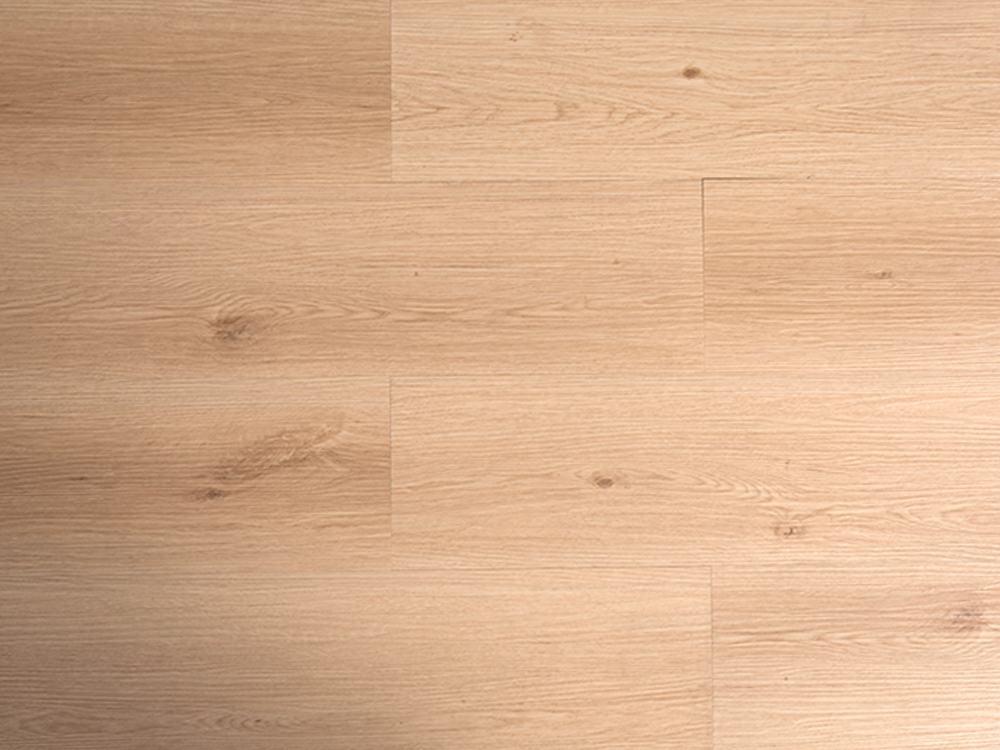
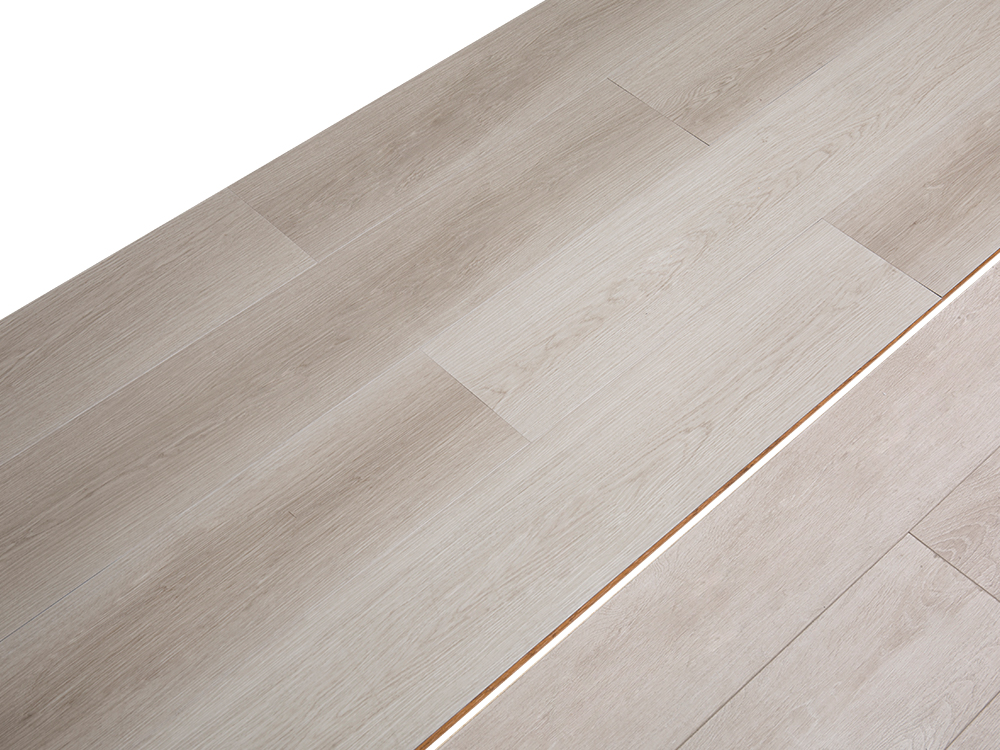 LVT Click Lock Flooring for Adhesive-Free InstallationA floating LVT with click-lock edges for fast adhesive-free fitting over a flat subfloor, offering wear resistance and water resistance for busy rooms.View Product →
Glue-down dry-back tiles are bonded directly to the substrate. The adhesive holds the floor still, which allows larger continuous areas, heavy rolling loads and better performance over slight irregularities. The trade-off is that removal is destructive, and the subfloor must be clean, dry and sound.
In retail, offices and clinics, the specification usually moves up to a 0.5 mm or 0.7 mm wear layer in a glue-down format. Dry-back tiles stay dimensionally stable under constant footfall, resist chair castors and trolley wheels, and can be laid in patterns that hide seams. Buyers should ask for abrasion and indentation test data instead of relying on a "commercial rated" label.
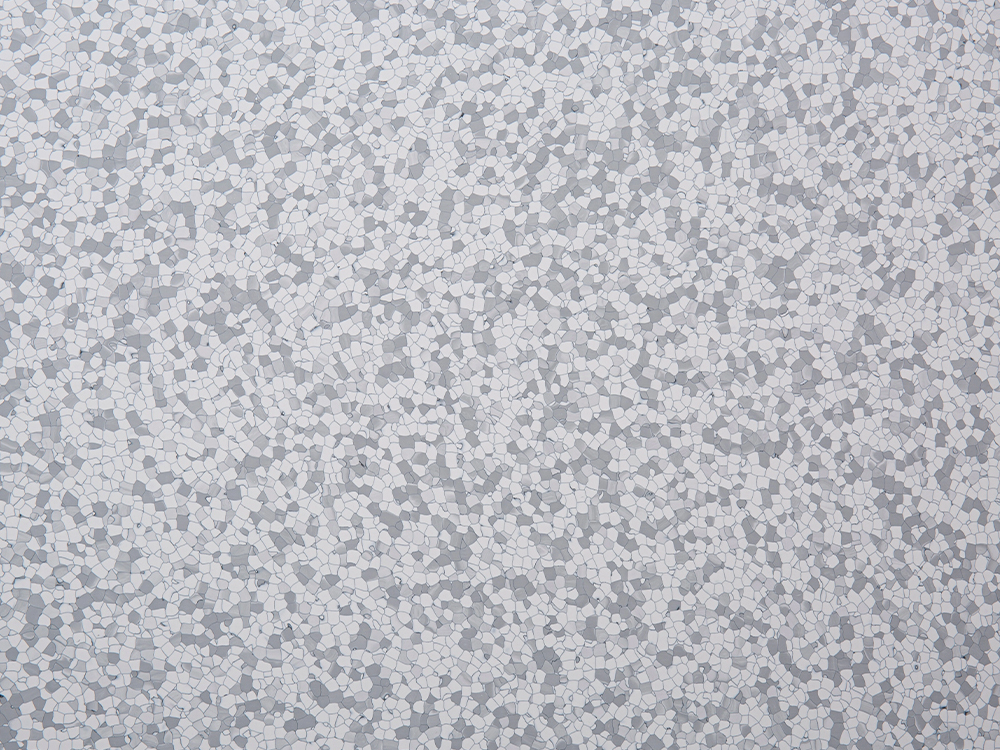
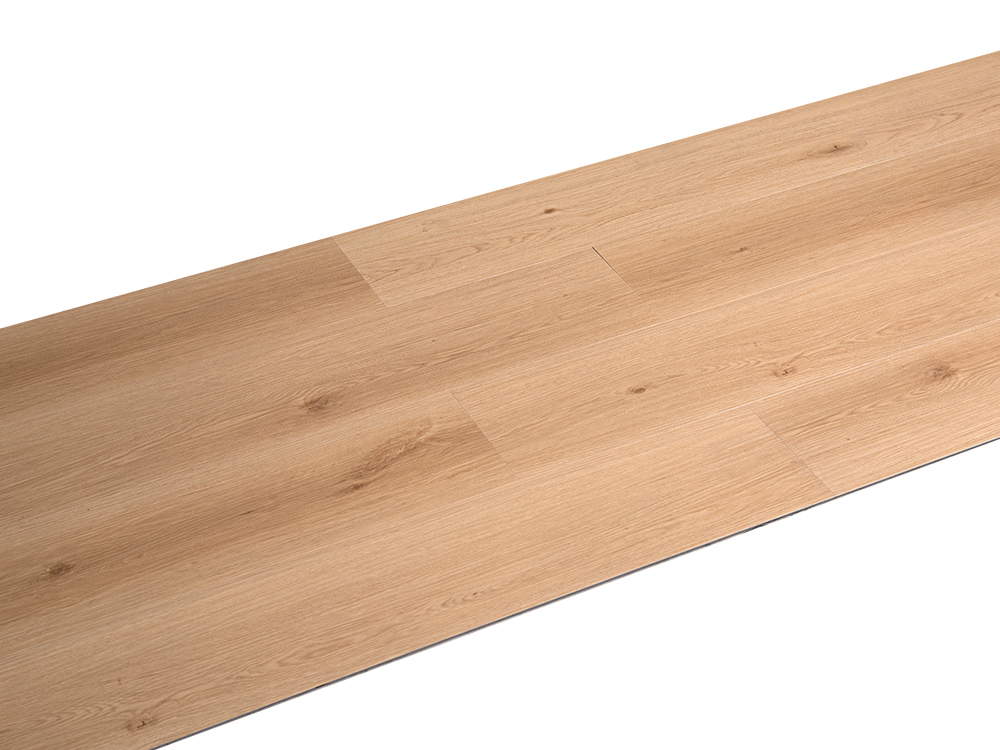 Dry Back LVT Flooring for Glue-Down Commercial InteriorsA glue-down PVC tile that remains dimensionally stable under constant footfall, available in planks and squares for retail, office, and healthcare interiors.View Product →
Rolling loads are the usual failure point in commercial installations. A loaded pallet jack over a floating floor can shear the locking system, which is why traffic type, not appearance, should drive the choice of format.
Loose-lay tiles sit on the subfloor without adhesive, held in place by their own weight and friction. They suit leased offices and shops where the floor may need to be lifted for cabling access, or where the next tenant wants a different finish. The catch is that loose-lay demands a very flat substrate and does not tolerate dragged furniture or heavy point loads.
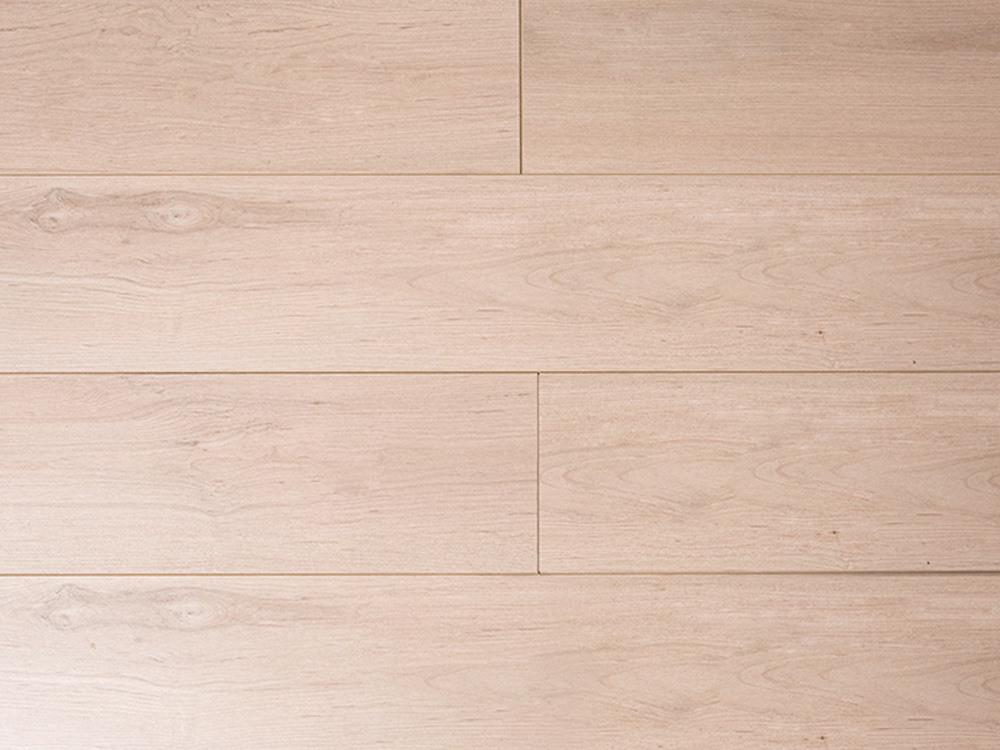
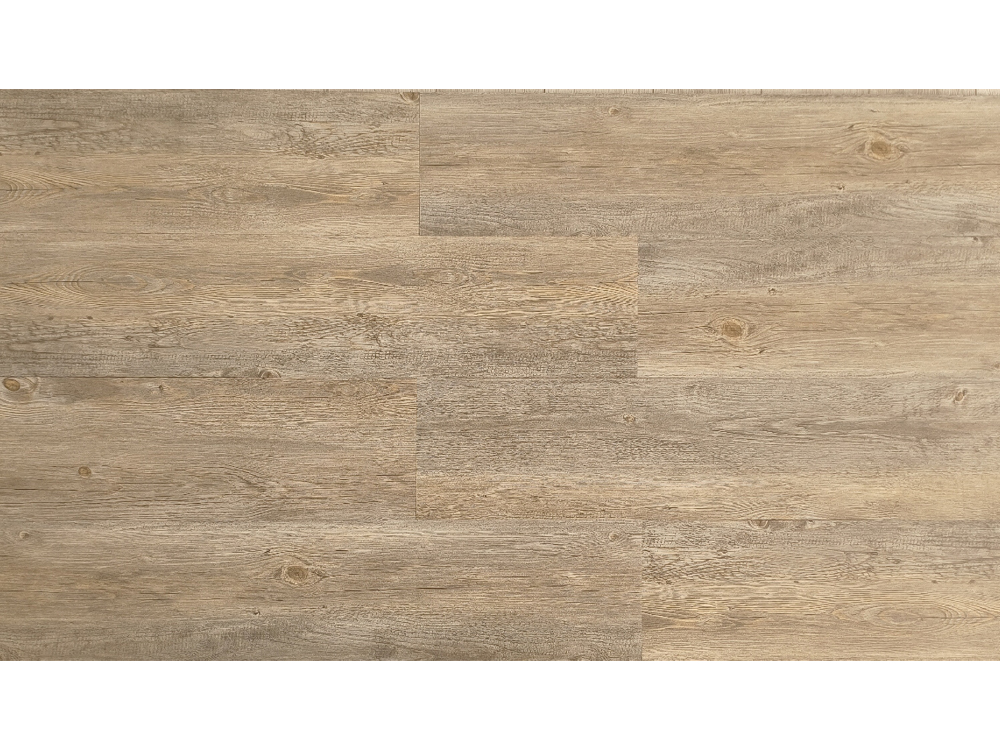 Loose Lay LVT Flooring with Anti-Slip Honeycomb BackingAn adhesive-free LVT option held by a honeycomb backing, suited to leased spaces and safety-priority areas where floors may need lifting.View Product →
If reversibility matters more than long-term stability, loose-lay is a reasonable compromise. If the room carries fixed joinery and constant traffic, glue-down wins.
Most complaints about worn vinyl trace back to cleaning habits rather than traffic. Grit acts like sandpaper underfoot, so a daily sweep or a vacuum without a beater bar removes it before it grinds into the surface. Damp mopping with a pH-neutral cleaner is enough for routine marks, and steam should be avoided on glued or loose-lay tiles because heat and moisture can soften the adhesive.
For a full routine covering daily, weekly and occasional care, this flooring maintenance guide explains which cleaners to avoid and how to treat stubborn marks.
Prices vary widely by wear layer, core and order volume, and the gap between builder-grade and commercial-grade stock is often a fraction of a millimetre. When buying in quantity, ask for the wear layer in millimetres, the core type, the installation format and third-party reports covering abrasion, indentation and slip resistance. A claim of "meets EU standards" means very little without the certificate name and the issuing body.
Buying from a manufacturer that runs its own extrusion and coating lines, such as Swanflor, tends to deliver more consistent batches and lets you match trims, stair nosings and skirting from the same production run.
Rule it out if any of the following describes the project:
LVT is good flooring, but it is not a magic material. Match the wear layer to the traffic, keep the subfloor flat, choose the installation format that fits how the room is actually used, and the floor will look much the same in eight years as it does on the day it is laid. Get any of those three wrong and the same product will feel like a mistake. The specification, not the category, decides the outcome.


 皖公网安备34182102000331号
 Indoor Plastic Wood Flooring Manufacturers

 English
 Español
 Deutsch