

AngL0306@outlook.com
Hybrid WPC flooring is a waterproof, dimensionally stable, and highly durable flooring solution that blends the comfort of vinyl with the strength of wood–plastic composites. It is specifically designed for modern interiors that demand long-term performance, moisture resistance, and visual versatility without complicated maintenance.
This flooring type has rapidly gained popularity in both residential and light commercial environments due to its rigid core structure, realistic surface textures, and reliable installation systems. Below is a practical, in-depth explanation of how hybrid WPC flooring works, where it performs best, and why it is often chosen over traditional flooring materials.
Content
Hybrid WPC flooring is built around a rigid core composed of wood powder, thermoplastic polymers, and stabilizing additives. This engineered core provides a balance between flexibility and strength, allowing the floor to resist deformation while remaining comfortable underfoot.
A typical hybrid WPC plank consists of multiple layers: a wear-resistant UV coating, a decorative film layer, the WPC core, and an integrated underlayment. Each layer plays a specific role in durability, aesthetics, and sound absorption.
The average density of a WPC core ranges from 650–750 kg/m³, which provides improved impact resistance compared to standard vinyl flooring. This density helps prevent indentation from furniture and maintains plank integrity under daily foot traffic.
Hybrid WPC flooring is fully waterproof, meaning the core does not swell, crack, or delaminate when exposed to moisture. This makes it suitable for kitchens, bathrooms, basements, and ground-floor installations where humidity is common.
Unlike laminate or traditional hardwood, WPC flooring can withstand prolonged water exposure without structural failure. Independent laboratory testing shows water absorption rates below 0.1% after 24 hours of immersion.
Durability is one of the strongest advantages of hybrid WPC flooring. The wear layer thickness typically ranges from 0.3 mm to 0.7 mm, providing strong resistance to scratches, stains, and surface abrasion.
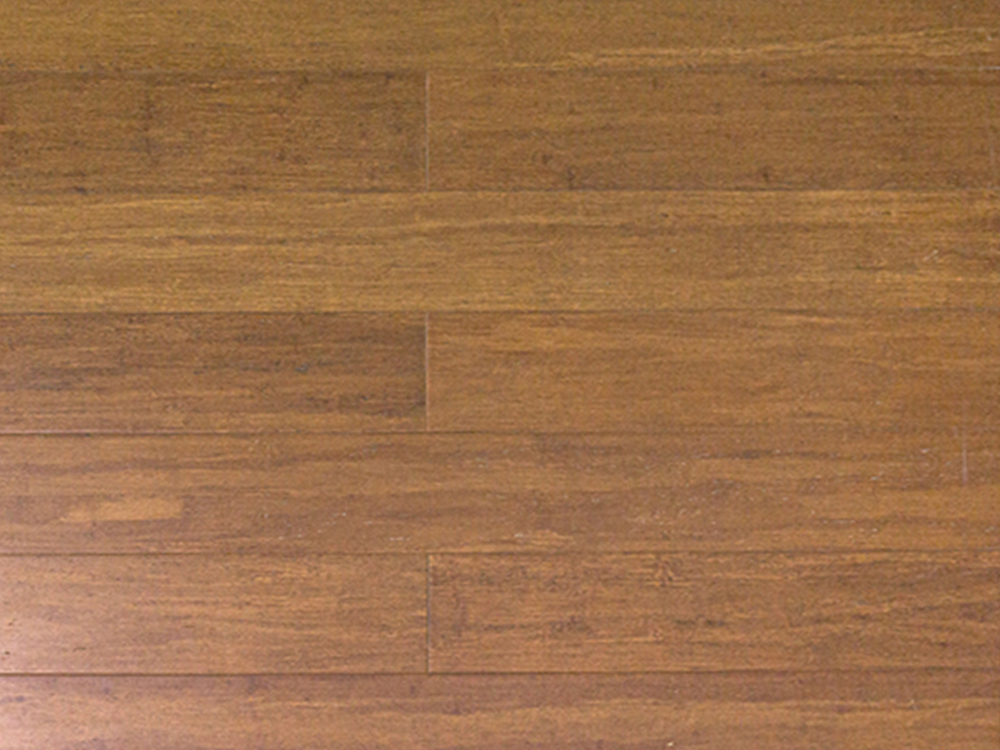
For residential use, a 0.3–0.5 mm wear layer is sufficient, while commercial spaces benefit from thicker layers that withstand rolling loads and frequent cleaning cycles.
| Wear Layer | Application | Expected Lifespan |
|---|---|---|
| 0.3 mm | Residential | 10–15 years |
| 0.5 mm | Light Commercial | 15–20 years |
Hybrid WPC flooring offers a warmer and quieter walking experience compared to ceramic tiles or stone. The built-in underlayment absorbs impact noise and reduces sound transmission between floors by up to 18–20 dB.
The slight elasticity of the WPC core also reduces foot fatigue, making it suitable for households with children, elderly residents, or long standing periods.
Most hybrid WPC flooring products use a click-lock installation system that does not require glue or nails. This allows faster installation and easier replacement of individual planks if needed.
Thanks to its rigid core, WPC flooring can be installed over slightly uneven subfloors, tolerating variations of up to 3 mm over 2 meters without telegraphing imperfections.
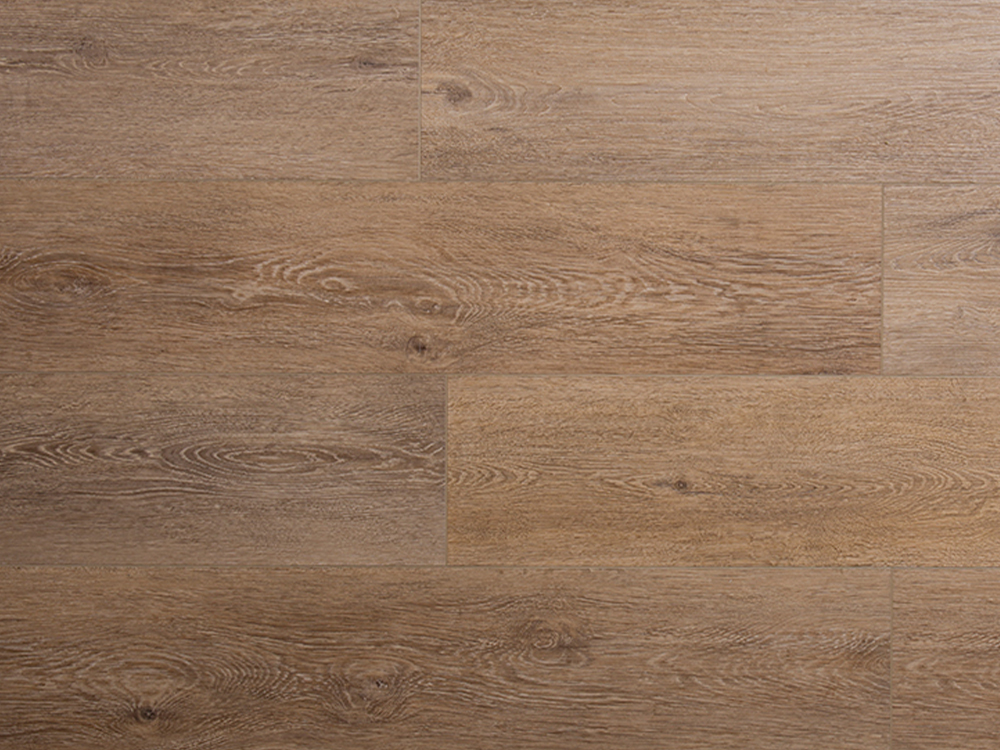
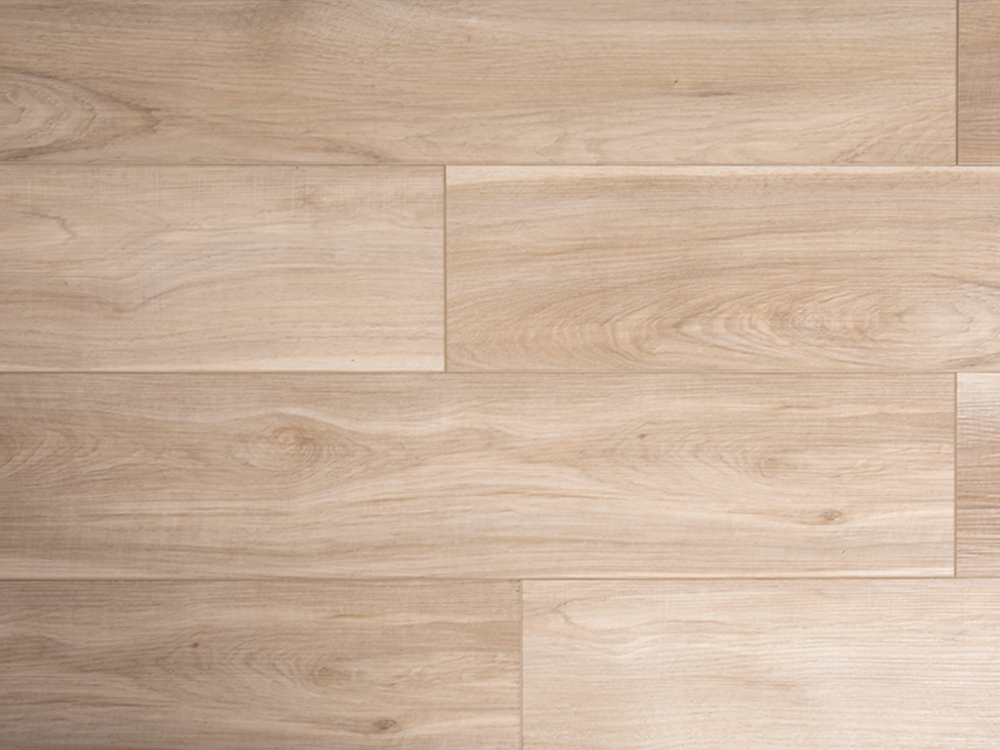
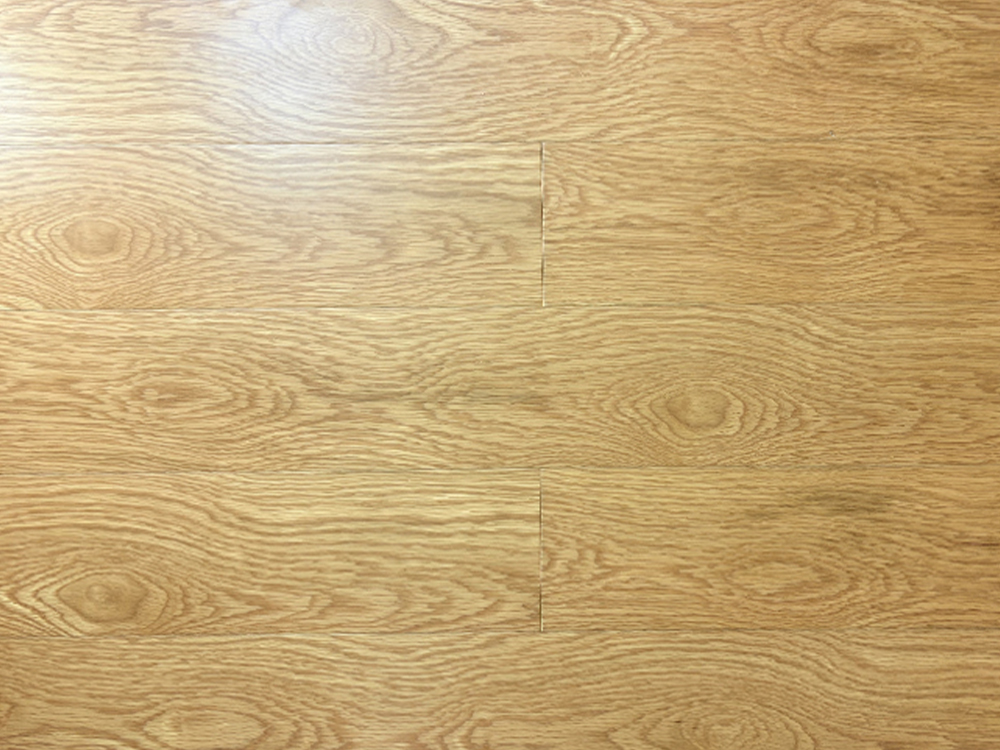
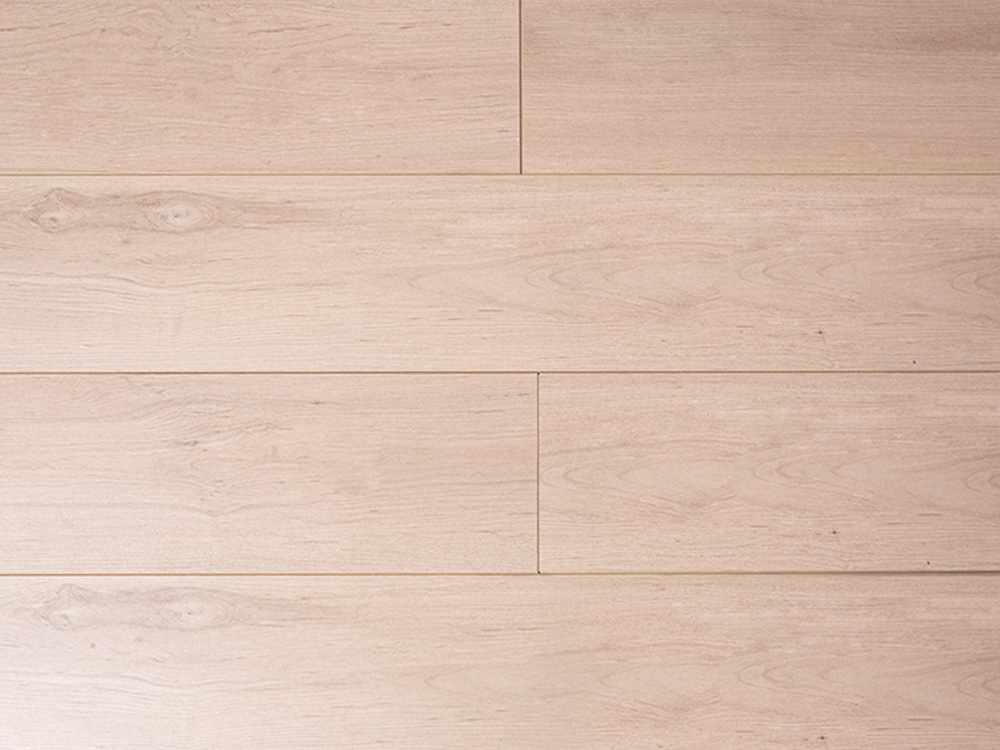
Advances in digital printing and embossing technology allow hybrid WPC flooring to closely replicate natural wood and stone textures. Embossed-in-register (EIR) surfaces align texture with visual grain for enhanced realism.
Popular designs include oak, walnut, herringbone patterns, and wide planks exceeding 180 mm in width, offering modern aesthetic flexibility.
Hybrid WPC flooring requires minimal maintenance—regular sweeping and occasional damp mopping are sufficient. It does not need waxing or refinishing, reducing long-term upkeep costs.
Many products meet FloorScore or E0 formaldehyde emission standards, making them suitable for indoor air quality–sensitive environments such as homes and schools.
Hybrid WPC flooring is best suited for users who need a waterproof, durable, and visually appealing floor without sacrificing comfort. It performs especially well in multi-use spaces where moisture, foot traffic, and aesthetics must coexist.
For homeowners and designers seeking a stable, modern flooring solution with long-term reliability, hybrid WPC flooring offers a balanced and proven option.


 皖公网安备34182102000331号
 Indoor Plastic Wood Flooring Manufacturers

 English
 Español
 Deutsch