

AngL0306@outlook.com
Content
Hybrid WPC (Wood-Plastic Composite) flooring isn’t just another trend—it’s a practical solution that merges the best of luxury vinyl plank (LVP) and engineered wood. Unlike traditional hardwood or laminate, hybrid WPC features a rigid core made from a blend of wood fibers, plastic, and foaming agents, resulting in a fully waterproof, dimensionally stable, and impact-resistant floor. For homeowners in humid climates or high-moisture areas like kitchens and basements, hybrid WPC flooring offers near-zero risk of swelling, warping, or delamination. Independent lab tests show it withstands over 72 hours of continuous water exposure without structural damage—far outperforming standard laminate or solid wood.
The term “hybrid” refers to the multi-layered structure that combines a waterproof WPC core with a high-definition wear layer and often an attached underlayment. This design eliminates the need for separate padding and simplifies installation. The core typically contains 30–50% recycled wood flour, polyvinyl chloride (PVC), and calcium carbonate, creating a dense yet lightweight plank. Crucially, the foamed core provides natural thermal and acoustic insulation—reducing footfall noise by up to 22 dB compared to ceramic tile, according to ASTM E90 testing standards. This makes hybrid WPC ideal for multi-story homes or apartments where sound transmission is a concern.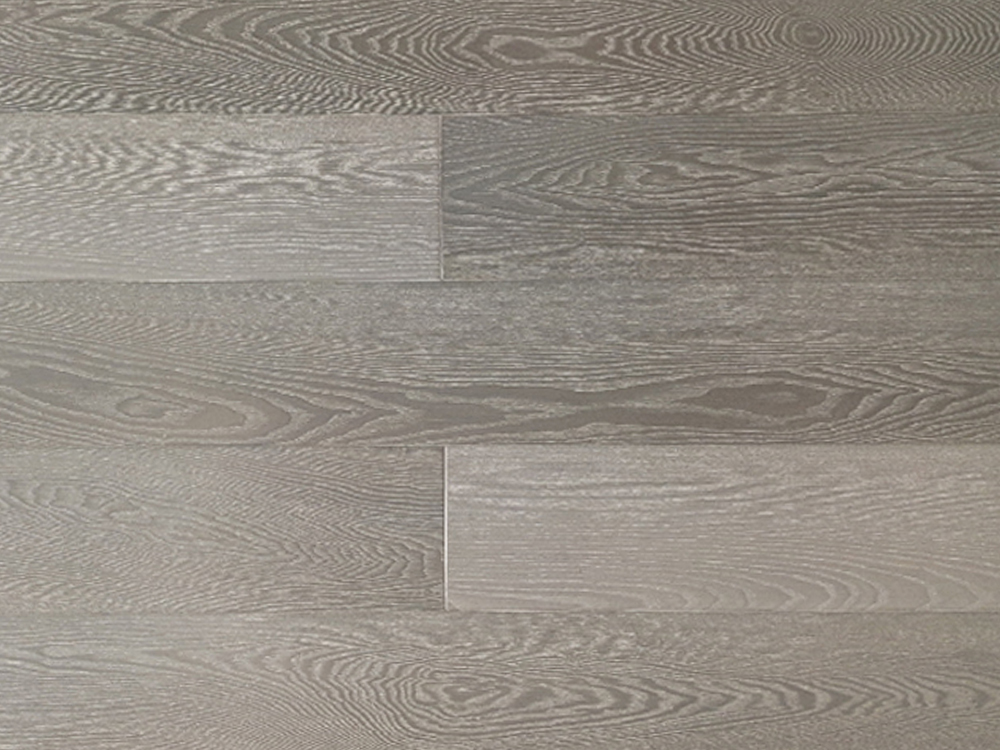
One of hybrid WPC’s biggest advantages is its forgiving nature during installation. Unlike hardwood, which demands perfectly level subfloors, hybrid planks can be floated over minor imperfections (up to 3/16" in 10 feet). Most products use a click-lock system that requires no glue or nails, cutting labor time by 30–40% compared to traditional methods. Additionally, because it’s dimensionally stable, hybrid WPC doesn’t require acclimation periods—installers can open boxes and lay flooring immediately, even in temperature-variable environments. This flexibility has made it a favorite among contractors working on tight renovation schedules.
When evaluating flooring longevity, look beyond aesthetics. Hybrid WPC typically carries a 20–30 mil wear layer, which translates to residential warranties of 25–30 years. In commercial settings, 12–20 mil layers support 10–15 year warranties. The surface resists scratches from pet claws, furniture legs, and high heels far better than engineered wood. A 2024 Consumer Reports durability test ranked top hybrid WPC brands (like CoreTec and Shaw Floorte) above 90% of laminates in abrasion resistance (Taber test results: <15 mg loss after 1,000 cycles).
| Feature | Hybrid WPC | Laminate | Engineered Wood |
|---|---|---|---|
| Water Resistance | Fully Waterproof | Swells if Wet | Not Recommended |
| Impact Resistance | High (Foam Core) | Medium | Low |
| Thermal Comfort | Warm Underfoot | Cold | Moderate |
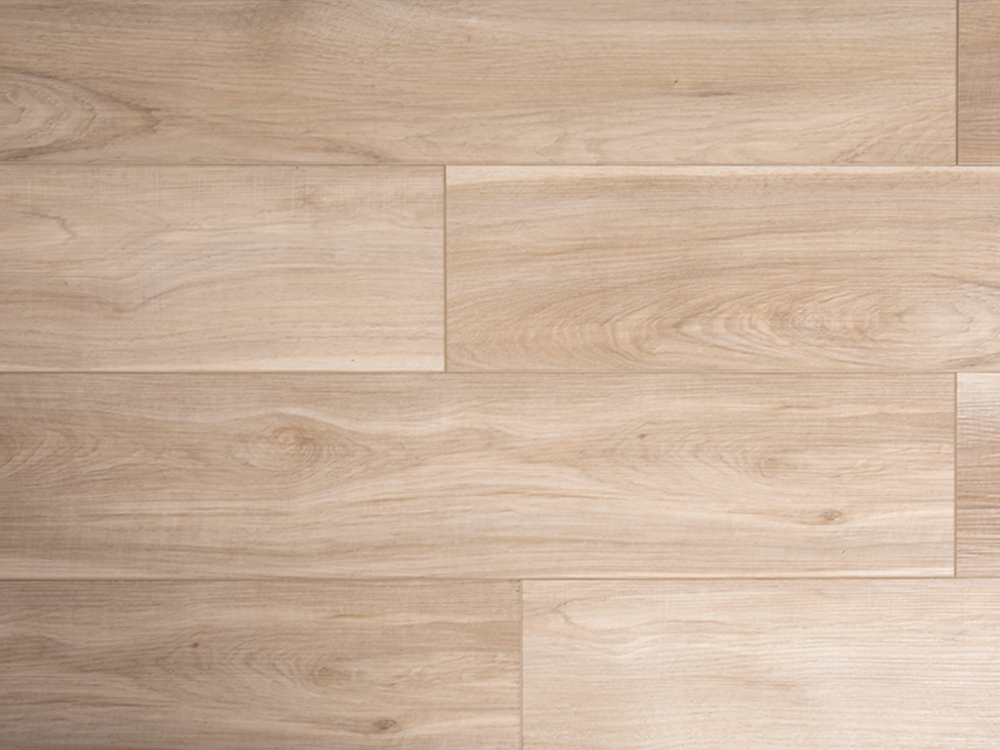
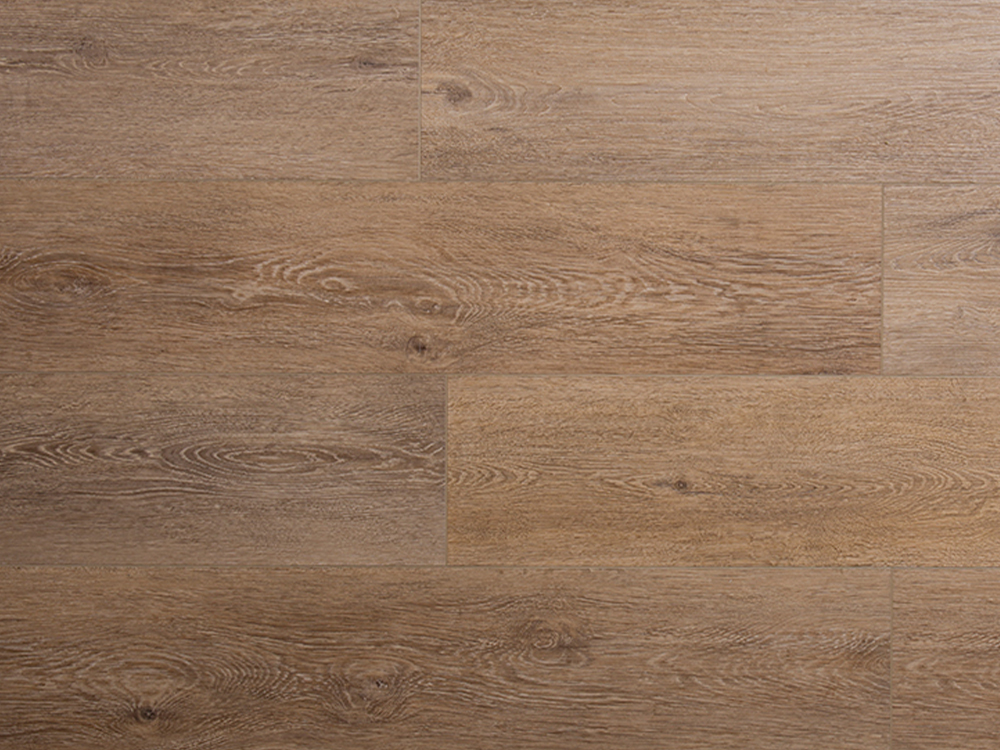
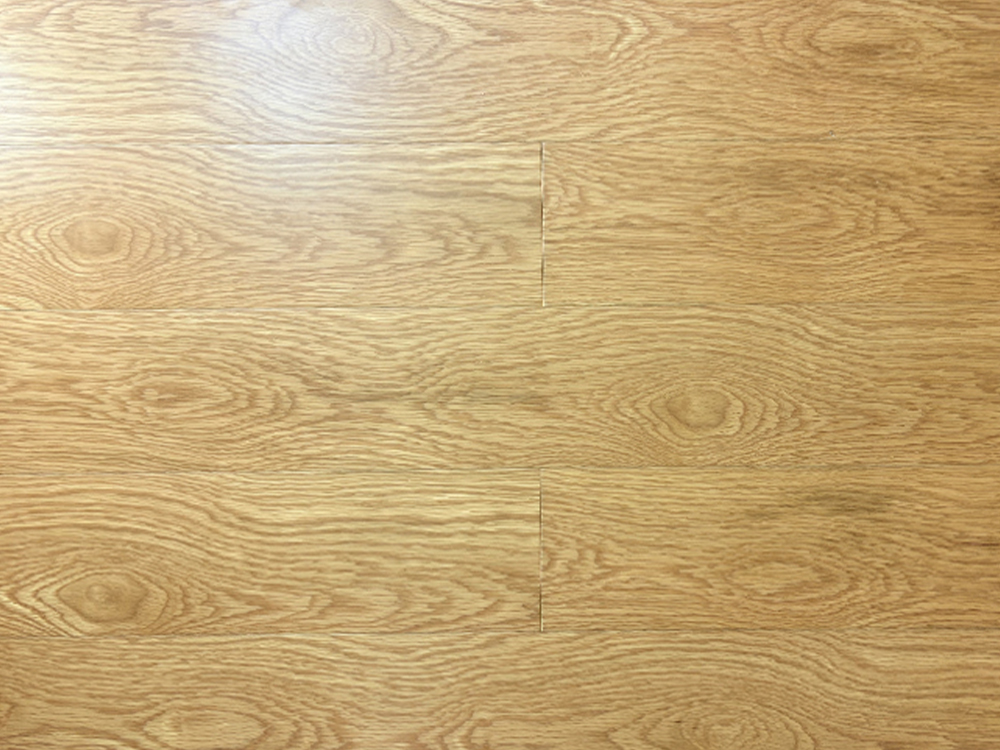
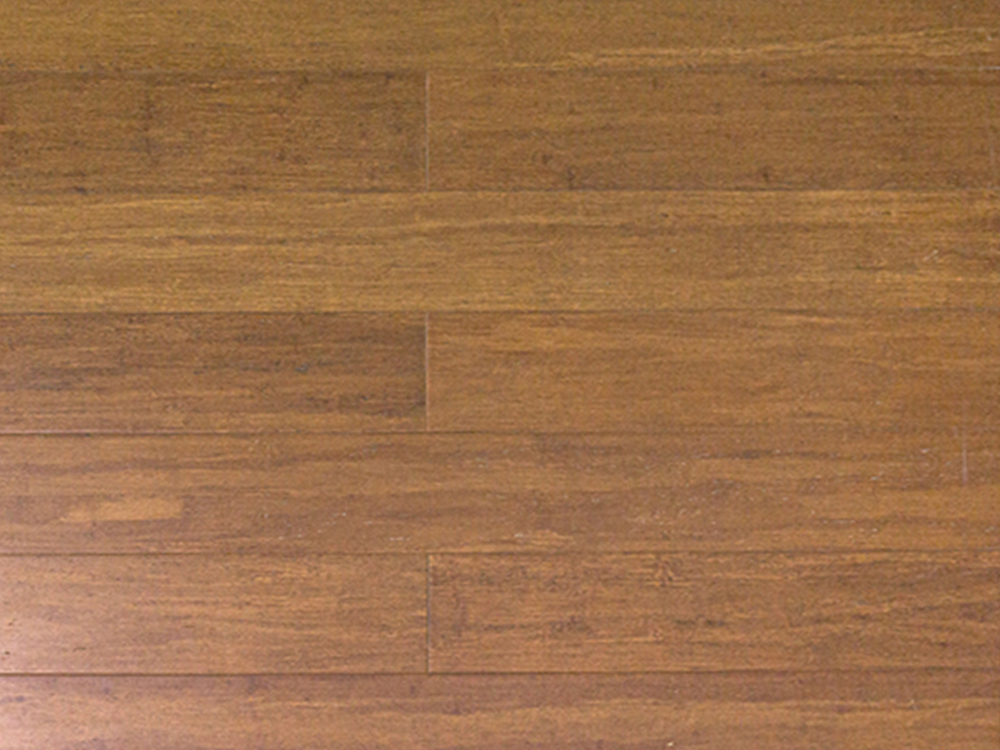
Gone are the days when waterproof flooring meant sacrificing style. Modern hybrid WPC uses advanced embossing and printing technologies to replicate the grain, knots, and texture of real oak, walnut, hickory, and even stone or concrete. Planks come in widths from 5" to 9", lengths up to 72", and finishes ranging from matte to hand-scraped. Some premium lines include micro-beveled edges and color variation across planks to mimic the organic inconsistency of natural wood. Importantly, these visuals remain intact even in sun-drenched rooms—UV-stable coatings prevent fading for over a decade, per accelerated weathering tests (ASTM G154).
While PVC-based, leading hybrid WPC brands now meet stringent indoor air quality standards. Look for FloorScore® or Greenguard Gold certification, which ensures VOC emissions are below 0.5 mg/m³—safer than many carpets or adhesives. Additionally, the inclusion of recycled content (often 30–60%) reduces landfill burden. At end-of-life, some manufacturers offer take-back programs for recycling into new cores. Though not biodegradable, its 25+ year lifespan means fewer replacements and less long-term waste compared to short-cycle flooring like sheet vinyl.
Initial pricing for hybrid WPC ranges from $3.50 to $7.50 per square foot—higher than basic laminate but comparable to mid-tier engineered wood. However, total cost of ownership favors WPC due to lower installation expenses (no underlayment, faster labor) and minimal maintenance. Unlike hardwood, it never needs refinishing; a simple damp mop suffices. In flood-prone regions, insurance savings can also apply—some providers offer reduced premiums for fully waterproof flooring in basements. Over 15 years, lifecycle analysis shows hybrid WPC can be 20–30% more economical than alternatives requiring replacement or repair.
Not all hybrid WPC is equal. Prioritize products with:
Brands like Mohawk SolidTech, Armstrong Luxe Plank, and Karndean Korlok consistently rank high in third-party durability and customer satisfaction surveys. Always request samples to assess thickness (aim for 5mm+ core), click mechanism strength, and color accuracy under your lighting conditions before committing to a full order.


 皖公网安备34182102000331号
 Indoor Plastic Wood Flooring Manufacturers

 English
 Español
 Deutsch