

AngL0306@outlook.com
A fast-installation wall panel revolutionizes interior construction by offering a dry-fit alternative to traditional wet trades like plastering and painting. These modular systems utilize interlocking mechanisms, adhesive backing, or clip-on frameworks to reduce installation time by up to 70% compared to conventional methods. For homeowners, contractors, and commercial developers, this technology provides an immediate aesthetic upgrade while minimizing site disruption, dust, and labor costs. The core advantage lies in the ability to transform rough or damaged walls into finished surfaces within hours, not days, making it an ideal solution for quick renovations, office fit-outs, and residential remodeling.
Beyond speed, fast-installation wall panels offer superior durability and maintenance benefits. Materials such as Wood Plastic Composite (WPC), Polyvinyl Chloride (PVC), and High-Density Fiberboard (HDF) are resistant to moisture, termites, and wear. This resilience ensures that the investment remains visually appealing for years with minimal upkeep. Understanding the different material options and installation techniques allows users to select the right system for their specific environmental and design requirements.
Content
The performance of a fast-installation wall panel is largely dictated by its core material. Each type offers distinct advantages regarding aesthetics, durability, and suitability for specific environments.
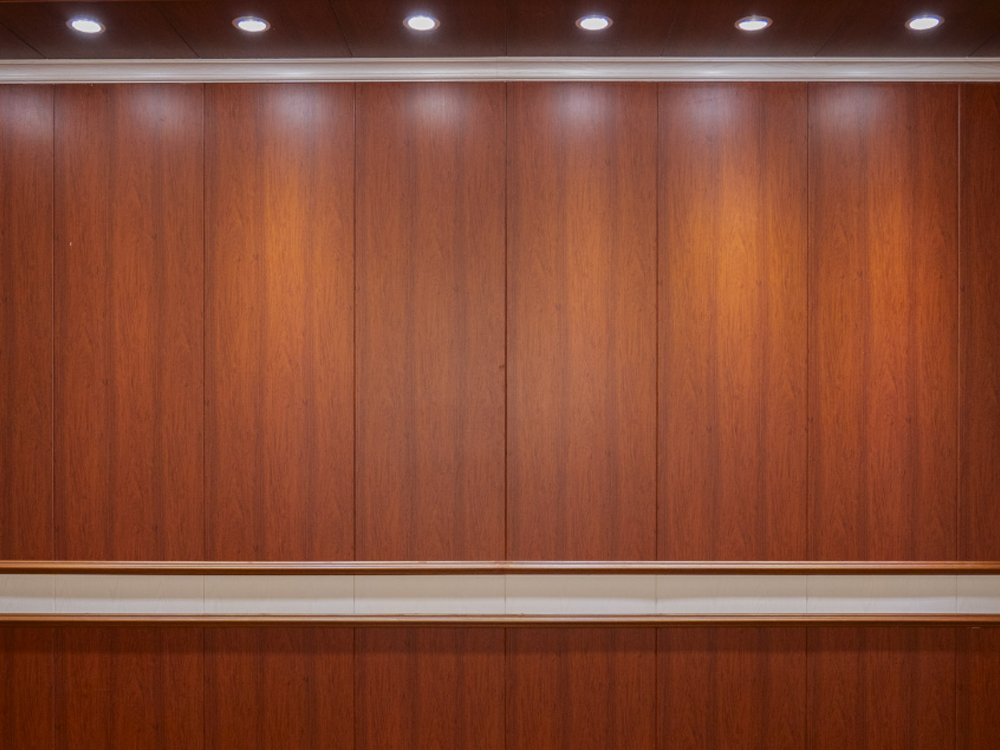
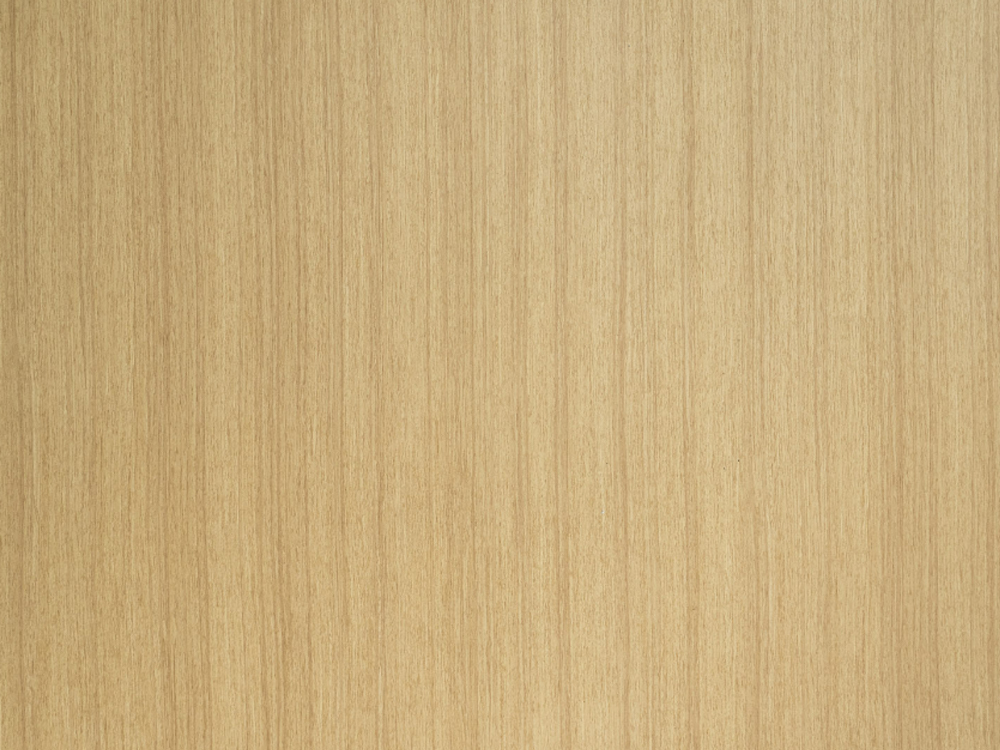
WPC panels combine wood fibers with thermoplastics, resulting in a product that mimics the look and feel of natural wood but with enhanced durability. They are waterproof, termite-proof, and do not warp or crack with temperature changes. WPC is ideal for both indoor and semi-outdoor applications, such as balconies or bathroom accents, due to its high resistance to moisture.
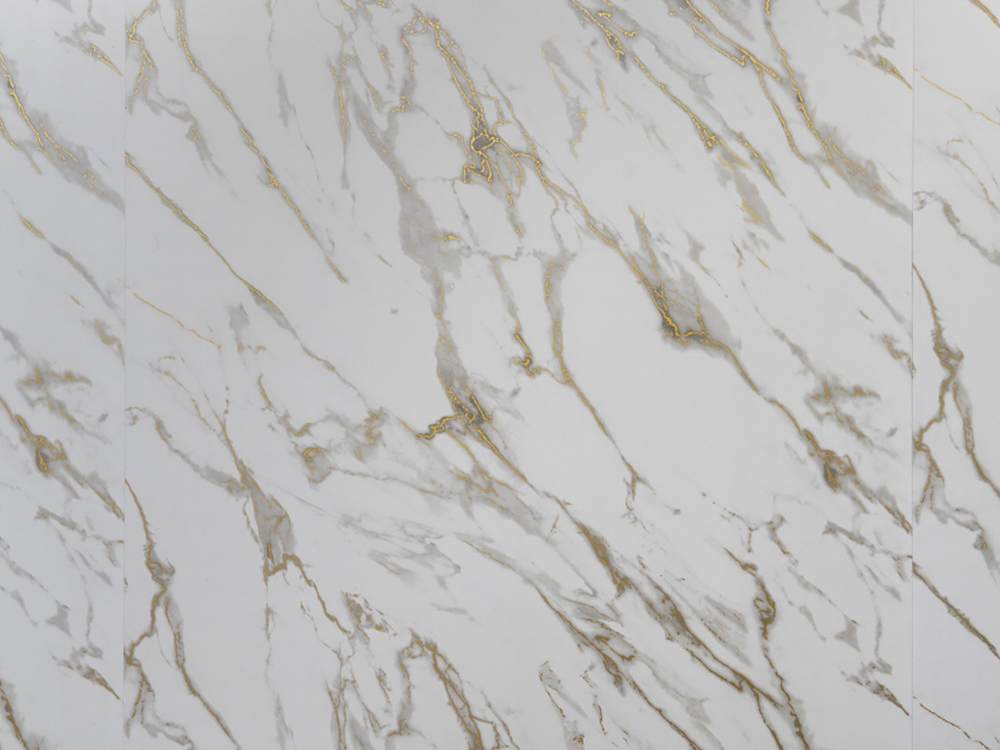
PVC panels are lightweight, cost-effective, and highly water-resistant. They are commonly used in kitchens, bathrooms, and basements where humidity levels are high. While they may not have the premium tactile feel of WPC, modern printing technologies allow PVC to replicate marble, wood, and stone textures with high fidelity. They are also easy to clean and maintain.
| Material | Moisture Resistance | Durability | Cost Range |
|---|---|---|---|
| WPC | Excellent | High | Medium-High |
| PVC | Excellent | Medium | Low-Medium |
| HDF/MDF | Low (Requires Sealing) | Medium | Medium |
The "fast" in fast-installation wall panels refers to the innovative joining systems that eliminate the need for nails, screws, or extensive adhesives in some cases. Understanding these mechanisms helps in choosing the right product for DIY or professional installation.
Most WPC and PVC panels feature a tongue-and-groove design. The tongue of one panel fits snugly into the groove of the adjacent panel, creating a seamless, tight joint that hides fasteners. This system ensures alignment and stability, allowing for rapid assembly. Panels are typically secured to the wall using clips, staples, or a small amount of structural adhesive at the edges.
Some lightweight panels, particularly acoustic foam or thin PVC sheets, use high-strength adhesive tapes or liquid nails for installation. This method requires minimal tools—often just a level and a roller—and is ideal for retrofitting over existing smooth surfaces like tiles or drywall. However, surface preparation is critical; the existing wall must be clean, dry, and flat to ensure proper adhesion.
Choosing fast-installation wall panels over traditional paint or wallpaper offers several long-term advantages beyond just speed.
One of the most compelling reasons to install fast-installation wall panels is their low maintenance requirement. Traditional painted walls often need repainting every 3-5 years due to fading, scuffing, or staining. In contrast, high-quality WPC and PVC panels can last 15-20 years or more with minimal care.
Cleaning is straightforward: a damp cloth and mild detergent are usually sufficient to remove dust and stains. The materials are resistant to mold and mildew, making them hygienic choices for hospitals, schools, and homes with allergy sufferers. In the event of damage to a single panel, the modular design allows for easy replacement of the affected section without dismantling the entire wall, further reducing long-term maintenance costs.


 皖公网安备34182102000331号
 Indoor Plastic Wood Flooring Manufacturers

 English
 Español
 Deutsch