

AngL0306@outlook.com
The SPC flooring market has grown rapidly over the past several years, and the number of brands competing for shelf space—both online and in showrooms—has grown right along with it. For homeowners renovating a kitchen, contractors outfitting a commercial space, or buyers sourcing product in volume, the sheer number of options makes choosing a brand genuinely difficult. This guide cuts through the noise by explaining what actually separates the best SPC flooring brands from the rest, and which names have earned consistent recognition for quality, durability, and design.
Content
SPC stands for Stone Plastic Composite. It is a type of rigid core vinyl flooring made from a dense blend of limestone powder, polyvinyl chloride, and stabilizers. That core is what distinguishes SPC from older vinyl products: it does not flex, compress, or warp under pressure or temperature change the way softer vinyl can.
A standard SPC plank is built in distinct layers. At the bottom, an optional IXPE or EVA foam underlayment cushions the floor and absorbs sound. Above that sits the rigid SPC core, which provides structural stability and complete waterproofing. A printed design layer goes on top of the core, followed by a transparent wear layer that protects against scratches, stains, and daily abrasion. The thickness of that wear layer—measured in mils—is one of the most important indicators of how long a floor will last in real-world conditions.
SPC flooring is 100% waterproof throughout its entire structure, not just at the surface. This makes it suitable for bathrooms, kitchens, basements, and any other space where moisture is a concern. It installs quickly using a click-lock system, requires no glue, and can go directly over most existing subfloors without extensive preparation.
Not every brand producing SPC flooring invests equally in core density, wear layer quality, print technology, or safety certification. Understanding what separates top-tier manufacturers from mid-range or budget options makes it far easier to evaluate products side by side.
Wear layer thickness. Entry-level SPC products often carry a 6 to 12 mil wear layer, which is adequate for low-traffic residential rooms. For high-traffic residential areas or any commercial application, a wear layer of 20 mil or above is the industry standard among leading brands. Thicker wear layers resist scratching from furniture, pet claws, and foot traffic more effectively and extend the product's serviceable life significantly.
Core density and stability. A denser SPC core resists denting, indentation from heavy furniture, and dimensional movement caused by temperature fluctuations. The best brands engineer their cores specifically to maintain dimensional stability across a wide temperature range, which matters in spaces that experience seasonal heating and cooling cycles.
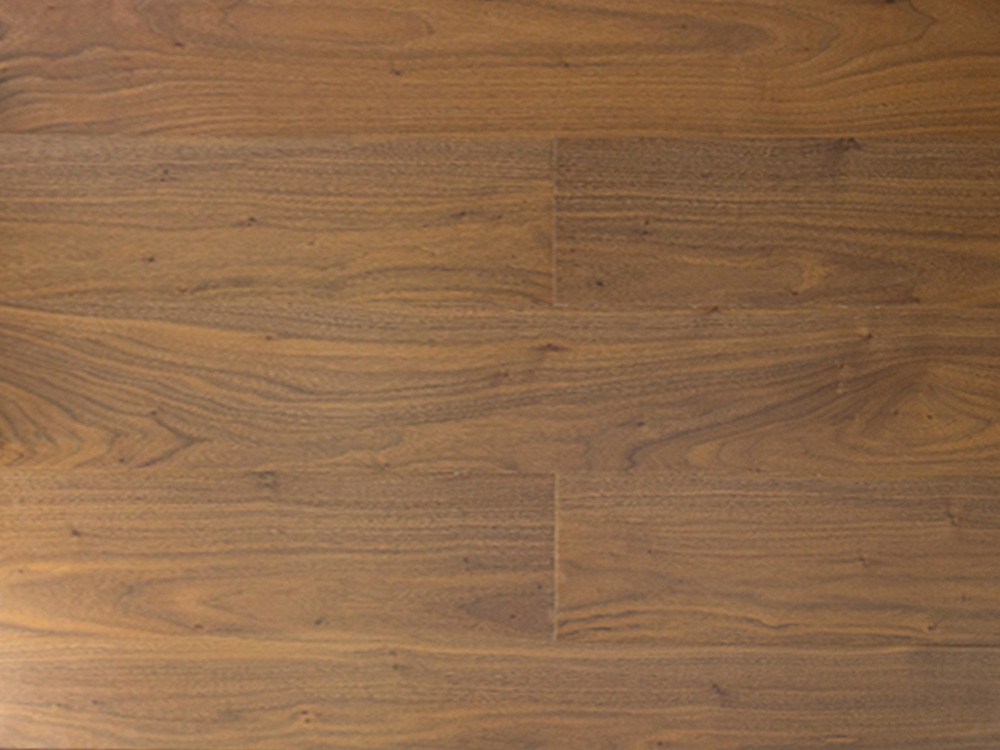
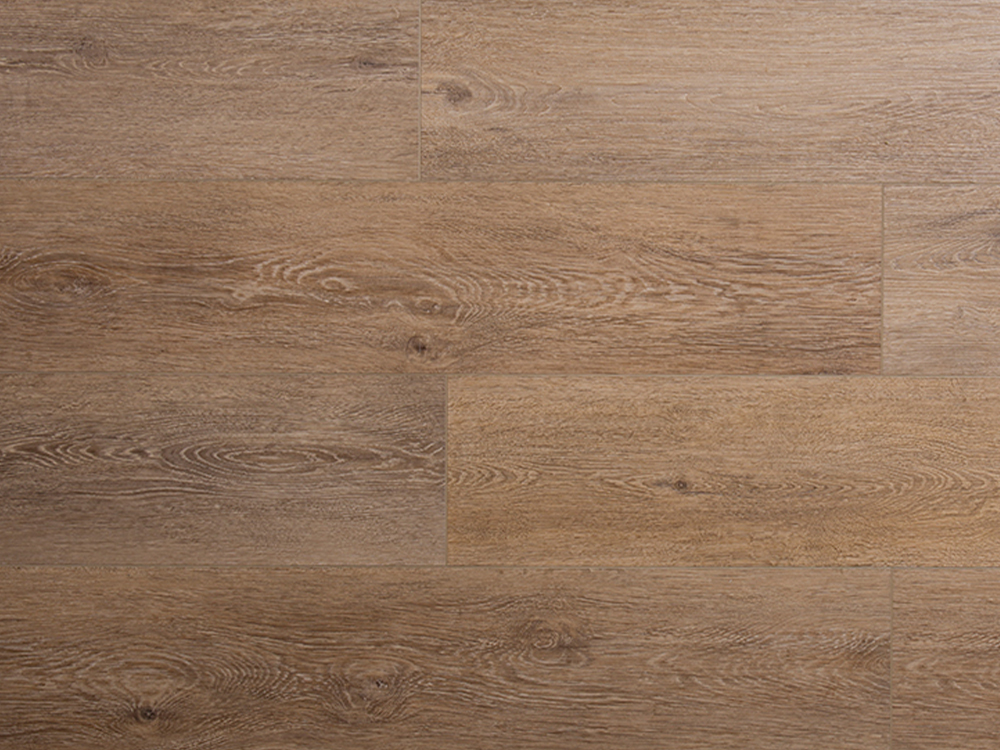
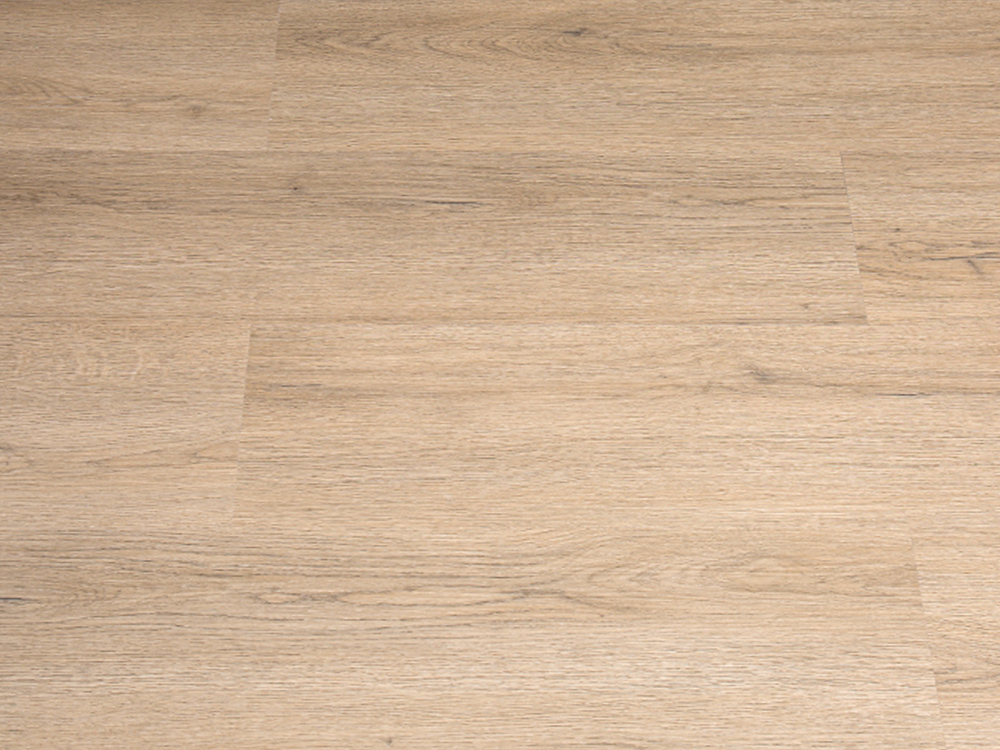
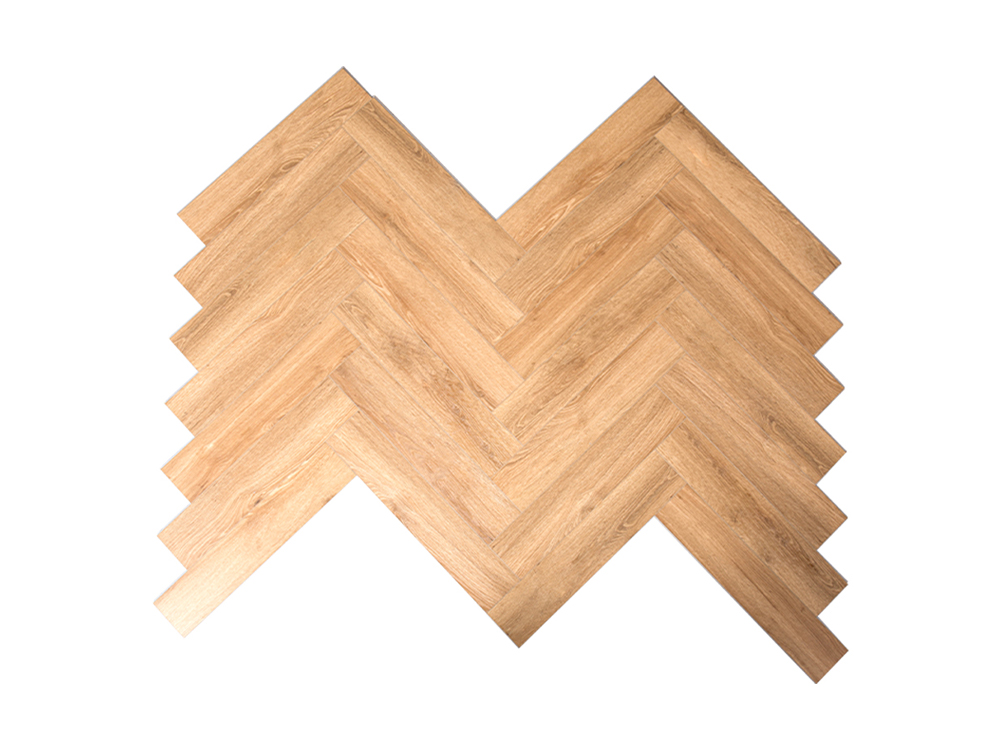
Print and surface realism. High-quality brands invest in advanced digital printing technology combined with embossed-in-register surface texturing. This technique aligns the physical texture of the plank surface with the visual grain of the printed design, producing a result that closely replicates real wood or stone. Budget brands typically use standard embossing that does not align with the print, which produces a noticeably artificial appearance under close inspection.
Certifications and indoor air quality. Leading SPC manufacturers submit their products for third-party testing against standards like FloorScore, GREENGUARD Gold, and CE (for European markets). These certifications verify that the flooring meets strict limits on volatile organic compound (VOC) emissions—a critical consideration for residential spaces, schools, and healthcare environments.
Warranty terms. A manufacturer's warranty reflects its confidence in the product. Top brands offer residential warranties of 25 years or more, and dedicated commercial warranties for high-traffic installations. Limited or short warranties are often a signal of lower confidence in long-term performance.
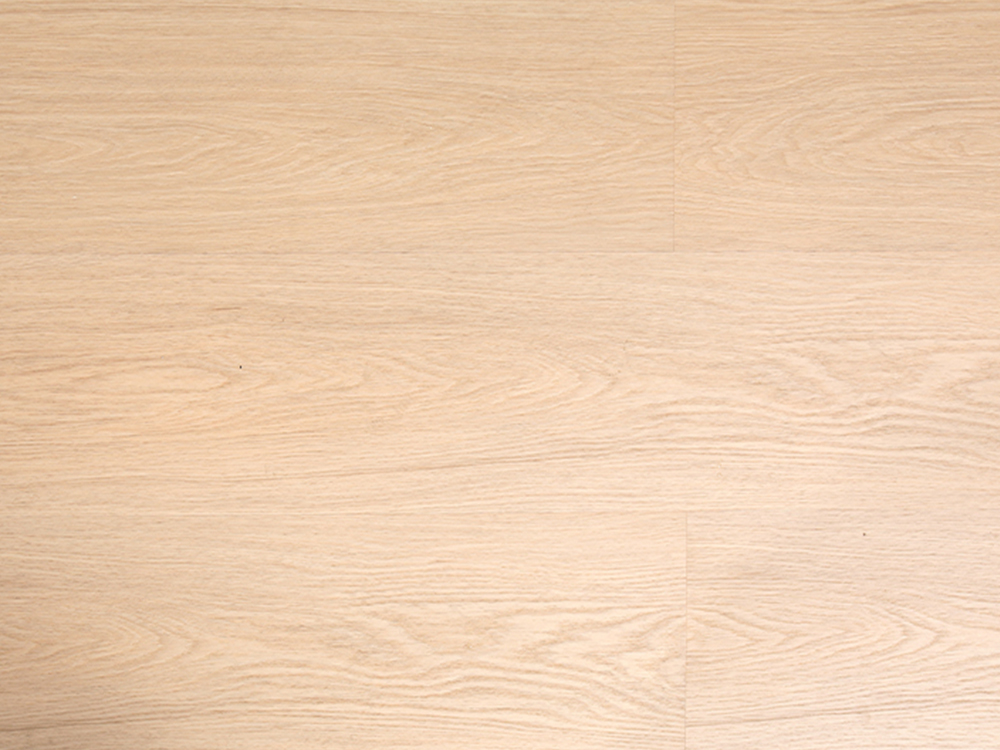
Shaw Floors is one of the most recognized names in the global flooring industry. Founded in 1967 and headquartered in Dalton, Georgia, Shaw produces SPC flooring under multiple sub-brands including Floorté and Floorté Pro. Their products are known for broad style variety, consistent quality, and strong warranties. Shaw also maintains a notable commitment to sustainability, incorporating recycled materials into a portion of its production.
Mohawk Industries, founded in 1878, is another American giant with deep roots in flooring. Their SPC lines are widely distributed through retail and contractor channels, with products that emphasize scratch resistance and dimensional stability. Mohawk's scale gives them significant manufacturing consistency, which translates into predictable quality across orders.
Armstrong Flooring has been producing floor coverings since 1891 and brings that experience to its SPC lineup. Armstrong products are available in a range of thicknesses and grades, giving buyers options from accessible residential products up to heavy-duty commercial specifications. Their self-stick and click-lock options offer installation flexibility for different project types.
COREtec (a sub-brand of Shaw Industries) is widely credited with pioneering the rigid core luxury vinyl category. COREtec products are positioned at the premium end of the SPC and WPC market, with a focus on innovative construction, attached underlayment, and realistic surface finishes. For buyers seeking a high-end result, COREtec is consistently among the top recommendations from flooring professionals.
Tarkett is a global manufacturer with a strong presence in both North America and Europe. Their SPC flooring is appreciated for its combination of style, environmental responsibility, and performance. Tarkett holds multiple sustainability certifications and has been recognized for its efforts to reduce its overall environmental footprint.
Mannington Mills, founded in 1915 and based in New Jersey, offers SPC flooring under its Adura brand. Mannington is distinctive in that it offers luxury vinyl in tile, plank, and sheet formats—a broader range than many competitors. Their products are known for quality construction and a wide selection of realistic wood and stone designs.
Karndean focuses specifically on luxury vinyl flooring and has built a strong reputation for premium, design-forward products. Their SPC lines typically feature planks of at least 4.5mm thickness with 20 mil wear layers, and their design catalog leans toward traditional and natural aesthetics—particularly detailed wood grains and stone visuals.
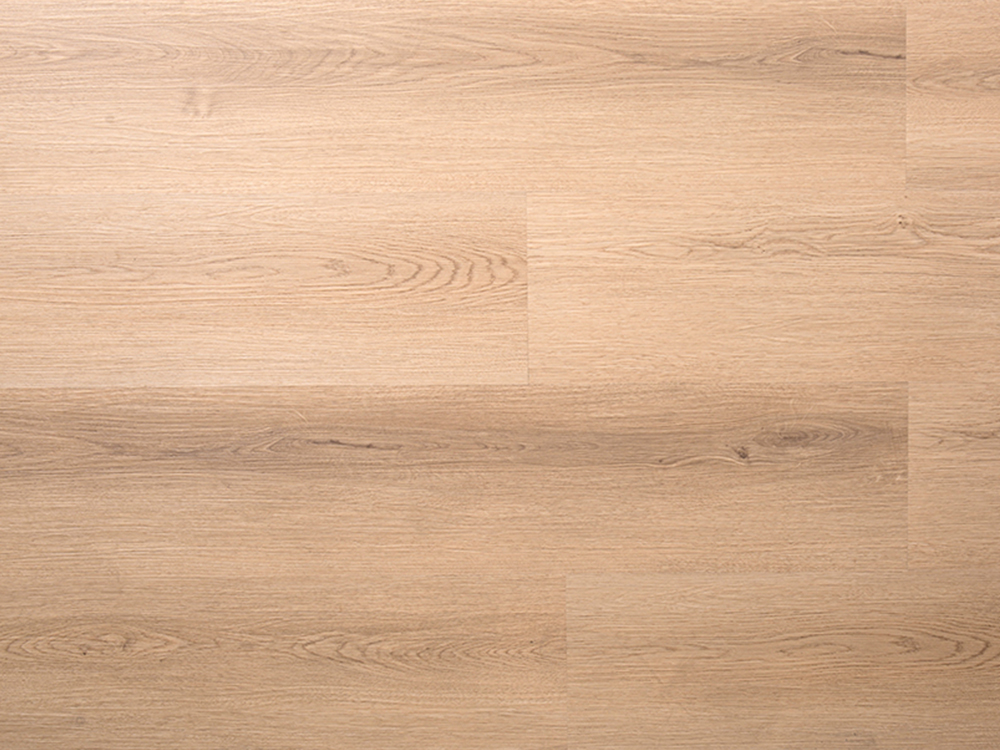
When evaluating SPC flooring options side by side, it helps to apply a consistent set of criteria rather than relying on brand reputation alone.
| Criteria | Entry Level | Mid Range | Premium |
|---|---|---|---|
| Wear Layer | 6–12 mil | 12–20 mil | 20 mil+ |
| Total Thickness | 4mm | 5–6mm | 6–8mm+ |
| Certifications | Limited / none | FloorScore or GREENGUARD | Multiple third-party certs |
| Surface Texture | Standard emboss | Enhanced emboss | Embossed-in-register |
| Residential Warranty | 5–10 years | 15–25 years | 25 years to lifetime |
For residential projects in living rooms and bedrooms, a mid-range product with a 12 to 20 mil wear layer and FloorScore certification typically offers the best combination of performance and value. For kitchens, bathrooms, or high-traffic areas, moving to a 20 mil or thicker wear layer is advisable. Commercial installations—retail stores, offices, healthcare facilities—should use products specifically rated for commercial use, with corresponding commercial warranties.
Whether sourcing directly from a factory or through a distributor, asking the right questions before committing to an order saves time and reduces the risk of receiving product that does not meet project requirements.
Request third-party test reports. Any credible manufacturer should be able to provide documentation of FloorScore, GREENGUARD, or equivalent certification. For export orders, confirm compliance with the destination market's relevant standards—CE marking for Europe, for example, or California 01350 standards for projects in the United States.
Ask about core composition. The ratio of limestone powder to PVC and stabilizers in the SPC core affects density, dimensional stability, and overall feel underfoot. Manufacturers who can provide specific formulation data demonstrate transparency about their product quality.
Confirm wear layer thickness independently. Some manufacturers state nominal wear layer thickness rather than verified thickness. Ask whether the quoted figure is confirmed by third-party testing or is a production target. The difference matters for warranty validity and long-term performance.
Check production capacity and lead times. For volume orders, understanding a factory's annual output capacity, minimum order quantities, and realistic lead times prevents scheduling problems downstream. Established manufacturers with dedicated SPC production lines are better positioned to handle large or repeat orders consistently.
Review export experience. Manufacturers that regularly ship to demanding markets—North America, Japan, Western Europe—are familiar with certification requirements, packaging standards, and logistics processes that affect the buyer's experience. This experience reduces the risk of delays or documentation issues at customs.
The SPC flooring market continues to grow, driven by several converging trends that are shaping product development and purchasing behavior.
Wider plank formats. Planks in the 9-inch by 60-inch range and beyond are increasingly popular, particularly in open-plan living spaces where wider boards create a more expansive, contemporary look. Leading brands have expanded their wide-plank offerings significantly over the past two years.
More realistic surface finishes. Investment in printing technology and embossed-in-register texturing has reached a point where premium SPC flooring is difficult to distinguish visually from genuine hardwood or natural stone. Distressed, wire-brushed, and hand-scraped finishes continue to gain market share.
Eco-conscious production. Buyers—particularly in European and North American markets—are increasingly asking about environmental credentials. Manufacturers who can demonstrate low-VOC formulations, responsible sourcing, and recyclability are gaining competitive advantage as sustainability requirements tighten.
Growth in commercial applications. SPC's combination of waterproofing, durability, and design versatility is driving adoption in commercial spaces including hotels, offices, healthcare facilities, and retail environments. Commercial-grade SPC products with heavy-duty wear layers and commercial warranties are among the fastest-growing segments in the category.
For buyers navigating this expanding market, the most reliable approach remains consistent: focus on verified specifications rather than marketing claims, prioritize certified products for health-sensitive environments, and work with manufacturers who can demonstrate experience in your target market.


 皖公网安备34182102000331号
 Indoor Plastic Wood Flooring Manufacturers

 English
 Español
 Deutsch