

AngL0306@outlook.com
If you have been comparing flooring options recently, chances are you have come across the term "SPC" — but what does it actually mean, and why does it matter for your project? Understanding what stone SPC flooring is and how it is engineered gives you a clear advantage when choosing the right product for your home or commercial space.
Content
SPC stands for Stone Plastic Composite — sometimes also referred to as Stone Polymer Composite. Both names describe the same product: a type of rigid core luxury vinyl flooring whose strength comes from a dense, stone-based core layer.
Unlike traditional vinyl flooring that uses a purely flexible PVC core, SPC flooring incorporates natural limestone powder into its composition, producing a dramatically harder and more dimensionally stable plank. This innovation first gained traction in commercial flooring around the early 2010s before becoming one of the fastest-growing categories in the residential market worldwide.
The "stone" in the name is not just a marketing term — it reflects a genuine material difference that affects how the floor performs under foot traffic, moisture exposure, and temperature changes.
Stone SPC flooring is built in multiple engineered layers, each serving a specific purpose. Understanding the construction helps you evaluate quality claims and compare products with confidence.
The defining feature of any SPC product is its rigid core. This layer is produced by combining three primary raw materials:
The result is a core that typically measures between 3.2 mm and 7 mm in thickness. Because stone is denser than wood, SPC cores are generally thinner than WPC cores while delivering superior rigidity.
A finished SPC plank is assembled as follows, from top to bottom:
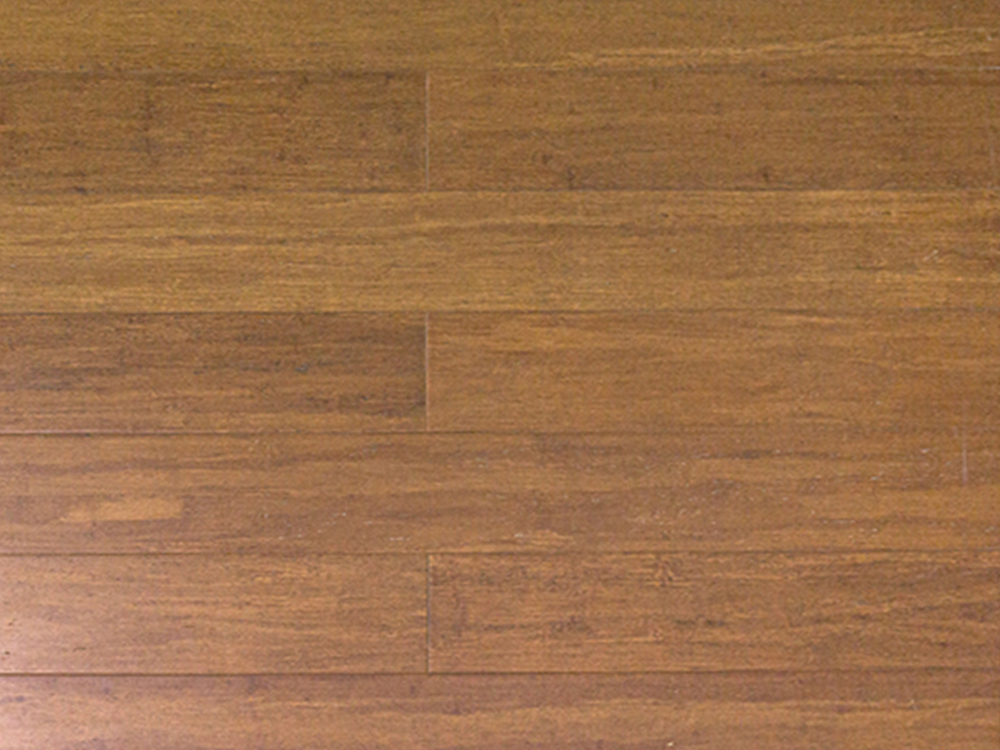
The stone-plastic composite construction delivers a combination of performance characteristics that few other flooring categories can match at the same price point.
100% Waterproof: Because the SPC core contains no wood fibers, it does not absorb moisture. Water sitting on the surface cannot penetrate and cause the swelling or warping that affects laminate and hardwood floors. This makes SPC a reliable choice for kitchens, bathrooms, laundry rooms, and basements.
Exceptional Dimensional Stability: The limestone content in the core resists expansion and contraction under temperature fluctuations. Unlike WPC or LVP products, SPC flooring generally does not require lengthy acclimatization before installation, saving time on the job site.
Superior Dent and Impact Resistance: The dense core withstands heavy furniture loads, rolling equipment, and high foot traffic without permanent indentation. This is why SPC flooring originated as a commercial product and continues to be specified for retail stores, hotel lobbies, offices, and healthcare facilities.
Easy Installation: Most SPC planks use a click-lock system that allows for floating installation over almost any existing hard surface. No adhesive is required in most applications, which reduces installation cost and turnaround time significantly.
Certified Eco-Friendly: High-quality SPC flooring is produced without formaldehyde and with low VOC emissions. Products that carry FloorScore and GreenGuard certifications have been independently verified for indoor air quality standards — an important consideration for residential projects and healthcare environments alike. Our SPC flooring collection meets CE, FloorScore, and GreenGuard certification requirements, exceeding EU environmental standards.
These three product types are often confused because they share a similar appearance and installation method. The differences lie in the core construction, which affects performance, price, and the right use case for each.
| Feature | SPC (Stone Plastic Composite) | WPC (Wood Plastic Composite) | LVP (Luxury Vinyl Plank) |
|---|---|---|---|
| Core Material | Limestone + PVC | Wood fiber + PVC | Flexible PVC |
| Rigidity | Very High | Medium-High | Low-Medium |
| Waterproof | Yes (fully) | Partially (core can absorb) | Water-resistant only |
| Dent Resistance | Excellent | Good | Fair |
| Underfoot Comfort | Medium (add underlayment) | High (softer core) | Medium |
| Temperature Stability | Excellent | Good | Fair |
| Price Range | Mid-range | Mid to high | Budget to mid |
| Best For | High traffic, wet areas, commercial | Residential comfort, quiet spaces | Light residential use |
In short: if your priority is durability, waterproofing, and stability in demanding environments, SPC is the clear leader. If underfoot softness and acoustic comfort matter more than maximum rigidity, WPC flooring is a reasonable alternative. Standard LVP suits lighter residential applications on a tighter budget.
One of the most compelling aspects of stone SPC is its versatility. Because it is fully waterproof and dimensionally stable, it can be installed in locations where other flooring types would struggle or fail entirely.
SPC is an ideal choice for kitchens and bathrooms, where spills and humidity are constant factors. It performs equally well in basements, where seasonal moisture levels fluctuate. Living rooms and hallways benefit from the product's scratch resistance, particularly in households with pets and children. Bedrooms can also use SPC effectively, especially when a pre-attached underlayment is included for added comfort.
SPC flooring originally entered the market as a commercial product, and it remains widely specified for good reason. Retail stores, restaurants, hotel lobbies, offices, clinics, and educational facilities all benefit from its ability to handle continuous heavy foot traffic without visible wear. The combination of a thick wear layer and a rigid limestone core means the floor maintains its appearance and structural integrity over many years of intensive use — an important factor for businesses calculating the total cost of ownership of a flooring investment.
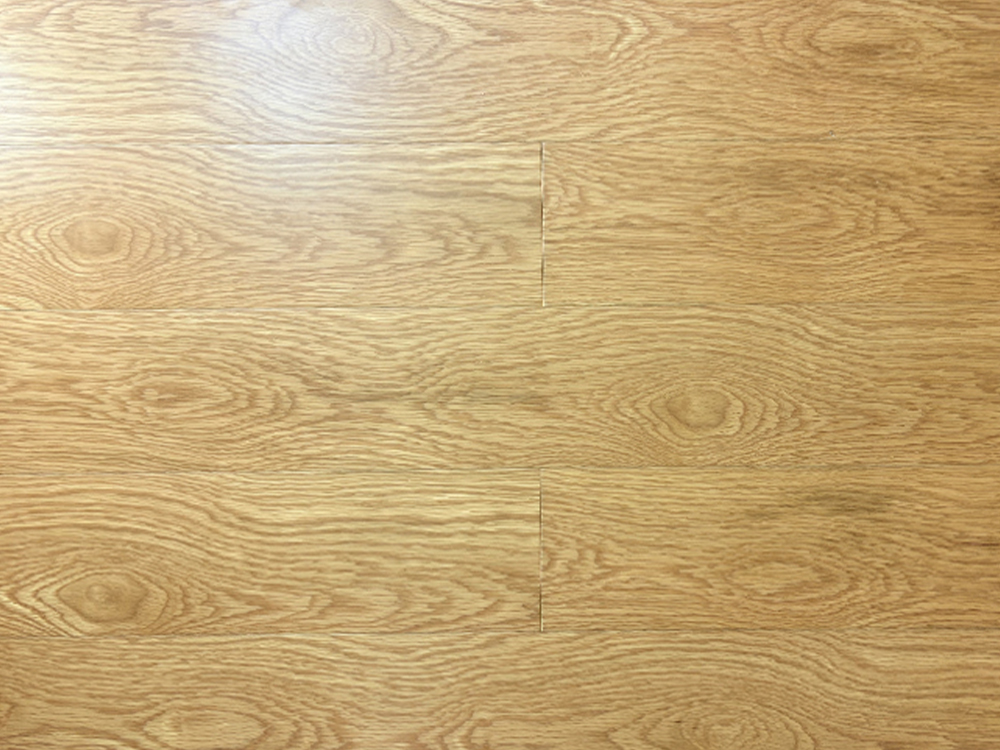
Not all SPC products are manufactured to the same standard. Here are the key specifications and quality indicators to verify before purchasing.
Wear Layer Thickness: For residential use, a minimum of 6 mil is acceptable, but 12 mil or above is recommended for active households. Commercial installations should specify 20 mil or higher to ensure long-term performance under heavy traffic.
Total Plank Thickness: Thicker planks (6 mm and above) provide better rigidity and are more forgiving over minor subfloor imperfections. This reduces site preparation costs, especially in renovation projects.
Third-Party Certifications: Look for independent verification of environmental and quality claims. CE certification confirms the product meets EU safety and performance standards. FloorScore and GreenGuard certifications confirm low VOC emissions and suitability for indoor environments, including schools and healthcare settings.
Factory Credentials: Sourcing directly from a verified manufacturer with modern production lines and documented quality control processes reduces risk significantly. Factory-direct supply also eliminates intermediary markups, making it possible to access premium-specification products at competitive pricing.
For buyers looking for a trusted, certified source, our SPC flooring collection is produced at our 120,000 m² facility with internationally advanced production lines, capacity exceeding 6 million m² annually, and full CE, FloorScore, and GreenGuard certification on all product lines.


 皖公网安备34182102000331号
 Indoor Plastic Wood Flooring Manufacturers

 English
 Español
 Deutsch