

 English
 Español
 Deutsch



Moisture Behavior of Natural Veneer Layers on SPC Substrates
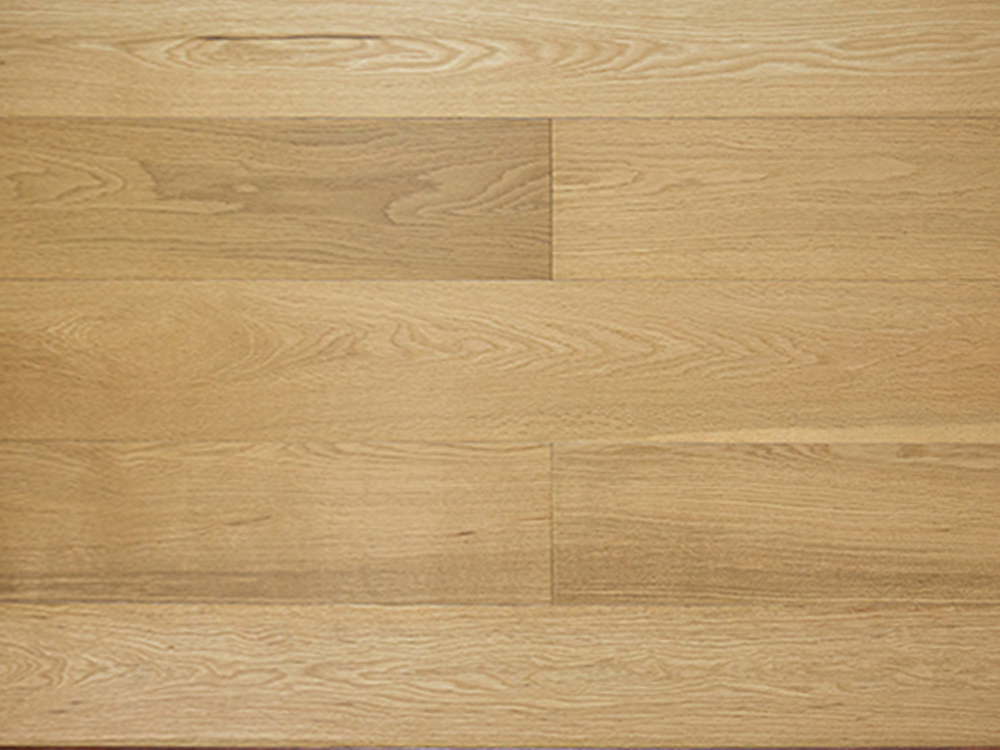
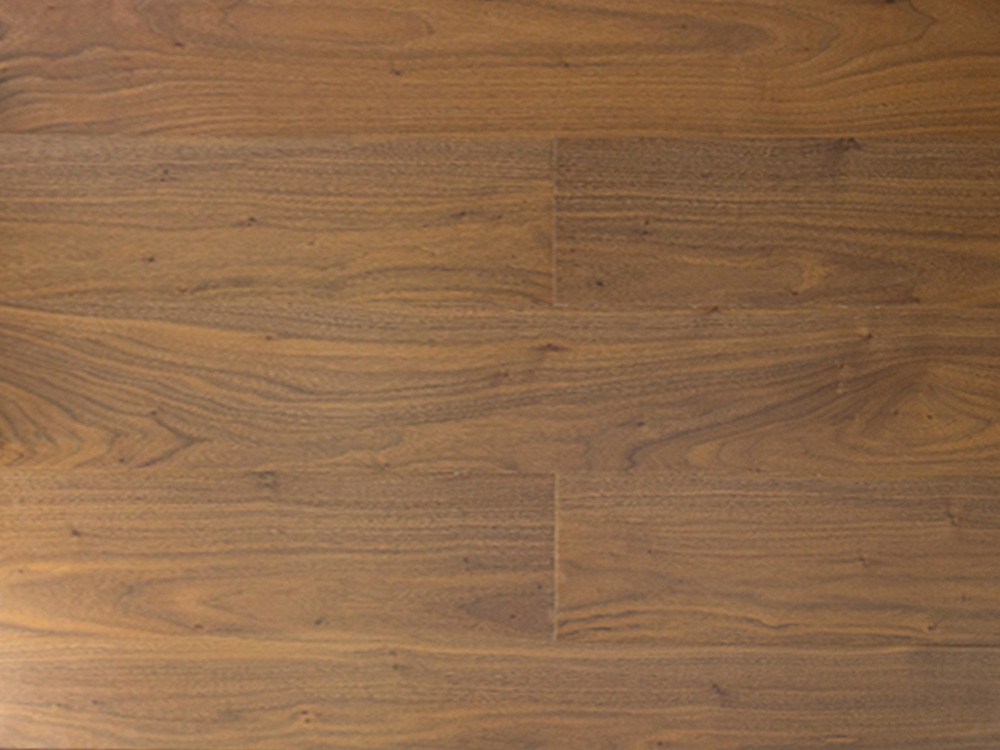
Solid wood veneer SPC flooring combines organic and inorganic materials, making moisture management a critical performance factor. Although the SPC core itself is dimensionally stable, the natural veneer can still react to humidity changes. High-end manufacturers solve this by using vacuum-dried veneers and applying multi-layer UV sealants to minimize vapor exchange. In humid regions such as coastal Australia or Southeast US, selecting veneers with lower natural expansion coefficients—like oak or walnut—helps maintain surface stability and reduces the risk of slight cupping or micro-cracks on the veneer surface.
Moisture-Sensitive Veneer Characteristics
- Species with wider grain patterns expand more visibly under moisture exposure.
- Thicker veneer layers require more intensive sealing to maintain long-term stability.
- UV-cured top coatings reduce surface permeability but must be paired with sealed veneer backs.
- Stable SPC cores can mask movement but cannot eliminate surface-level wood reactions.
Color Uniformity and Grain Matching in Natural Veneer Production
One challenge in solid wood veneer SPC flooring is achieving consistent appearance across large batch orders. Because each veneer slice varies naturally in grain density and mineral streaking, manufacturers targeting premium markets like Germany and France often sort veneers by shade groups before lamination. In addition, multi-pass staining systems allow adjustment of chromatic variations to maintain tone continuity even when using veneers sourced from multiple logs. This process is essential for large residential developments where visual uniformity impacts perceived quality.
Common Techniques for Matching Veneer Tones
- Batch color grading using spectrophotometry to reduce visible tone differences.
- Multi-layer staining, which allows precise control over warm or cool undertones.
- EIR (Embossed in Register) synchronization for veneer textures that align visual and tactile patterns.
- Special handling of knot-heavy veneers to avoid pattern distortion during pressing.
Bonding Technologies for Veneer-to-SPC Lamination
Laminating natural wood onto an SPC rigid core requires adhesives that maintain both flexibility and heat resistance. Because veneer is porous and SPC is non-porous, adhesive penetration and mechanical grip differ greatly between the two materials. Leading manufacturers use hot-melt PUR adhesives with strong crosslinking properties that prevent delamination under thermal expansion cycles. This is particularly important for markets with common underfloor heating systems. Additionally, pressure calibration during hot pressing determines how well the veneer remains flush with the SPC substrate, avoiding trapped air pockets.
Key Factors Affecting Lamination Strength
- Adhesive viscosity, which affects how deeply the glue bonds into the veneer pores.
- Pressing temperature and duration, particularly for thicker veneers requiring longer curing.
- Pre-treatment of veneer backs to ensure uniform adhesive response.
- SPC core density, where higher density increases bonding stability.
Surface Protection Strategies for Real-Wood Veneer Flooring
Unlike printed SPC surfaces, a natural veneer requires more advanced protection to withstand abrasion, UV exposure, and staining. Manufacturers supplying to the United States and UK often use hybrid coatings combining ceramic particles with UV-cured resins. These coatings preserve the wood’s natural look while significantly improving surface wear resistance. For commercial hospitality settings, additional matte polyurethane layers are applied to reduce gloss inconsistencies and prevent visible wear paths in high-traffic zones.
Surface Enhancement Options
- Ceramic-reinforced UV coatings for scratch protection.
- Deep-matte finishes that maintain natural wood aesthetics.
- Hydrophobic treatments to slow moisture absorption in wet-prone areas.
- Anti-yellowing additives that protect light-colored species from UV-induced darkening.
Performance Differences Between Veneer Thickness Options
The thickness of the natural wood veneer dramatically affects both performance and aesthetic depth. Ultra-thin veneers (0.3–0.5mm) offer consistent color and high pressing stability but provide limited texture depth. Medium-thickness veneers (0.6–1.2mm) allow deeper brushing, wire-drawing, or hand-scraping effects, making them popular for rustic-style interiors. However, thicker veneers require precise moisture balancing to prevent stress cracking, especially when transported across climates such as from China to Europe.
Veneer Thickness Comparison
| Veneer Thickness | Aesthetic Depth | Surface Texture Options | Stability Considerations |
| 0.3–0.5 mm | Low | Limited | Very stable but less “real wood” feel |
| 0.6–1.2 mm | Medium | Moderate to rich | Requires good moisture sealing |
| 1.2 mm and above | High | Extensive hand-crafted textures | More prone to movement; needs advanced stabilization |
Thermal Compatibility with Underfloor Heating Systems
Solid wood veneer SPC flooring performs well with underfloor heating when engineered correctly, but the veneer layer introduces thermal sensitivities absent in printed SPC designs. Veneer species with lower density transfer heat more efficiently, while dense species like hickory or maple can slightly reduce heating response time. Installers in colder regions such as the UK and Northern Europe often regulate heating ramp-up speeds to protect the natural veneer from shock-induced micro-cracking. Adhesive selection during veneer lamination also plays a role in ensuring long-term bonding strength under cyclical heat exposure.
Best Practices for Heated Floor Applications
- Limit surface temperature to 27°C or below to avoid veneer stress.
- Use programmable thermostats to maintain gentle heat transitions.
- Choose veneer species known for thermal stability, such as oak.
- Ensure subfloors are level to prevent pressure points that may compress veneer areas.


