

 English
 Español
 Deutsch










Design Continuity Through Transitional Detailing
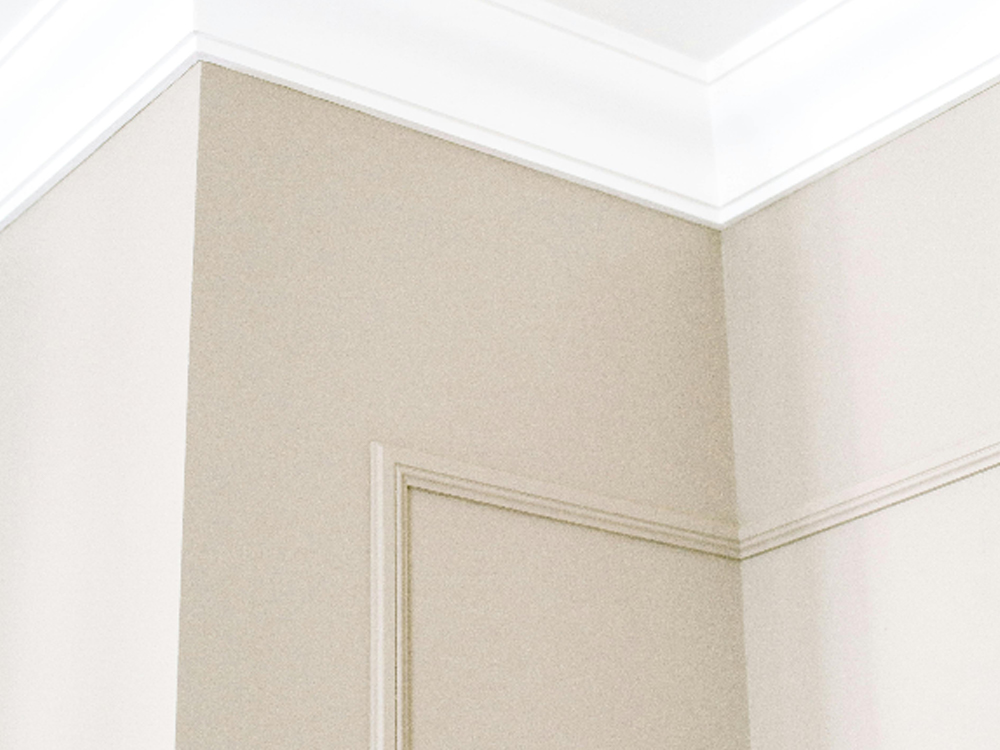
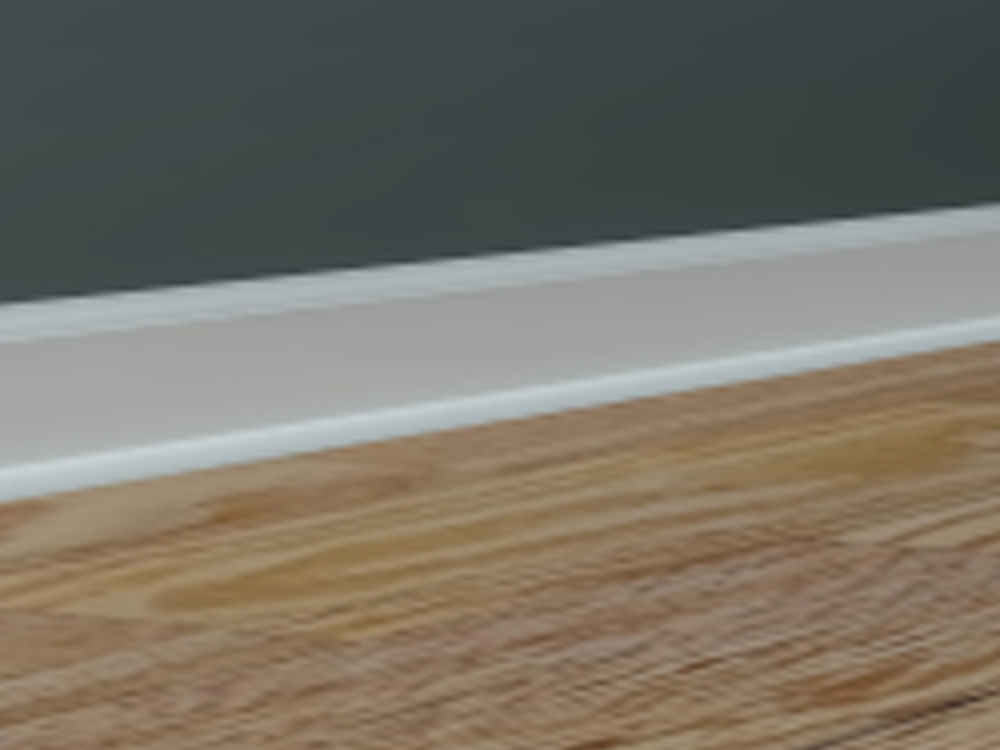
A Decorative Strip plays a critical role in visual alignment where flooring meets the wall, especially in interiors where materials, colors, or textures shift between surfaces. Instead of relying solely on paint lines or tile edges, designers use these elements to create a controlled boundary that visually organizes the room. By coordinating tone, sheen, and depth with the main flooring surface, the transition reads as intentional rather than abrupt, supporting calm, cohesive spatial flow.
Using Strip Profiles to Solve Uneven Transitions
Strip Profiles offer functional precision when floor and wall surfaces are not perfectly flush. Minor irregularities impact the way shadows fall along edges, which can disrupt the overall visual line of the room. Selecting profiles with the right height, radius, or bevel helps absorb tolerance variations and creates a clean, uninterrupted boundary. This approach is especially valuable in commercial installations where large spaces require consistent repetition of the same visual element.
Color, Texture and Depth as Tools for Visual Continuity
Matching Decorative Strip Profiles with adjacent surfaces requires more than basic color similarity. The micro-texture of the strip, its surface reflectivity, and the thickness of its visible edge all influence how the eye perceives continuity. Matte finishes tend to soften transitions, while semi-gloss edges introduce a sharper boundary line suitable for modern interiors. When the flooring has embossed textures, selecting a strip with calibrated surface detail prevents visual breaks and creates a smoother flow.
When Material Compatibility Improves the Visual Line
Different flooring materials expand and contract at varying rates, which can slightly shift alignment over time. Choosing Decorative Strip or Strip Profiles with compatible thermal and moisture behavior minimizes long-term gaps. This technical match directly supports visual continuity because it prevents the appearance of micro-separation, shadow gaps, or curling edges—issues that become more obvious in minimalist interiors where clean lines dominate.
Practical Techniques for Enhancing Floor-to-Wall Flow
- Select profiles with a shadow-mitigating edge when installing along textured walls to maintain a consistent transition line.
- Combine Decorative Strip Profiles with flooring planks that have similar grain direction or pattern rhythm to avoid visual interruption across corners and edges.
- Use color-matched reducers or T-moldings in open-plan spaces to unify long visual corridors and avoid patchy, segmented boundaries.
Comparing Profile Types for Visual Continuity
| Profile Type | Best Visual Effect | Application Insight |
| Quarter Round | Softens sharp intersections; adds gentle curvature | Works well when the wall texture is slightly uneven, helping maintain alignment. |
| Skirting Board | Creates a strong horizontal line for modern interiors | Useful for long hallways where visual continuity must be preserved over distance. |
| Reducer Strip | Smooths height changes without disrupting the visual path | Ideal for connecting flooring types with contrasting textures or thicknesses. |
Integrating Decorative Strip Profiles Into Complex Layouts
In rooms with multiple corners, niche cuts, or curved walls, the choice of Decorative Strip Profiles becomes even more important. Flexible PVC-based profiles allow bending without visible deformation, maintaining a continuous line around curves. For high-end projects, aluminum or engineered-wood profiles can be custom-mitered to follow geometric layouts precisely, preventing visual breaks at connection points and preserving the spatial rhythm of the room.
Through thoughtful material coordination, precise profile selection, and attention to installation geometry, Decorative Strip and Strip Profiles significantly enhance the visual continuity between floors and walls, helping the entire interior read as one coherent, intentional design.


