

AngL0306@outlook.com
Content
SPC flooring stands for Stone Plastic Composite — a next-generation rigid core vinyl flooring engineered by combining limestone powder, polyvinyl chloride (PVC) resin, and chemical stabilizers into an exceptionally dense, stable core. Also referred to as rigid core flooring or engineered vinyl flooring, SPC is manufactured in multiple bonded layers that together deliver superior performance in both residential and commercial environments.
The term "stone" in SPC flooring meaning refers directly to the use of natural calcium carbonate (limestone) as the primary filler in the core layer. This is what distinguishes SPC from standard luxury vinyl plank (LVP) or wood plastic composite (WPC) flooring — it is harder, denser, and dimensionally more stable across temperature fluctuations and moisture exposure.
Since around 2010, when manufacturers began reinforcing vinyl cores with rigid composite materials, SPC has rapidly become one of the fastest-growing categories in the global flooring market, favored by architects, contractors, and homeowners worldwide.
Understanding SPC flooring meaning requires examining how each layer contributes to the product's overall performance. A standard SPC flooring plank consists of four to five layers:
This layered composition is what gives SPC flooring its signature combination of realism, durability, and practicality — attributes that standard vinyl or laminate flooring cannot fully replicate.
A professional SPC flooring factory operates as a highly controlled manufacturing environment where raw materials are transformed into finished planks through a precise, multi-stage production process. Here is how a typical SPC flooring factory produces its product:
The process begins with the blending of calcium carbonate powder, PVC resin, plasticizers, and stabilizers in precise ratios. The formula varies by manufacturer, but the integrity of this step directly determines the density, flexibility, and stability of the final core. Reputable SPC flooring factories test all incoming raw materials before production begins.
The blended compound is fed into an industrial extruder, which heats the mixture and forces it through a die to form continuous rigid sheets. This extrusion process is central to SPC factory operations — it shapes the core at the required thickness and width while ensuring material homogeneity throughout each plank.
The decorative film and wear layer are bonded to the core using a hot press system. Continuous heat and pressure — applied for approximately 40 minutes — fuse the layers together permanently. After hot pressing, the bonded sheet is passed through a cooling system to stabilize its shape before further processing.
The bonded panels are conveyed through a UV coating line where multiple layers of UV-cured paint are applied by roller and instantly cured under ultraviolet lamps. This coating process is repeated twice to achieve the desired surface gloss and hardness, providing protection against scratches and UV light degradation.
Once cooled and cured, the panels are precision-cut to standard plank or tile dimensions. Automated milling machines then carve the interlocking click-lock profile into the edges, enabling tool-free floating floor installation. Dimensional accuracy at this stage is critical — deviations in thickness or locking profile can compromise installation integrity.
Every plank undergoes final inspection before packaging. Quality control teams check for surface defects including scratches, color inconsistencies, bubbles, delamination, and edge imperfections. Planks that do not meet specifications are rejected. Approved planks are packed, labeled, and loaded for distribution or export.
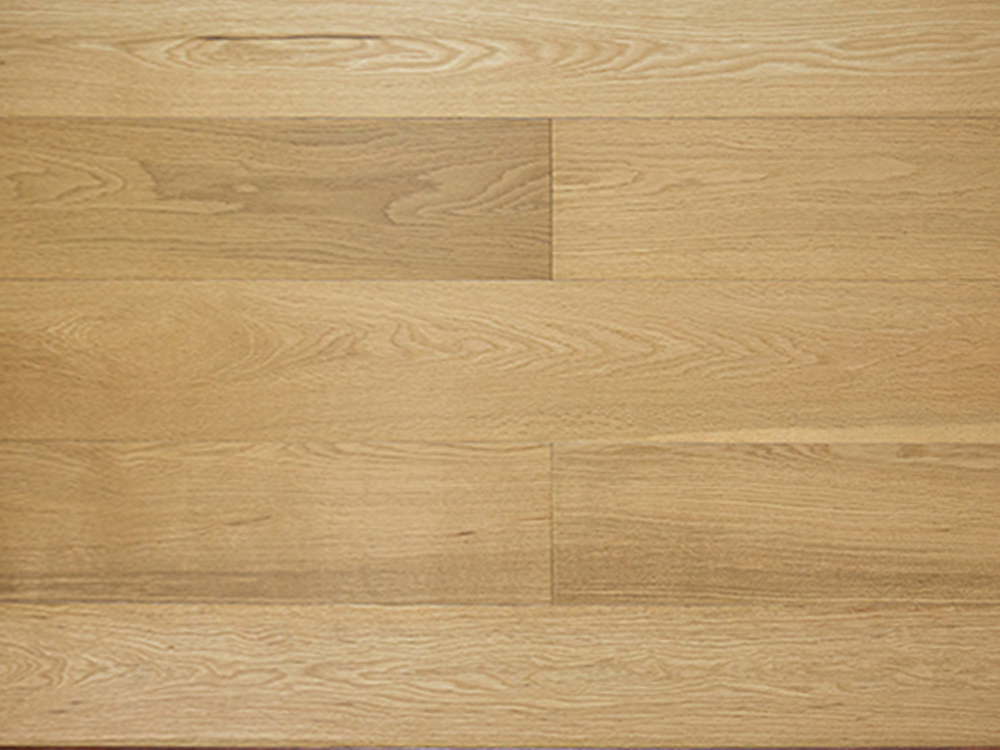
The widespread adoption of SPC flooring is driven by a distinct set of performance advantages over competing flooring categories:
| Feature | SPC Flooring | Standard LVP | Laminate |
|---|---|---|---|
| 100% Waterproof | Yes | Partial | No |
| Dimensional Stability | Excellent | Moderate | Poor |
| Typical Lifespan | 20–30 years | 10–20 years | 10–25 years |
| Average Cost (per sq ft) | $3.50 – $8+ | $2 – $5 | $1 – $5 |
| DIY Installation | Yes (click-lock) | Yes | Yes |
Not all SPC flooring factories operate at the same standard. When sourcing SPC flooring from a manufacturer — whether for wholesale distribution, OEM supply, or commercial projects — the following criteria are critical to evaluate:
A qualified SPC flooring factory should operate advanced extrusion and lamination lines capable of maintaining consistent core thickness and layer adhesion at scale. Automated production reduces human error and ensures uniform plank quality across large batches.
Leading SPC factories maintain dedicated laboratories to test raw materials and finished products for dimensional accuracy, abrasion resistance, slip resistance, and chemical emissions. Factories with in-house testing capability can respond faster to quality deviations and provide verifiable Technical Data Sheets (TDS) for each product line.
SPC flooring exported to North America and Europe must meet regulatory standards for indoor air quality. Key certifications to verify include FloorScore, Greenguard Gold, CE marking, and ISO 9001. These credentials confirm that the factory's products comply with low-VOC emission standards and international quality management protocols.
When requesting samples from an SPC flooring factory, pay close attention to core density rather than just total plank thickness. A heavier core of the same nominal thickness indicates greater material integrity. Some factories reduce core density while increasing wear layer thickness as a cost-cutting measure — this compromises long-term durability.
Responsible SPC flooring factories implement waste reduction programs, recycle production offcuts, and use formulations that minimize hazardous additives. Many SPC products qualify for LEED contribution points due to the use of recyclable content and low-emission materials.
SPC flooring is one of the most versatile flooring solutions available today. Its combination of waterproofing, durability, and aesthetic flexibility makes it suitable across a broad range of applications:
The commercial SPC flooring segment is currently among the fastest-growing categories in the global flooring industry, driven by increasing demand from developers, contractors, and facility managers who require a cost-effective alternative to stone, hardwood, and ceramic tile.
While SPC flooring offers significant advantages, informed buyers should also understand its limitations before making a purchase decision:
SPC flooring factories are concentrated primarily in China, which remains the world's largest producer and exporter of SPC flooring products. Chinese manufacturers supply major markets across North America, Europe, Oceania, Southeast Asia, and Africa, often operating as OEM suppliers to international flooring brands.
The expansion of automated SPC production lines — incorporating extrusion, hot pressing, UV coating, and click-lock profiling in a single integrated workflow — has enabled factories to deliver consistent, high-volume output while reducing per-unit manufacturing costs. This efficiency has made SPC flooring accessible at price points previously associated only with standard LVP, accelerating market penetration across budget-sensitive segments.
Looking ahead, SPC flooring factories are increasingly investing in R&D to develop thicker wear layers, improved acoustic underlayment systems, enhanced embossing-in-register (EIR) surface textures, and eco-friendly formulations — keeping SPC competitive as consumer expectations for both performance and sustainability continue to rise.


 皖公网安备34182102000331号
 Indoor Plastic Wood Flooring Manufacturers

 English
 Español
 Deutsch