

AngL0306@outlook.com
Content
SPC flooring — short for Stone Plastic Composite — is a rigid core vinyl flooring engineered from a blend of calcium carbonate (stone powder), polyvinyl chloride (PVC), and stabilizing additives. The result is a flooring material that is 100% waterproof, dimensionally stable, and significantly more resistant to impact and indentation than traditional luxury vinyl tile (LVT). These characteristics have made SPC one of the fastest-growing flooring categories in both residential and commercial markets globally.
What separates a good SPC product from a great one is rarely the raw material formula alone — it is the precision and consistency of the production line that transforms those materials into a finished plank. The extrusion process, calendaring pressure, embossing registration, and lamination quality all directly affect the floor's flatness, surface texture accuracy, wear layer integrity, and locking system tolerability. A brand may specify excellent materials on paper, but if the production line lacks the calibration and quality control to process them consistently, the final product will underperform.
For B2B buyers — distributors, project developers, and flooring importers — understanding the relationship between brand reputation and production line capability is essential. It determines not just the quality of a single order, but the reliability of supply across repeat purchasing cycles.
A high-capacity SPC floor production line is a continuous, multi-stage manufacturing system. Each stage must be precisely controlled to ensure the output meets dimensional tolerances and structural performance standards. The main stages are as follows:
Raw materials — typically PVC resin, calcium carbonate at ratios of 50–70% by weight, plasticizers, heat stabilizers, and processing aids — are measured and blended in high-speed mixers. The consistency of this mixing stage determines the homogeneity of the core. Uneven distribution of stone powder results in weak spots or surface irregularities in the finished plank. Leading production lines use automated dosing systems and inline density monitoring to ensure compound uniformity before any material reaches the extruder.
The blended compound is fed into a twin-screw extruder, where it is melted under heat and pressure and pushed through a die to form a continuous flat sheet — the SPC core. This sheet is then passed through a series of calendaring rollers that compress and flatten it to an exact thickness, typically between 3.5 mm and 6 mm for the core layer. Roller temperature, pressure, and line speed must be maintained within tight tolerances; even minor deviations can cause core thickness variation, affecting the fit of the click-lock system.
A high-resolution decorative film — pre-printed with wood grain, stone, or abstract patterns — is laminated onto the core surface. An embossing roller then presses a textured pattern into the surface to match the printed design. The accuracy of this registration, known as emboss-in-register (EIR), is a key quality differentiator between production lines. Poorly registered embossing results in a texture that does not match the printed grain, making the floor appear artificial at close range.
A transparent wear layer — typically made of PVC or polyurethane — is laminated over the decorative film under heat and pressure. Wear layer thickness, measured in mils (thousandths of an inch), directly determines the floor's scratch resistance and surface durability. Residential applications typically use 6–12 mil wear layers; commercial-grade products use 20 mil or above. UV-cured topcoat treatments are applied at this stage to enhance gloss control and surface hardness.
The laminated sheet is cut into plank dimensions and routed along the edges to create the click-lock profile. An acoustic backing layer — commonly IXPE foam or cork — is then attached to the bottom of the plank. Finally, planks pass through a dimensional inspection system where length, width, thickness, and squareness are verified before packaging. A well-run production line at this stage will reject planks that fall outside tolerance rather than passing them on for manual rework.
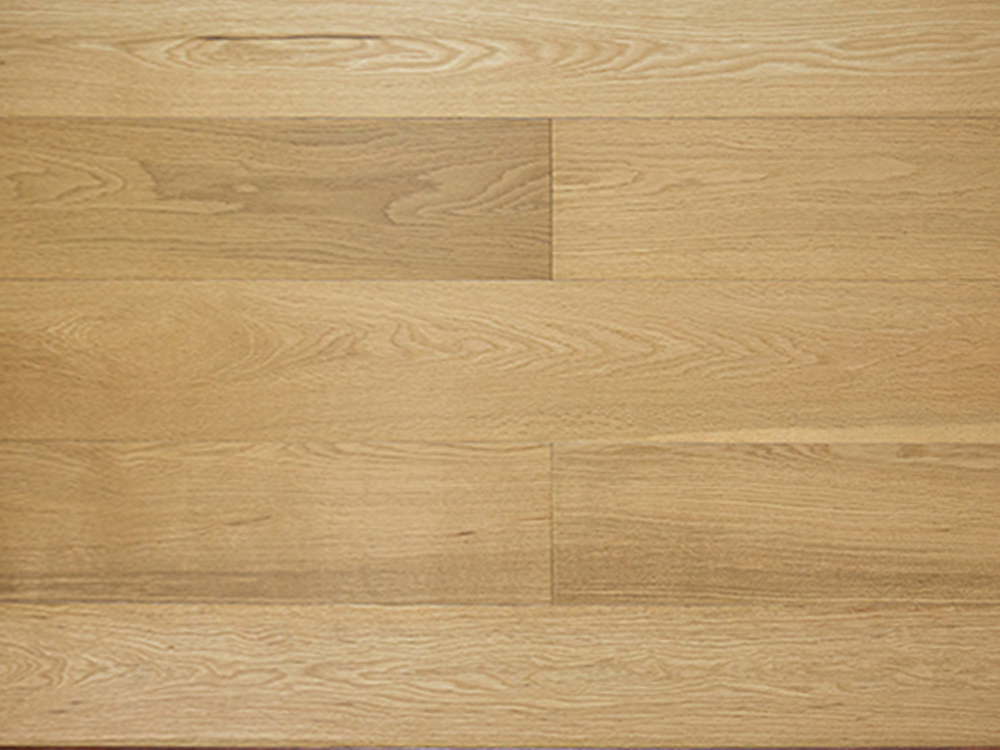
The global SPC flooring market includes brands that operate their own production lines, as well as brands that source from OEM manufacturers. Both models can deliver excellent products, but the buyer's visibility into the supply chain differs significantly. Below is a comparative overview of leading SPC flooring brands by market position and production approach.
| Brand | Country of Origin | Production Model | Key SPC Lines | Market Focus |
|---|---|---|---|---|
| Shaw Floors | USA | Integrated / OEM | Floorté, COREtec (via USFloors) | Residential & Commercial |
| Mohawk Industries | USA | Integrated | RevWood, SolidTech, IVC SPC | Residential & Commercial |
| Armstrong Flooring | USA | Integrated / OEM | Rigid Core Vantage, Luxe Plank | Residential |
| Mannington | USA | Integrated / OEM | ADURA Max, ADURA Rigid | Residential & Light Commercial |
| Karndean | UK | OEM (Asia-sourced) | Korlok, Van Gogh Rigid Core | Premium Residential |
| CFL Flooring | China | Integrated (factory-direct) | NuCore, private label | B2B / Wholesale |
Shaw Floors, a subsidiary of Berkshire Hathaway and one of the world's largest flooring manufacturers, offers one of the most comprehensive SPC portfolios in the North American market. Its Floorté line provides a wide range of designs and thickness options suitable for both residential and commercial projects, with a minimum core thickness of 5 mm across most SKUs.
Mohawk Industries, founded in 1878 and headquartered in Calhoun, Georgia, is the largest flooring manufacturer in the world by revenue. Its SPC offerings span multiple sub-brands including IVC Group and SolidTech, giving buyers access to a wide range of price points and performance specifications within a single corporate supply chain.
Mannington, founded in 1915, is among the oldest flooring manufacturers still operating today. Its ADURA Max SPC line offers over 175 designs and is particularly well regarded for its dimensional stability and ease of installation in both residential renovation and light commercial applications.
Karndean occupies a premium market position, with products designed to replicate high-end natural materials with above-average fidelity. Its rigid core SPC collections use cork backing for improved underfoot comfort and acoustic performance, making them popular in luxury residential applications.
When comparing SPC flooring brands for procurement purposes, the following technical and commercial criteria should be evaluated systematically:
Total plank thickness typically ranges from 4 mm to 8 mm, with the SPC core making up 3–6 mm of that total. Thicker cores provide greater rigidity and better spanning ability over uneven subfloors. Density, measured in kg/m³, affects both weight and acoustic performance. Higher-density cores tend to feel more solid underfoot and are better suited to commercial environments with sustained foot traffic.
This is one of the most commercially significant specifications. A 6 mil wear layer is entry-level residential; 12 mil suits active households with pets and children; 20 mil and above is the threshold for genuine commercial durability. Brands that publish wear layer thickness as a primary specification are generally more transparent about product performance than those that do not.
The click-lock profile is machined from the SPC core itself. Its tolerance — typically measured in hundredths of a millimeter — determines how tightly the planks connect and how well the joint resists vertical displacement under load. Premium brands license proven locking systems from established profile developers and maintain consistent routing tolerances across production runs. Inferior locking systems result in visible gaps, joint creaking, and edge chipping over time.
Most SPC brands offer products with either IXPE foam, cork, or no backing at all. IXPE foam (cross-linked polyethylene foam) provides thermal insulation and light acoustic dampening and is the most common backing in mid-range and premium products. Cork provides superior acoustic absorption and a warmer underfoot feel but adds cost and is more commonly found in premium-tier brands. Products sold without any backing are intended for installation over existing underlayment.
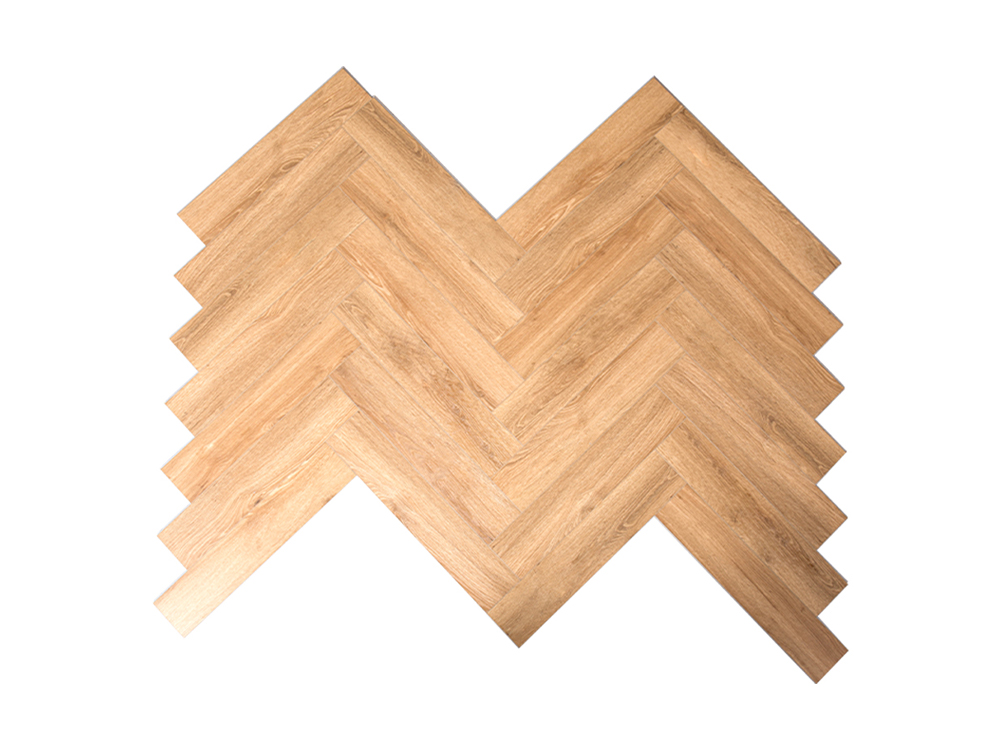
The depth of a brand's design library reflects the sophistication of its production line's printing and embossing capabilities. Brands with EIR (emboss-in-register) technology offer the most realistic surface textures. Plank format options — including wide planks (9" and above), herringbone cuts, and large-format tiles — require different tooling and profiling setups, and their availability indicates production line versatility.
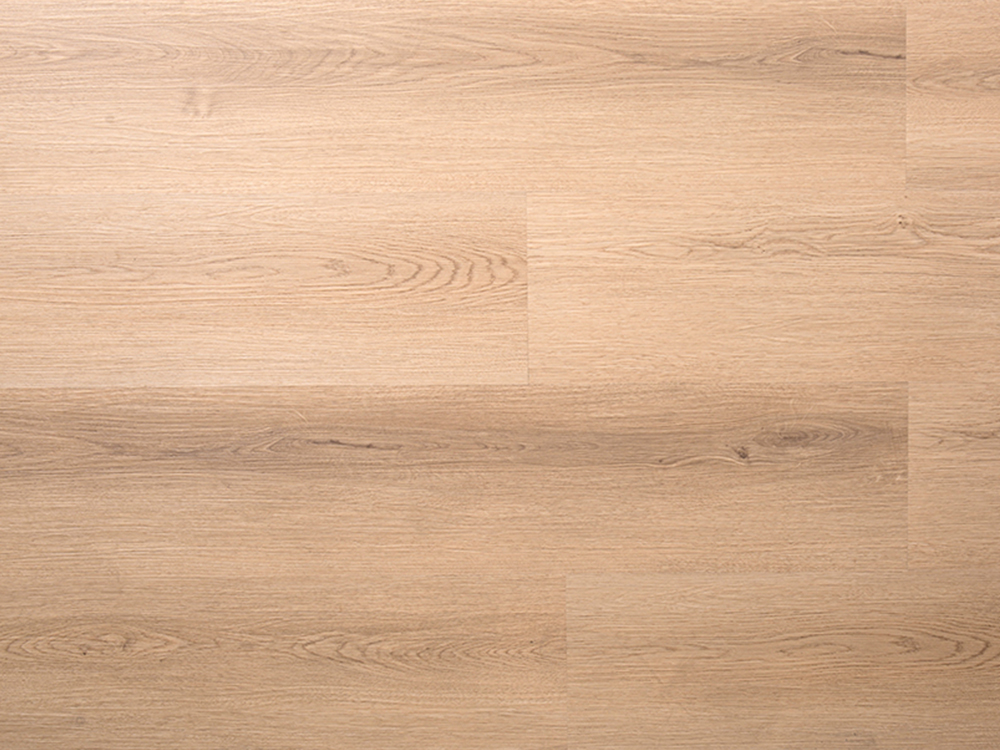
For procurement teams and project developers, aligning brand selection with production line standards reduces risk and improves long-term supply chain predictability. The following questions provide a practical framework for evaluation:
Visiting a manufacturer's production facility — or requesting a verified third-party audit report — is the most reliable way to assess production line capability before committing to a high-volume purchase. Many established brands will accommodate factory visits for qualified B2B clients.
Certifications serve as third-party verification of a brand's production quality, environmental claims, and product safety. The most relevant certifications for SPC flooring procurement are:
A brand that holds multiple certifications across emissions, quality management, and product safety provides a stronger procurement baseline than one relying on self-declared specifications alone. When evaluating certification claims, always request copies of the actual certificates — not just logo references on marketing materials — and verify that the certificates are current and issued for the specific product lines being sourced.
The best SPC flooring brands are those that invest in both production line technology and the certification infrastructure to verify their own output. For buyers, that combination is the most reliable signal of a supplier worth building a long-term relationship with.


 皖公网安备34182102000331号
 Indoor Plastic Wood Flooring Manufacturers

 English
 Español
 Deutsch