

AngL0306@outlook.com
Content
Luxury Vinyl Tile (LVT) flooring has emerged as a versatile alternative to traditional hardwood and ceramic flooring. Known for its durability, design flexibility, and cost-effectiveness, LVT combines the aesthetic appeal of natural materials with practical performance benefits. As homeowners and commercial designers increasingly seek high-quality, low-maintenance flooring options, LVT has gained attention as a potential replacement for conventional flooring types.
Unlike standard vinyl, LVT incorporates multiple layers, including a wear layer, photographic design layer, and backing, which collectively enhance its resilience, appearance, and stability. This article explores whether LVT can effectively substitute hardwood and ceramic in various applications while delivering superior functionality.
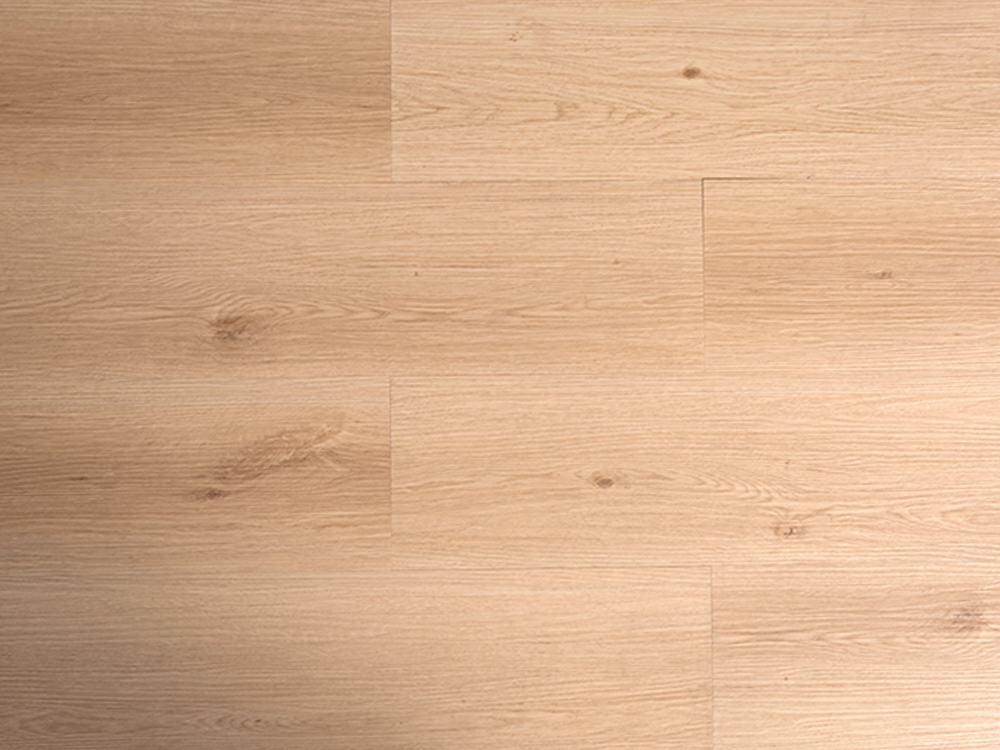
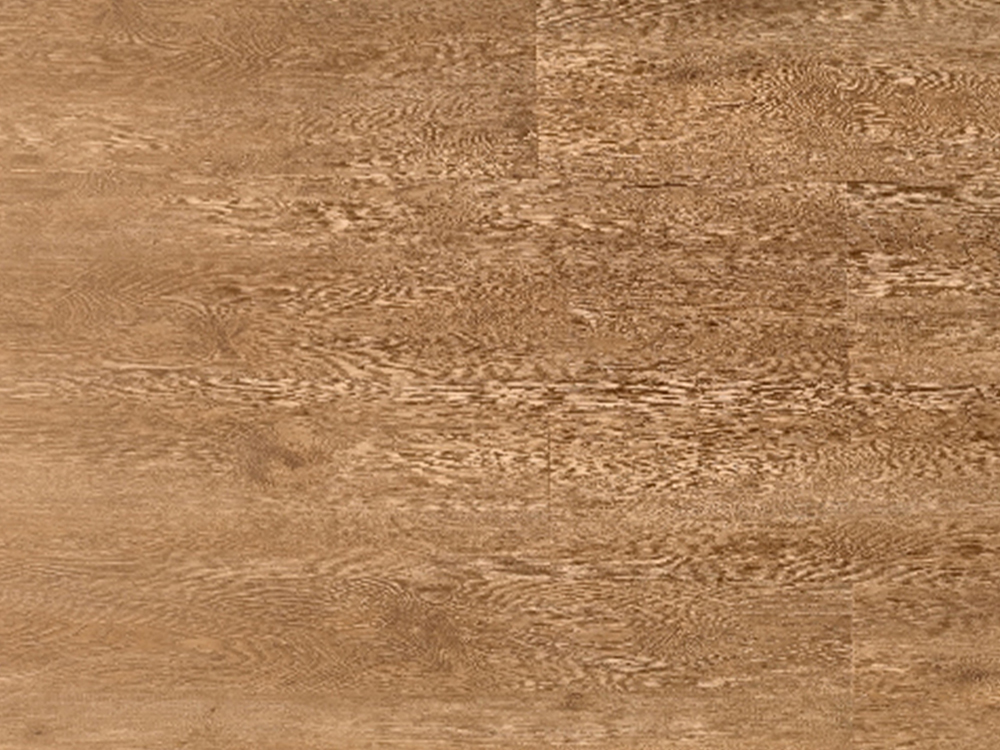
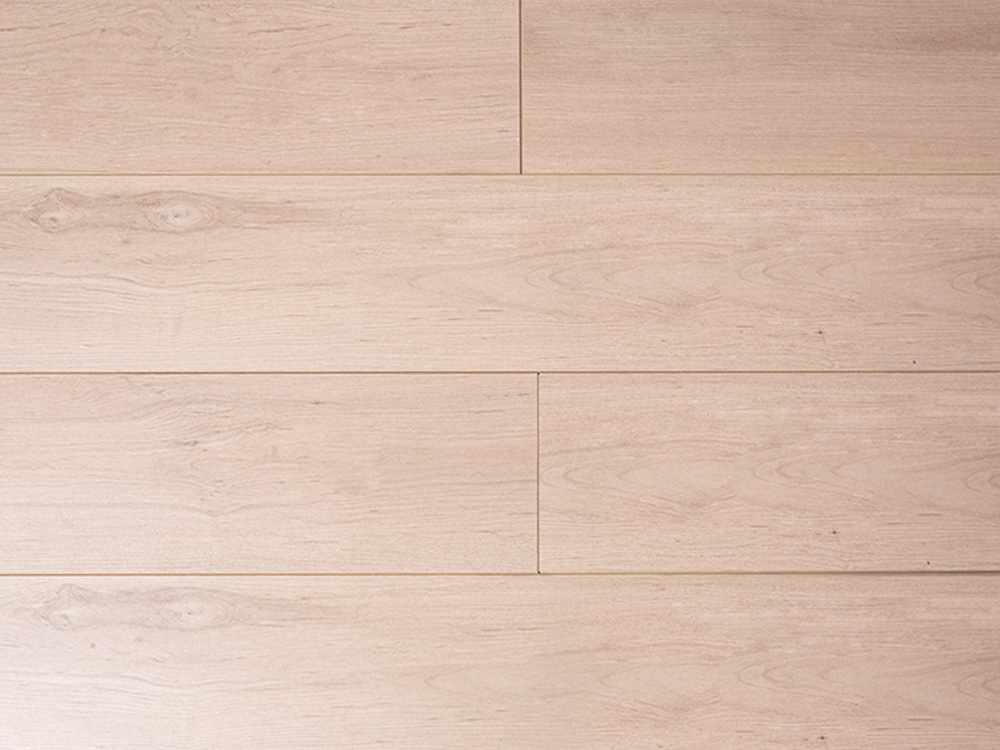
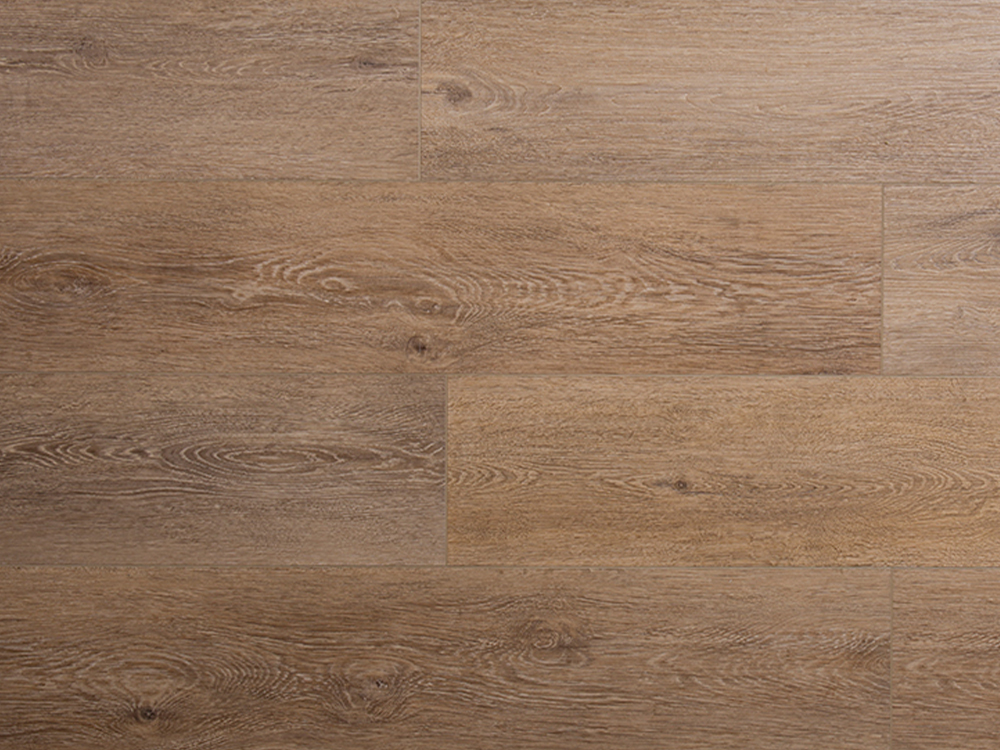
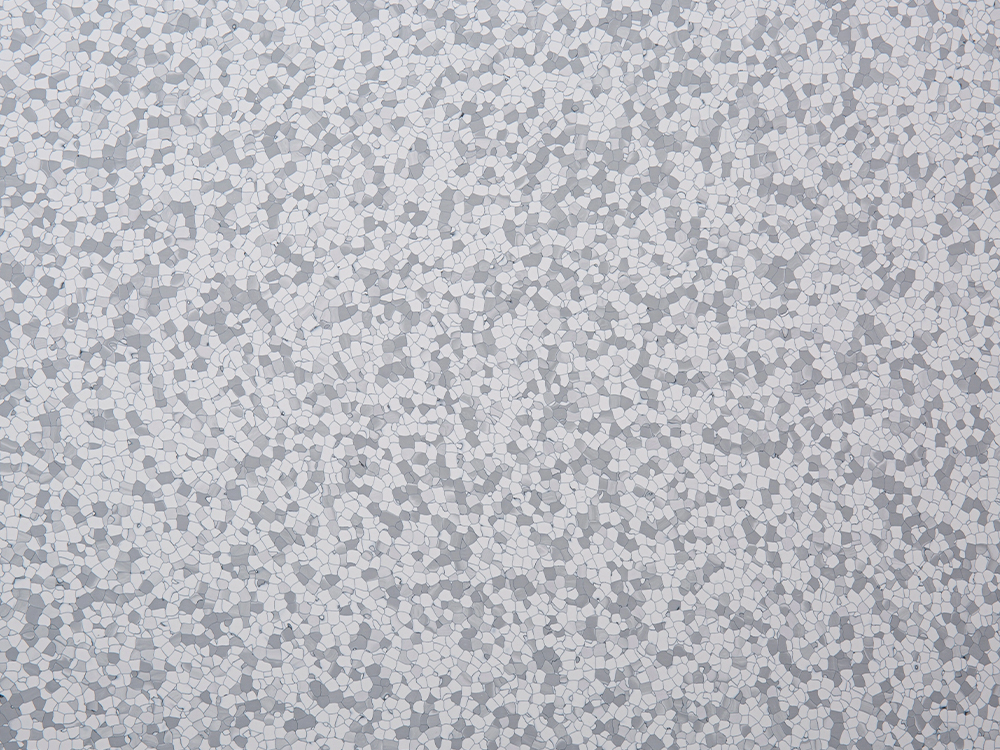
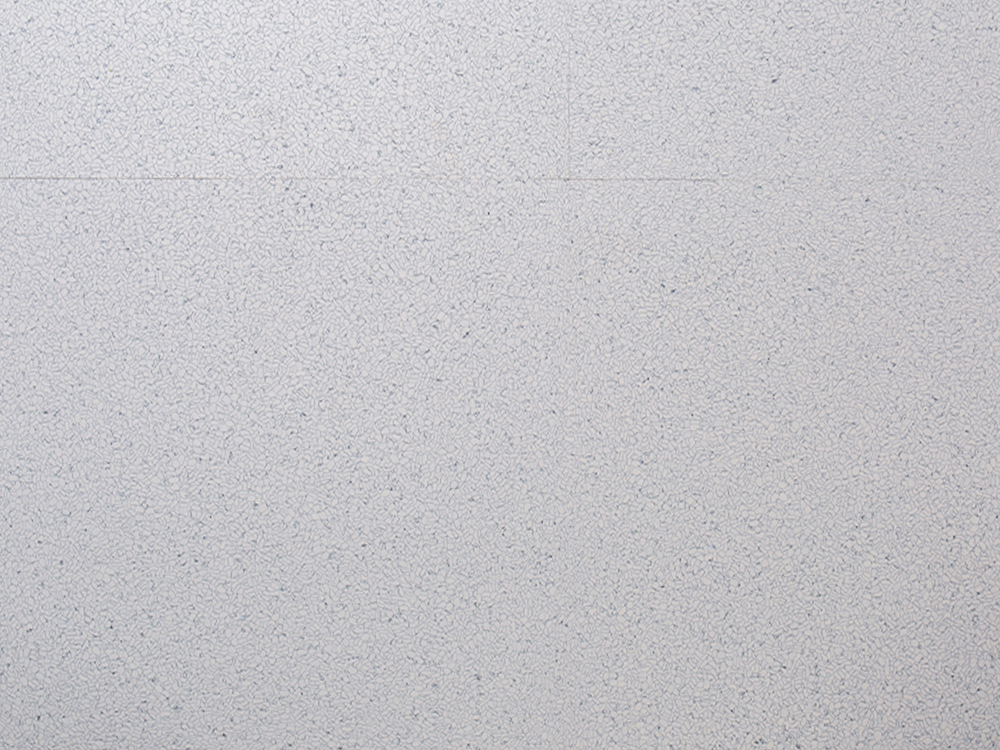
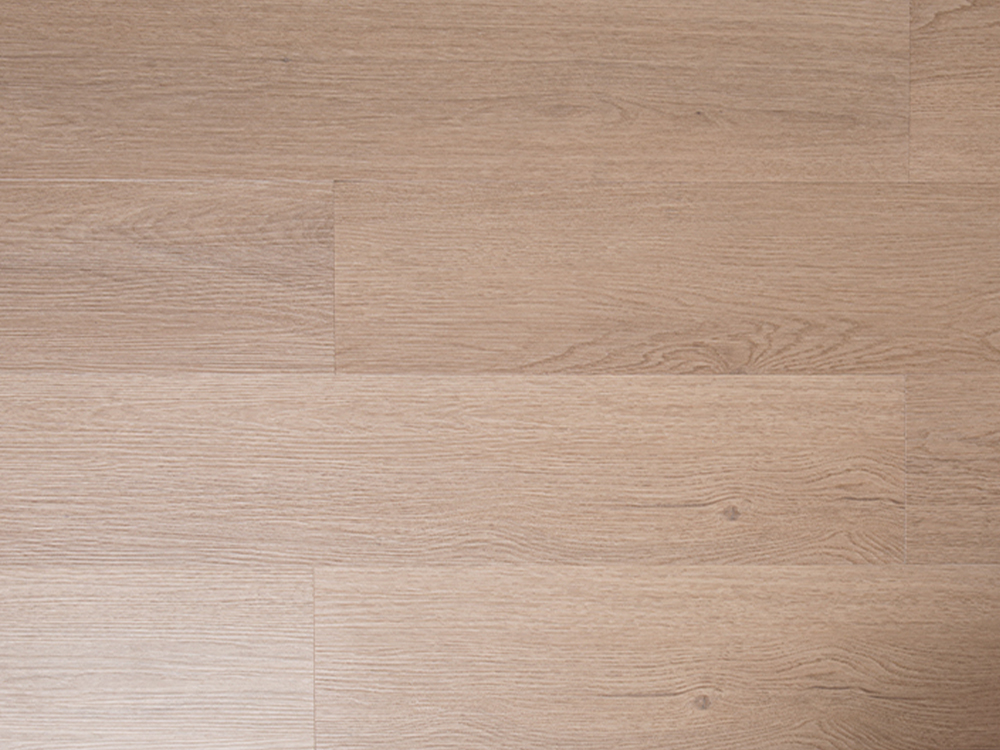
One of LVT’s strongest advantages is its ability to mimic the appearance of hardwood, stone, and ceramic tiles. Advanced printing and embossing techniques replicate natural textures and patterns, allowing for high-quality visuals without the cost and maintenance associated with real materials.
LVT flooring comes in a variety of colors, plank sizes, and finishes, enabling designers to create unique interior aesthetics. From traditional wood grains to contemporary abstract patterns, LVT provides a wide spectrum of design possibilities suitable for residential and commercial projects.
Unlike hardwood that requires precise alignment or ceramic tiles with extensive grouting, LVT offers flexible installation patterns, including click-lock, glue-down, and loose-lay methods. These options reduce installation time, cost, and labor while allowing creative layouts.
LVT flooring is engineered to withstand heavy traffic, moisture, and impact, which makes it suitable for a variety of environments where traditional hardwood or ceramic might face challenges.
Unlike hardwood, which is vulnerable to water damage, or ceramic, which can crack under temperature fluctuations, LVT offers water-resistant and waterproof options. This makes it ideal for bathrooms, kitchens, and commercial spaces prone to moisture exposure.
The wear layer of LVT protects against scratches, dents, and stains, ensuring long-lasting appearance. In high-traffic areas or homes with pets and children, LVT maintains its visual integrity far longer than traditional hardwood and reduces the need for refinishing.
LVT provides better underfoot comfort and sound absorption compared to ceramic tiles, which are hard and noisy. With the addition of underlayment, LVT can reduce noise transmission, making it a preferred choice for multi-story residential or office buildings.
Maintenance is a key consideration when choosing flooring. LVT requires minimal upkeep compared to hardwood, which needs refinishing, or ceramic, which requires regular grout cleaning.
From a cost perspective, LVT offers significant advantages. It provides the look and feel of premium materials at a fraction of the cost while reducing installation labor and maintenance expenses.
| Feature | Hardwood | Ceramic | LVT Flooring |
| Material Cost | High | Medium | Medium-Low |
| Installation | Complex, slow | Labor-intensive | Quick, flexible |
| Maintenance | High, refinishing | Medium, grout cleaning | Low, easy cleaning |
| Durability | Moderate to high | High but brittle | High, flexible |
LVT flooring suits a wide range of environments, including homes, offices, retail stores, and hospitality spaces. Its adaptability allows it to meet aesthetic and functional requirements without compromising on durability or comfort.
In residential applications, LVT is ideal for kitchens, bathrooms, and living areas. Its water resistance, ease of cleaning, and realistic appearance make it a practical choice for families and high-traffic areas.
For commercial spaces, LVT provides durability under heavy foot traffic, low maintenance, and aesthetic versatility. Offices, restaurants, and retail environments benefit from LVT’s combination of cost-effectiveness and visual appeal.
Luxury Vinyl Tile (LVT) flooring offers a compelling alternative to traditional hardwood and ceramic. Its durability, water resistance, ease of maintenance, and design versatility allow it to meet or exceed many performance criteria of conventional materials. While hardwood maintains a premium aesthetic and ceramic excels in extreme durability, LVT provides a balanced solution that combines beauty, practicality, and cost-effectiveness.
Considering current trends in residential and commercial design, LVT flooring has the potential to replace traditional flooring options in many applications, offering a modern, sustainable, and versatile choice for diverse interior environments.


 皖公网安备34182102000331号
 Indoor Plastic Wood Flooring Manufacturers

 English
 Español
 Deutsch